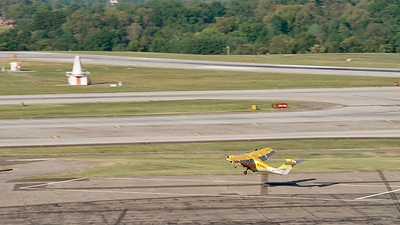
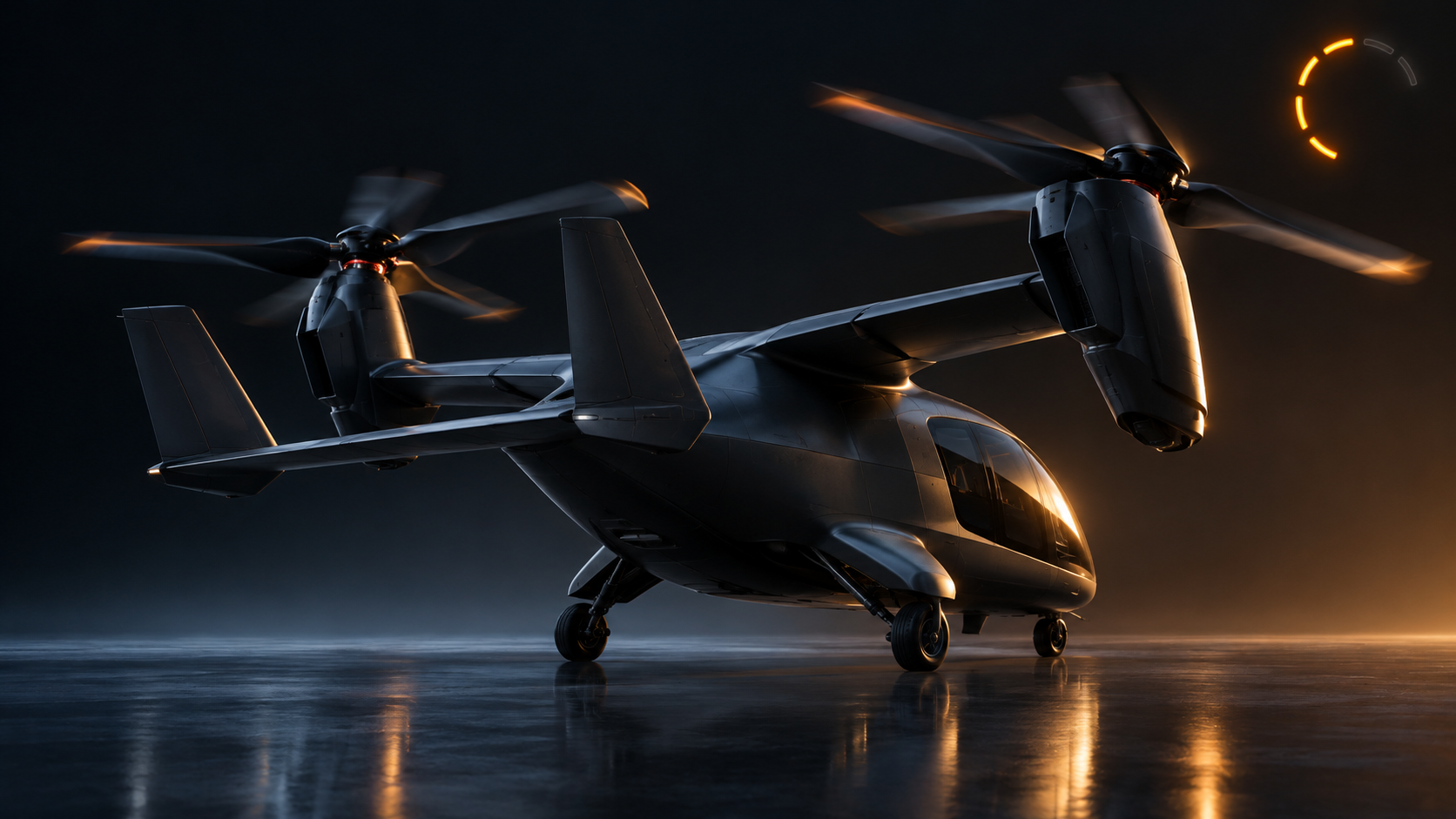
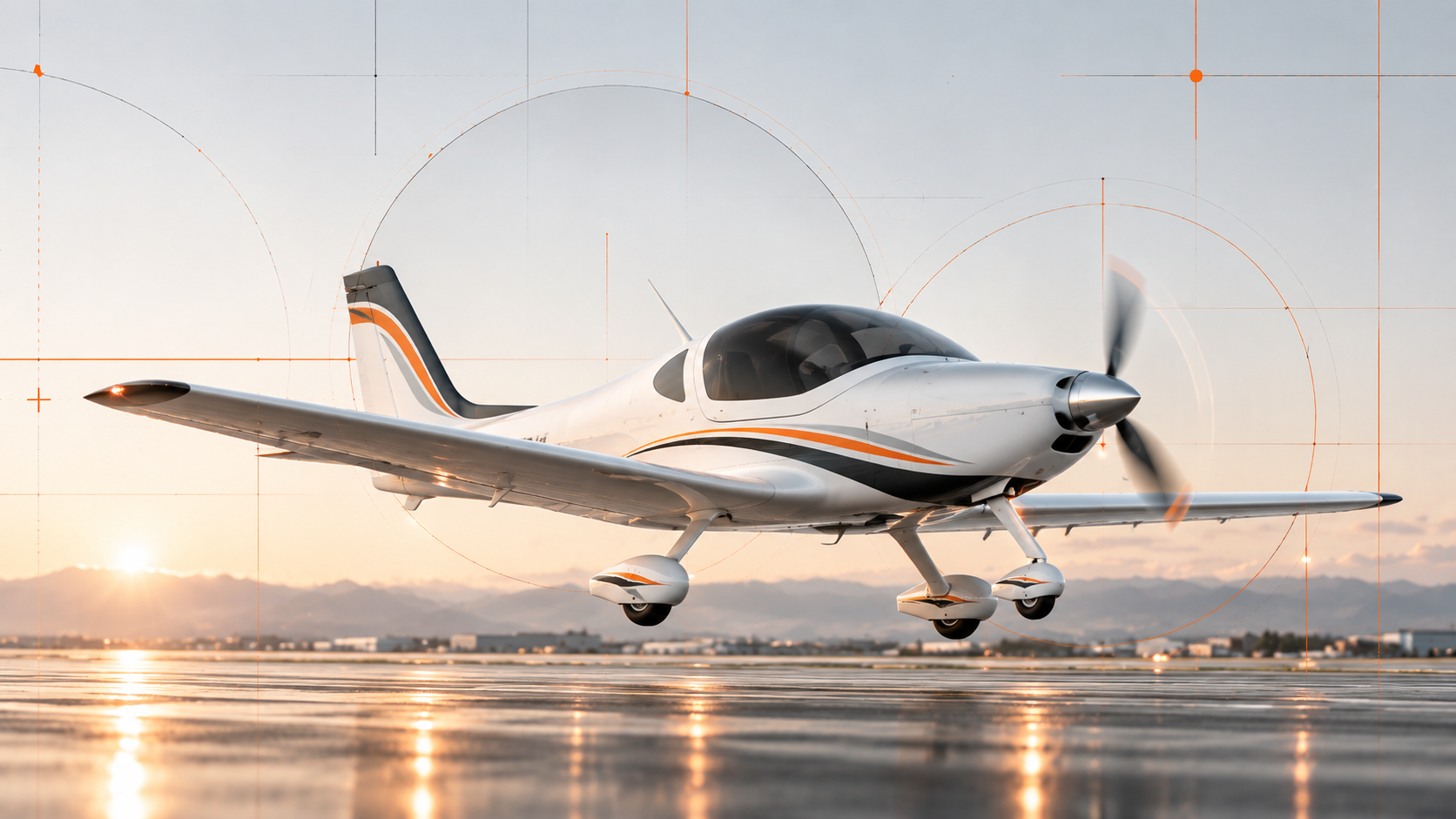
Bye Aerospace's full-scale eFlyer 2 prototype flew for the first time on 24 September 2026 at Centennial Airport near Denver. The flight starts envelope expansion for a two-seat electric trainer pursuing FAA Part 23 certification, but type certification remains a separate and much longer step.
24 Sep 2026 — first flight of the full-scale prototype 2 seats — trainer configuration 125 kW — Safran-published maximum power for the ENGINeUS 100 Up to 80% — Bye's claimed operating-cost reduction (company projection)
Electric trainers are one of the most practical early markets for battery aircraft because training flights are short and local. eFlyer 2 now has to show in the air that its energy, thermal and handling characteristics suit a flight-school duty cycle.
Envelope expansion, published endurance and energy-reserve data, turnaround time between sorties, and the transition to production-intent hardware for FAA Part 23 compliance testing.
Bye Aerospace flew its full-scale eFlyer 2 prototype for the first time on 24 September 2026 at Centennial Airport near Denver, Colorado. Chief test pilot Elliot Seguin flew a planned profile to evaluate handling qualities, aerodynamic characteristics and system performance. Bye said the aircraft handled well and reported no maintenance discrepancies after the flight.
The flight comes nine days after the FAA issued the prototype a Special Airworthiness Certificate in the experimental category, which we covered on 15 September. Bye flew an earlier proof-of-concept aircraft in 2018; this is the first flight of the full-scale prototype built for the current programme.
The prototype pairs Safran's ENGINeUS 100 electric engine, which Safran rates at up to 125 kW, with a magniX Samson battery system, according to Aviation Week's reporting on the propulsion ground tests. The complete powertrain was validated on a truck-mounted testbed before the aircraft was cleared to fly. EASA type-certified the ENGINeUS 100 B1 engine in 2025, but that approval covers the engine, not the eFlyer 2 aircraft.
Bye says it is the first applicant pursuing certification of an all-electric trainer under the performance-based FAA Part 23 rules introduced with Amendment 64, and that its design and test plans have been accepted.
A first flight shows the aircraft can fly safely in a limited envelope. The value of the campaign lies in what follows. Bye says it will expand the envelope gradually to verify safety and gather performance data. For a trainer, three areas matter most:
Bye claims the aircraft can cut operating costs by up to 80% compared with conventional trainers. That is a company projection; real-world figures will depend on the endurance, charging time and battery life the test programme establishes.
The prototype remains an experimental aircraft. The next evidence to watch is envelope-expansion progress, published energy and endurance data, and the move from this prototype to production-intent hardware for FAA compliance testing. Type certification, production approval and first deliveries are separate gates that Bye has not yet dated.
Sources: Bye Aerospace press release via Business Wire, 24 September 2026; FlightGlobal, 24 September 2026; Flying, September 2026; Aviation Week, 9 September 2026.