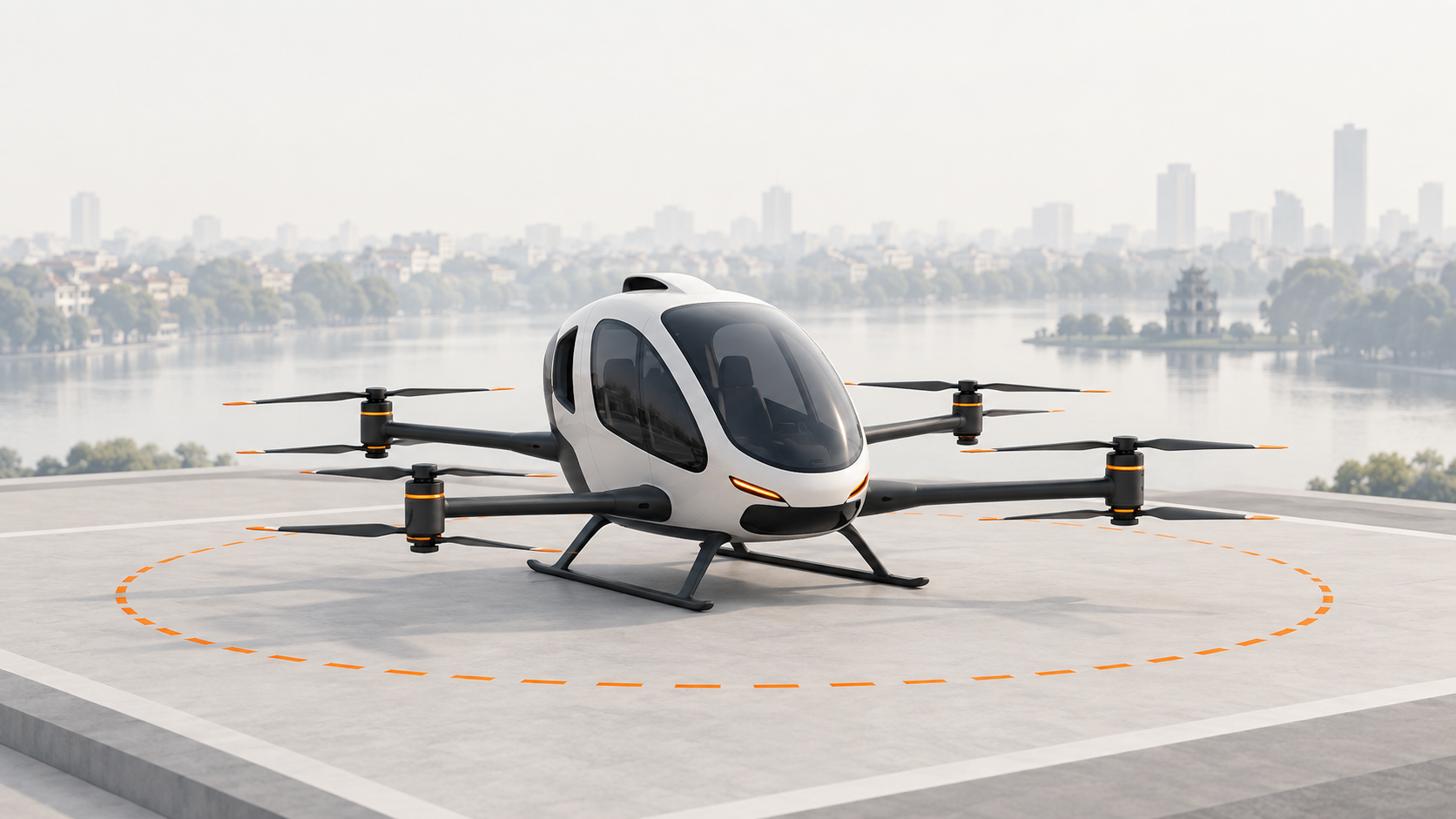
Vertical Aerospace has started a review of strategic alternatives, including strategic and financial partnerships, with Jefferies as adviser. The move comes after piloted Valo transition flights and ahead of a Critical Design Review due by the end of 2026, with Type Certification now targeted for 2029.

~$100M — financing commitments secured in August 2026 ~$134M — cash reported in Vertical's August half-year update ~$150M — expected net cash outflows over the following 12 months 2029 — Vertical's current expected Valo Type Certification year
Vertical is seeking partners just as Valo moves from proving its configuration to freezing a certifiable design. The next phase, conforming aircraft and certification testing, is the most capital-intensive part of the programme.
Completion of Critical Design Review by the end of 2026, the full-scale production-facility announcement expected in Q4 2026, assembly of the first certification-conforming Valo at Cotswold from Q4 2027, hybrid-electric flight testing in the first half of 2027, and the scope of any partnership that results from the review.
Vertical Aerospace said on 24 September 2026 that it has begun a review of strategic alternatives, including possible strategic and financial partnerships, to fund the next phase of its Valo programme. Jefferies LLC has been retained as financial adviser. Vertical set no deadline for the review, said it may not lead to any transaction, and stated that flight testing, certification work and customer commitments continue unchanged.
The announcement follows the busiest year in the company's history. Valo prototypes completed piloted transitions from thrust-borne to wing-borne flight this year, and Vertical flew public transition demonstrations on five consecutive days at the Farnborough International Airshow in August. On 21 September it appointed Fabrice Brégier, former head of Airbus's commercial aircraft business, as board chair.
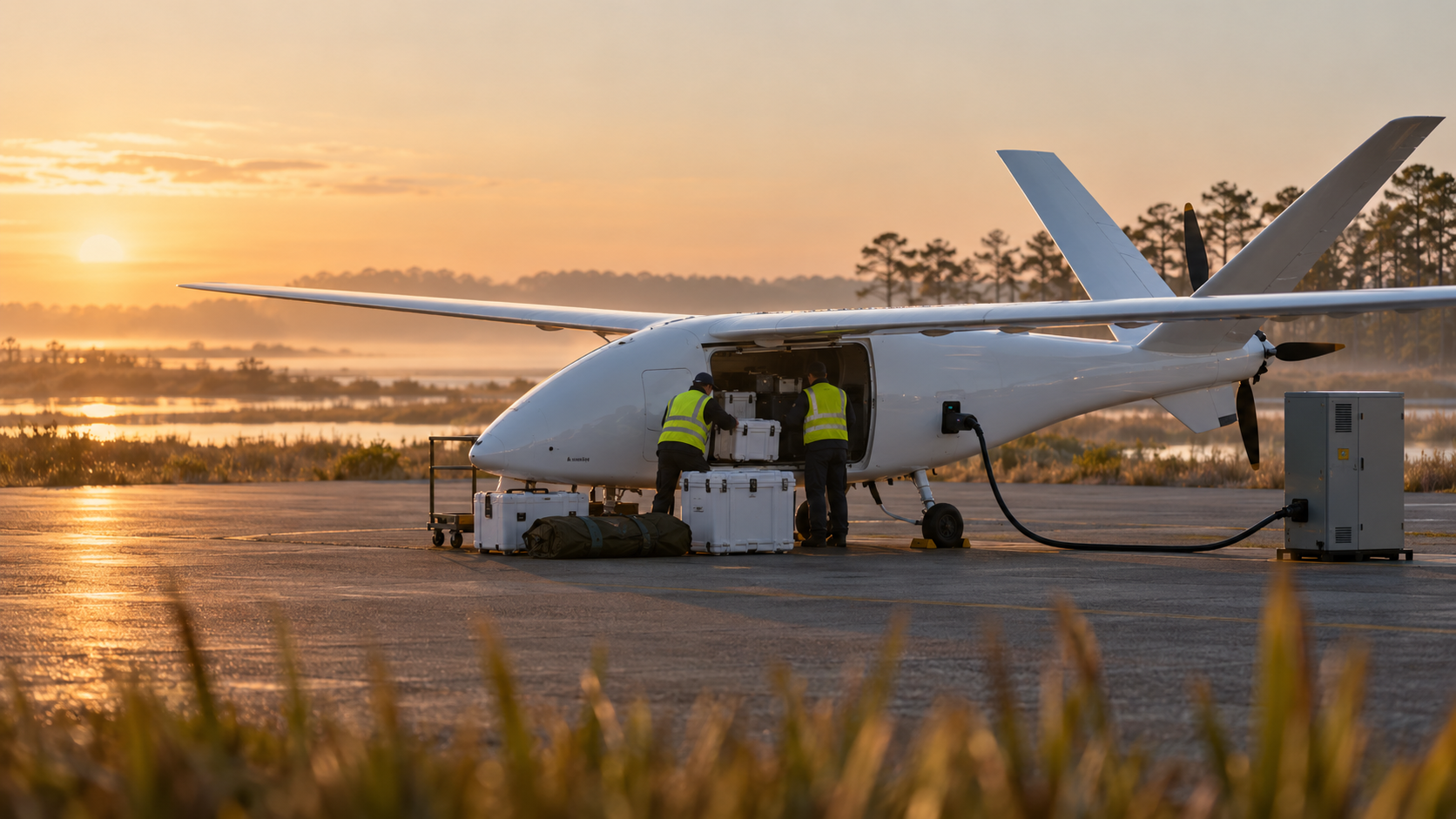
A day after announcing the review, Vertical opened a new manufacturing centre at Cotswold Airport, UK, adding about 60,000 sq ft of operational and aircraft-assembly space. Vertical says the site will build its certification-conforming aircraft, with assembly of the first starting in Q4 2027, and has capacity for more than 25 Valo aircraft a year in early production to support initial customer deliveries. The company expects to announce plans for a full-scale production facility in Q4 2026. Opening the centre shows Vertical is still investing in the post-CDR phase while it looks for partners to fund it.
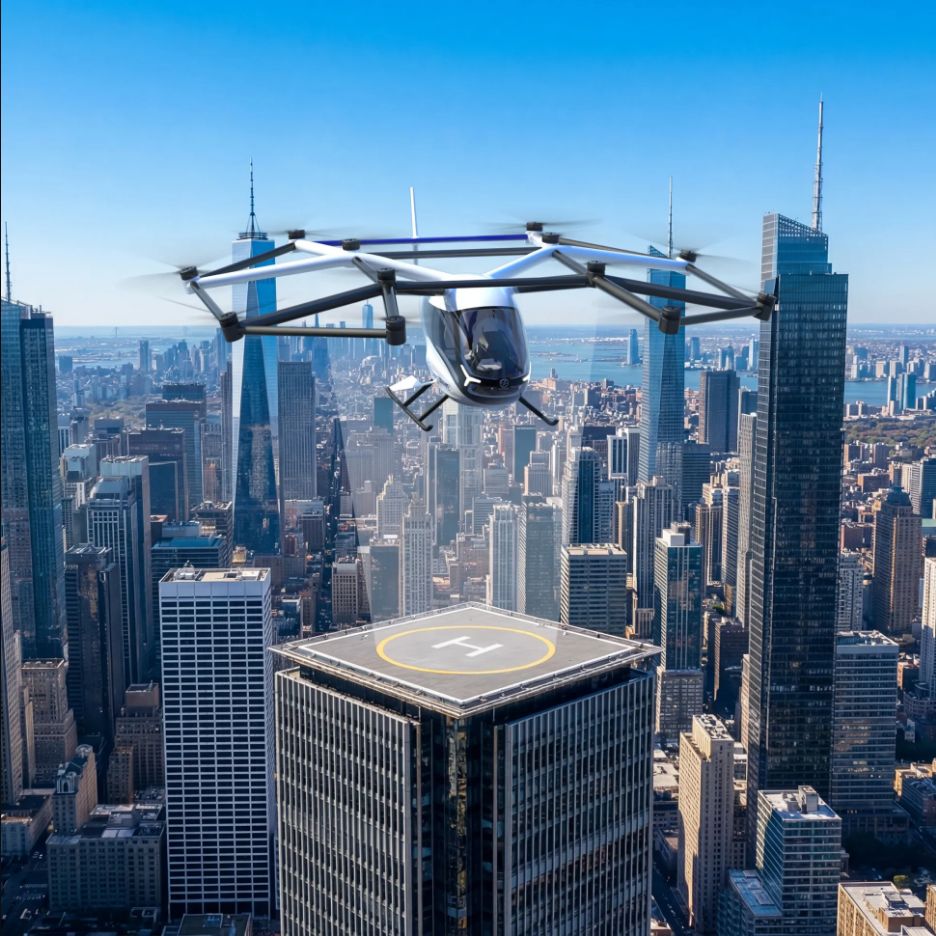
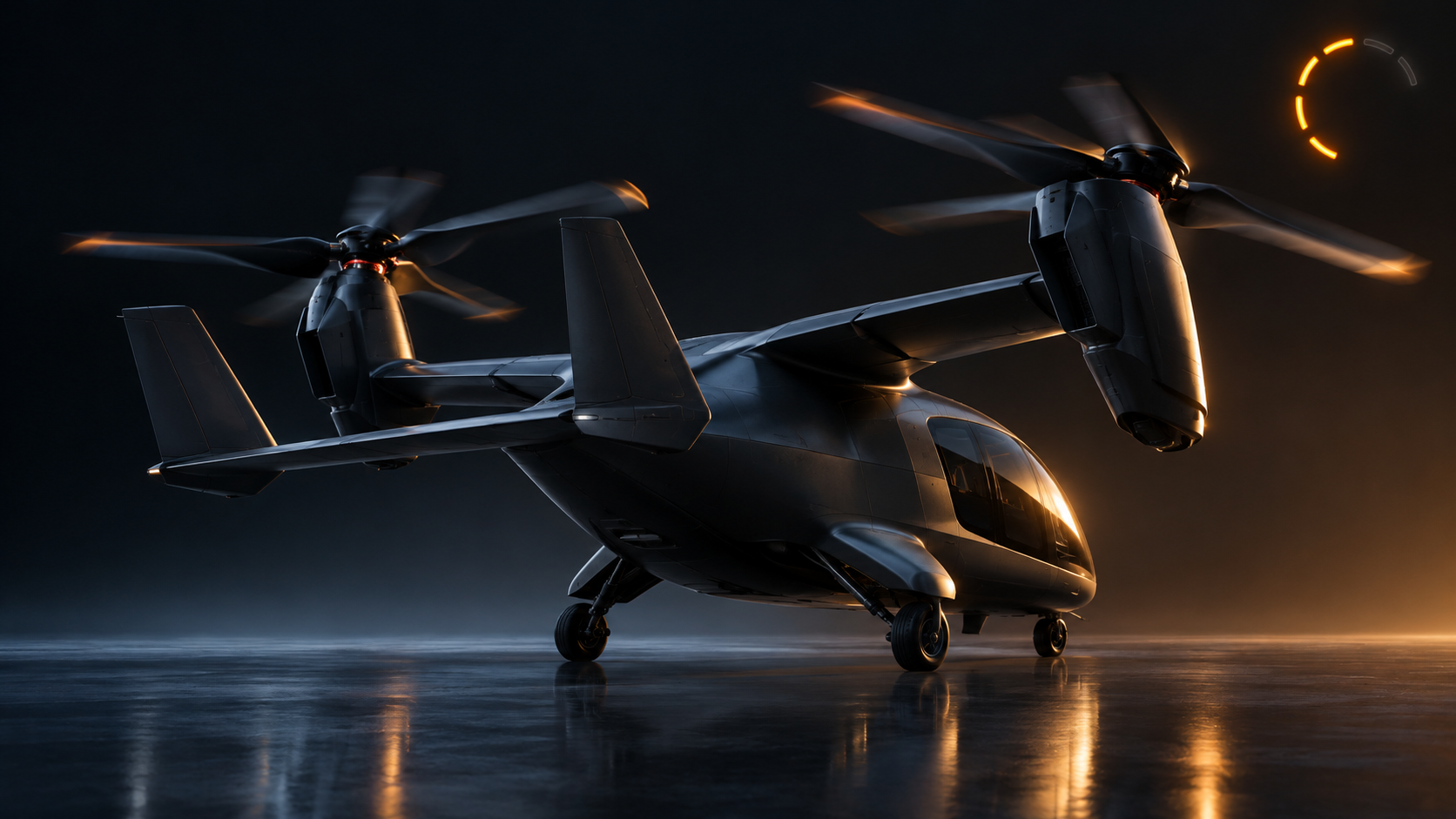
Valo is a four-passenger vectored-thrust eVTOL: four front propellers tilt for cruise, while four rear lift propellers stop and stow once the wing is carrying the aircraft. Proving that transition with a pilot on board removes one of the largest technical unknowns in the configuration. What it does not do is freeze the certifiable design.
That is the job of Critical Design Review, which Vertical expects to complete by the end of 2026. CDR sets the baseline that certification-conforming aircraft are built to. After it, changes to structures, battery installation or flight-control architecture become slower and more expensive, because they ripple through compliance documents and test evidence. In July, Vertical re-baselined the remaining certification work and moved its expected Valo Type Certification from 2028 to 2029.
The review also covers a hybrid-electric variant built on the same platform. Vertical plans to retrofit its third prototype for hybrid-electric flight testing in the first half of 2027, and has said the UK Ministry of Defence is interested in hybrid and autonomous capabilities. A shared airframe with two energy options widens the potential partner pool beyond air-taxi operators to defence and regional-mobility customers, but it also means two powertrain integrations to mature and certify.
In August, Vertical secured financing commitments of about $100 million: $40 million in convertible notes from Mudrick Capital, a $35 million equity offering, and a $25 million preferred-equity facility with Yorkville. Its half-year update put cash at about $134 million, with expected net outflows of around $150 million over the following twelve months and runway of at least twelve months.
Those figures explain the timing. The costliest part of any eVTOL programme sits after CDR: building conforming aircraft, running certification test campaigns and standing up production. With Type Certification now targeted for 2029, Vertical needs capital well beyond its current runway, and a strategic partner could bring manufacturing capacity, supply-chain scale or defence access as well as money. The company holds around 1,500 pre-orders from airlines and lessors, including American Airlines, Avolon, Bristow, GOL and Japan Airlines, though these are conditional commitments rather than firm orders.
The technical milestones matter more than the transaction headlines. Completing CDR on schedule would show that the certifiable Valo design is settled; the build of conforming aircraft would show that the programme can move from prototypes to certification evidence. Any partnership that emerges is likely to be judged on whether it funds that transition through to 2029, not on the headline value.
Not investment advice. This article is technical and programme analysis only and is not a recommendation to buy, sell or hold any security.
Sources: Vertical Aerospace press release, 24 September 2026; Urban Air Mobility News, 25 September 2026; Vertical financing commitments, 10 August 2026; Vertical H1 2026 business update, 13 August 2026; Vertical chair appointment, 21 September 2026; FlightGlobal, September 2026.