AURA AERO plans to substantially reconfigure its X-VOLT flying testbed so the propulsion system more closely represents the 19-seat ERA series-hybrid architecture. Modified flight testing is targeted for early 2027; that timing and ERA’s late-2027 first-flight date remain company targets.

Early 2027 — company target for modified X-VOLT flight testing 8 — Safran ENGINeUS electric motors planned for ERA 2 — turbogenerators planned for ERA Late 2027 — company target for ERA first flight
Moving X-VOLT closer to ERA’s series-hybrid propulsion architecture could give AURA AERO flight data on a more representative electrical power chain before the full-scale 19-seat prototype flies. The value will depend on how much of the intended architecture is actually reproduced and what measured results are disclosed.
Disclosure of the modified electrical architecture, power-management and thermal test results, fault-behaviour evidence, and whether lessons from X-VOLT transfer into the full-scale ERA prototype ahead of its company-targeted late-2027 first flight.
AURA AERO plans to substantially reconfigure its X-VOLT hybrid-electric demonstrator so the aircraft more closely represents the propulsion architecture intended for its 19-seat ERA regional aircraft. Aviation Week reported the plan on 21 September, with flight testing of the modified X-VOLT targeted to begin in early 2027.
The update adds an important engineering detail to AURA AERO’s 16 September announcement that X-VOLT had returned to flight at Rochefort. The company had already identified the former VoltAero demonstrator as a flying testbed for ERA. The new plan is to move the test aircraft closer to the configuration of the production-intent propulsion system rather than use it only as a general hybrid-electric research platform.
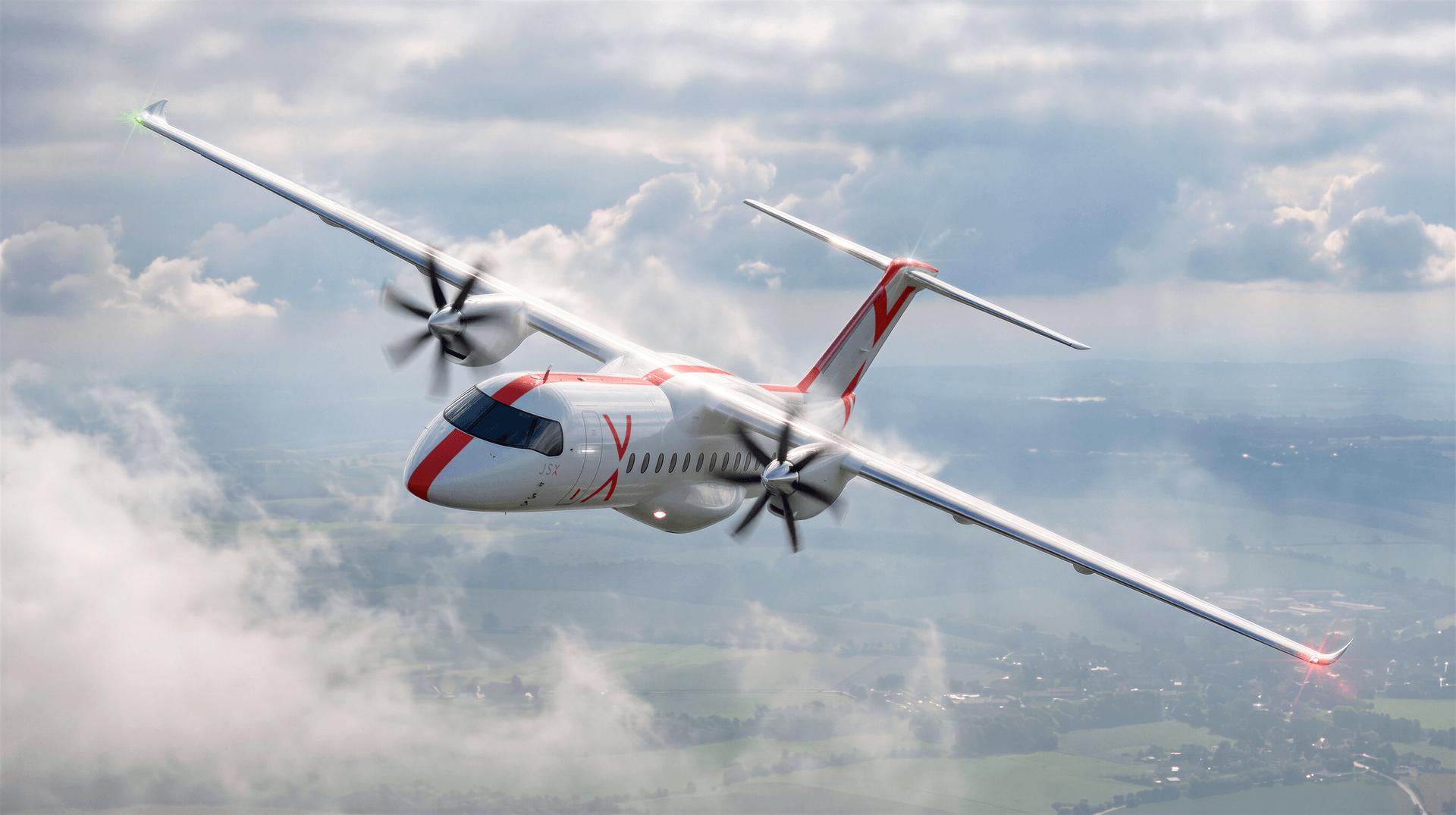
ERA is planned around a series-hybrid architecture with eight Safran ENGINeUS electric motors and two turbogenerators. In that arrangement, the propulsors are electrically driven; the turbogenerators supply electrical power rather than mechanically driving the propellers through a conventional engine-to-propeller shaft path.
AURA AERO has not publicly shown that X-VOLT will reproduce every ERA subsystem or installation detail. The useful distinction is therefore representativeness, not equivalence. A modified flying testbed can expose propulsion hardware and control logic to real vibration, temperature, altitude and power-transient conditions before the full-scale ERA prototype flies, but it cannot reproduce all of the regional aircraft’s structural, aerodynamic, thermal or certification loads.
The more closely X-VOLT matches ERA’s power-generation, distribution and motor architecture, the more useful it can become for integration work. Relevant evidence would include how the electrical buses are arranged, how power is shared between generation and storage, how motor and inverter loads are managed through flight phases, and how the system behaves after component or power-source faults.
Those questions matter because series-hybrid propulsion shifts much of the integration problem into the electrical and thermal domains. Eight distributed motors can provide architectural flexibility, but the aircraft-level safety case depends on fault isolation, common-mode failure control, cooling, high-voltage protection and the behaviour of the complete power chain rather than motor count alone.
Aviation Week reports that modified X-VOLT flight testing is targeted for early 2027. AURA AERO’s own September material says ERA’s first flight is scheduled for late 2027. Both dates should be treated as company targets. They do not constitute regulator-approved certification milestones or evidence that the full-scale ERA propulsion installation has completed compliance testing.
AURA AERO says X-VOLT and the all-electric INTEGRAL E have accumulated more than 350 hybrid-electric and electric flights combined. That gives the company a useful body of operational test experience, but the next evidence threshold for ERA is more specific: disclosure of the modified X-VOLT architecture, measured results from the new configuration, and then full-scale prototype data that demonstrates how those lessons transfer to the 19-seat aircraft.
Evidence note: AURA AERO’s 16 September release confirms X-VOLT’s return to flight and its role as an ERA propulsion testbed. The planned substantial reconfiguration and early-2027 modified-flight-test target are reported by Aviation Week on 21 September. ERA schedule statements remain company targets.
Sources: Aviation Week, 21 September 2026; AURA AERO, 16 September 2026; AURA AERO ERA product page.