EHang and its Vietnamese partner are pursuing a Hanoi regulatory sandbox for controlled EH216-S testing, but the agreement is an MOU and application pathway rather than an operating approval.

The important development is regulatory market-entry work in Vietnam, not aircraft certification. The programme could provide operating and airspace evidence if Hanoi formally authorizes the sandbox.
A formal Hanoi authorization decision, first controlled flights, operating limitations, and whether testing later develops into an approved commercial pathway.
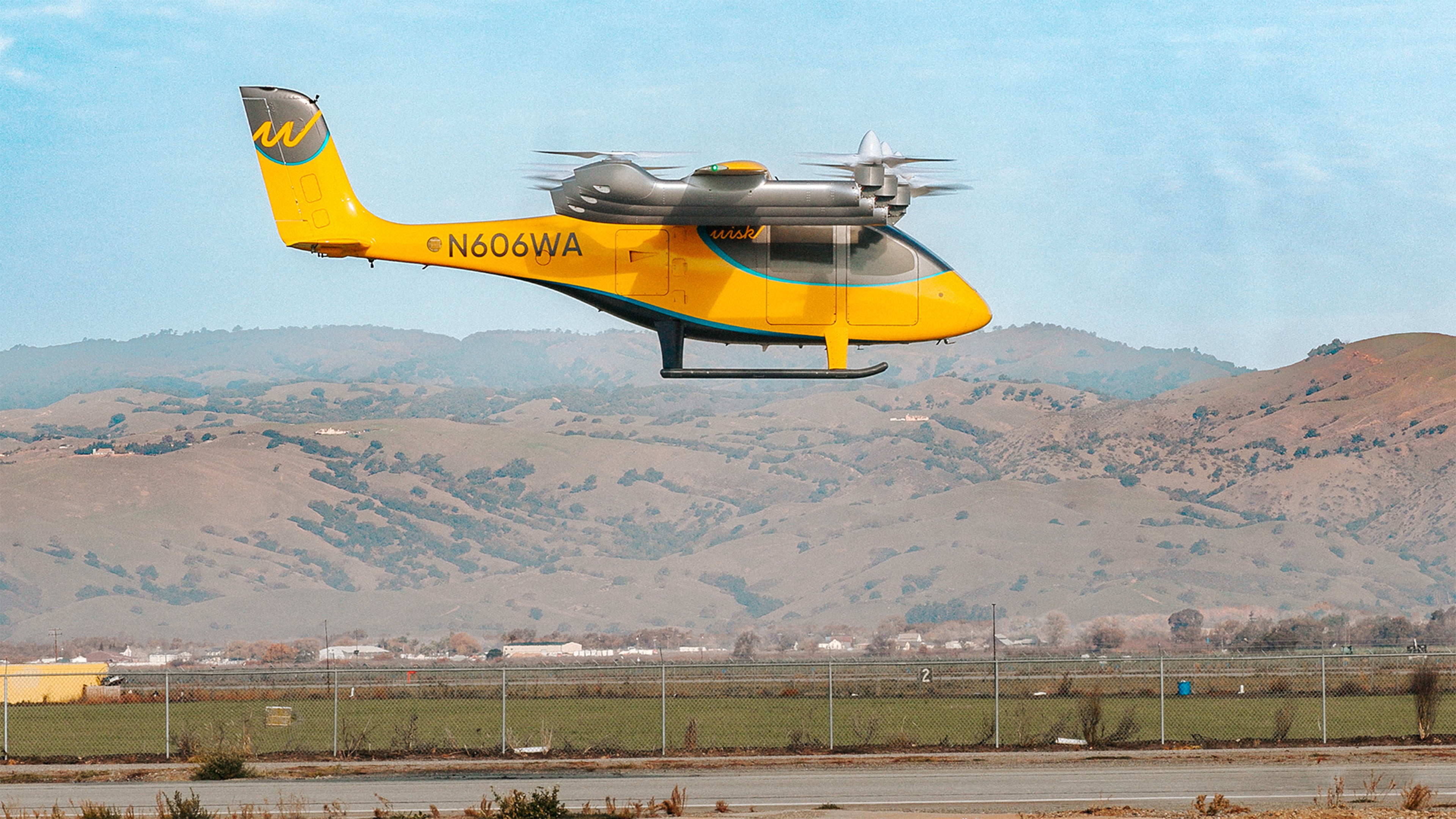
EHang is expanding its Global Fast Track programme into Vietnam through a planned regulatory sandbox in Hanoi centered on the EH216-S pilotless eVTOL.
EHang’s local partner, HungViet Technology and Investment Trading, has signed a cooperation agreement with the Hanoi Department of Science and Technology. The proposed programme covers controlled EH216-S testing, unmanned-aircraft traffic management and an operations-control-centre model at Hoa Lac Hi-Tech Park.
The regulatory distinction is important: the agreement is not an operating approval.
Hanoi’s own account says HungViet will prepare the sandbox application and that controlled testing can proceed only if the city issues a decision permitting the trial. EHang similarly states that test flights follow completion of the relevant application and approval procedures.
The official Hanoi account describes a four-phase controlled-testing programme covering the EH216-S, an unmanned-aircraft traffic-management model and an operations control centre.
EHang says it will supply the aircraft, technical systems and training support. HungViet is expected to provide technical, financial and human resources beginning in October 2026.
The programme is intended to test how the aircraft and operating system fit Vietnam’s local regulatory rules and operating environment before any commercial-operation pathway is considered.
The EH216-S already holds Chinese CAAC type, production and individual airworthiness approvals, and approved Chinese operators hold Air Operator Certificates for specified services.
Those approvals do not constitute approval in Vietnam. Vietnamese authorities still have to establish the applicable airworthiness, operating, airspace and sandbox requirements for local activity.
That makes the Hanoi programme more useful as regulatory evidence than as a near-term commercial-service announcement.
The next meaningful milestones are:
Until those steps occur, the correct classification is sandbox preparation, not entry into service.