BETA's conventional-takeoff ALIA CX300 began eIPP medical-logistics flights in North Carolina on 17 September 2026, covering more than 1,300 nm, and flew its first Texas eIPP mission for Washington County EMS on 24 September. The trials test where a runway electric aircraft fits in healthcare aviation, and how much charging infrastructure it needs.
1,300+ nm — North Carolina eIPP campaign distance since 17 Sep 2026 ~170 nm — Raleigh Executive to Dare County Regional (great-circle) 336 nm — CX300 maximum demonstrated range (manufacturer) 1 → 15+ — BETA charging sites in North Carolina, existing → in development
These trials put a battery-electric aircraft inside working regional healthcare networks, with named hospital partners and a real charging footprint. They test the operating model a runway electric aircraft needs: short legs, chargers at the network nodes, and airport-to-airport missions that complement rather than replace air-ambulance helicopters.
New North Carolina charging sites, reliable routes to the Outer Banks, a shift from demonstration sorties to scheduled flying, published cost-per-flight data, and CX300 Part 23 and H500A Part 33 certification progress.
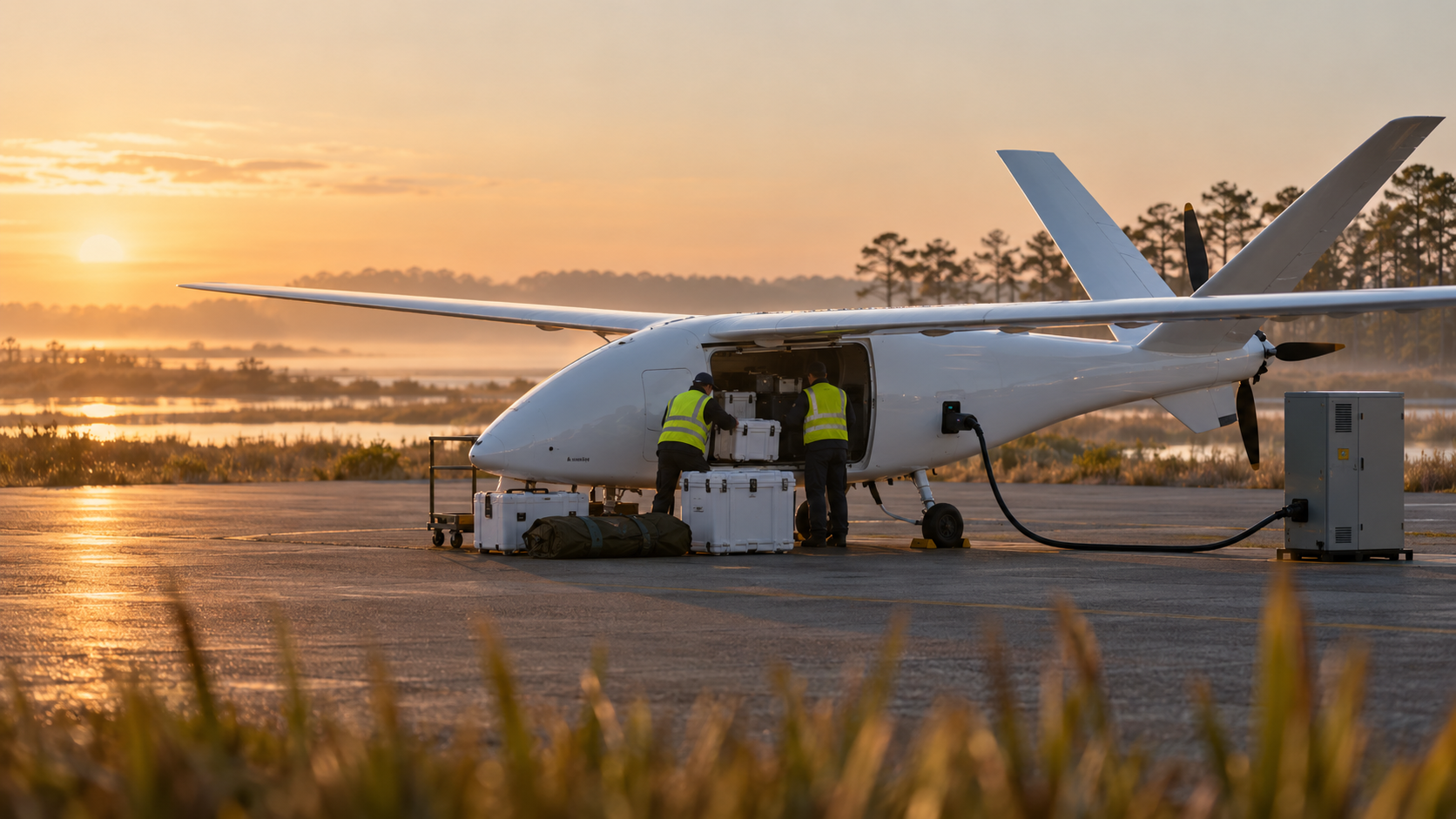
BETA Technologies has started flying medical-logistics missions under the FAA's eVTOL Integration Pilot Program (eIPP) in two states within a week. In North Carolina, operations with its conventional-takeoff ALIA CX300 began on 17 September 2026 and, according to BETA's announcement on 23 September, covered more than 1,300 nautical miles. The aircraft flew from Raleigh Executive Jetport to Pitt-Greenville Airport and to Dare County Regional Airport on the Outer Banks, carrying healthcare supplies and a deployable medical field tent with ECU Health, WakeMed and operator Metro Aviation. On 24 September the same aircraft type made BETA's first Texas eIPP flight, moving disaster-response equipment for Washington County EMS in Brenham as part of the Texas Department of Transportation's Project Nexus.
ECU Health also kicked off a wider state effort, eLIFT-NC, on 23 September, with NCDOT, the FAA, BETA, Joby Aviation and Metro Aviation. It plans to begin with training and initial operations before adding routes and, potentially, hospital-to-hospital missions.
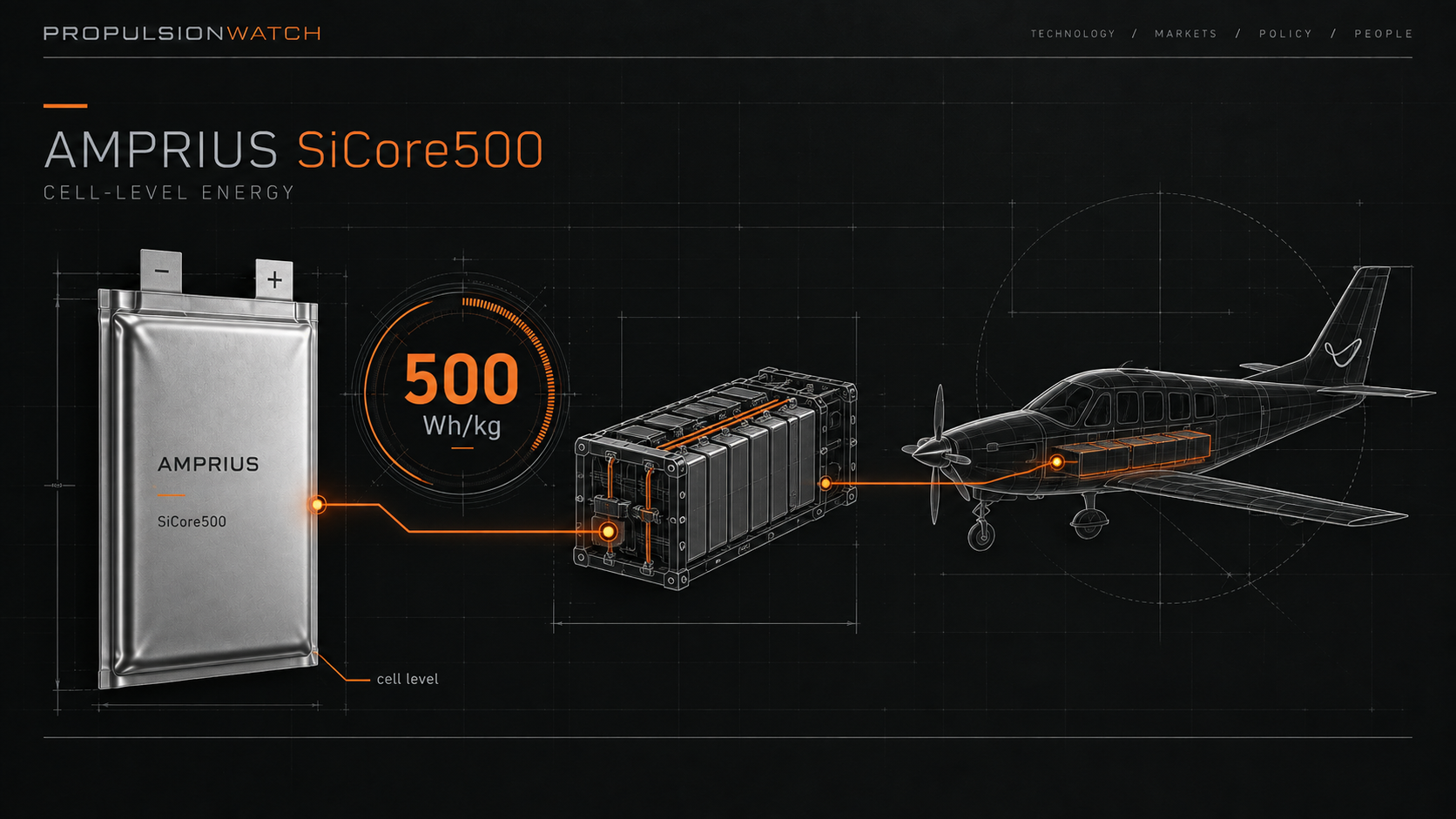
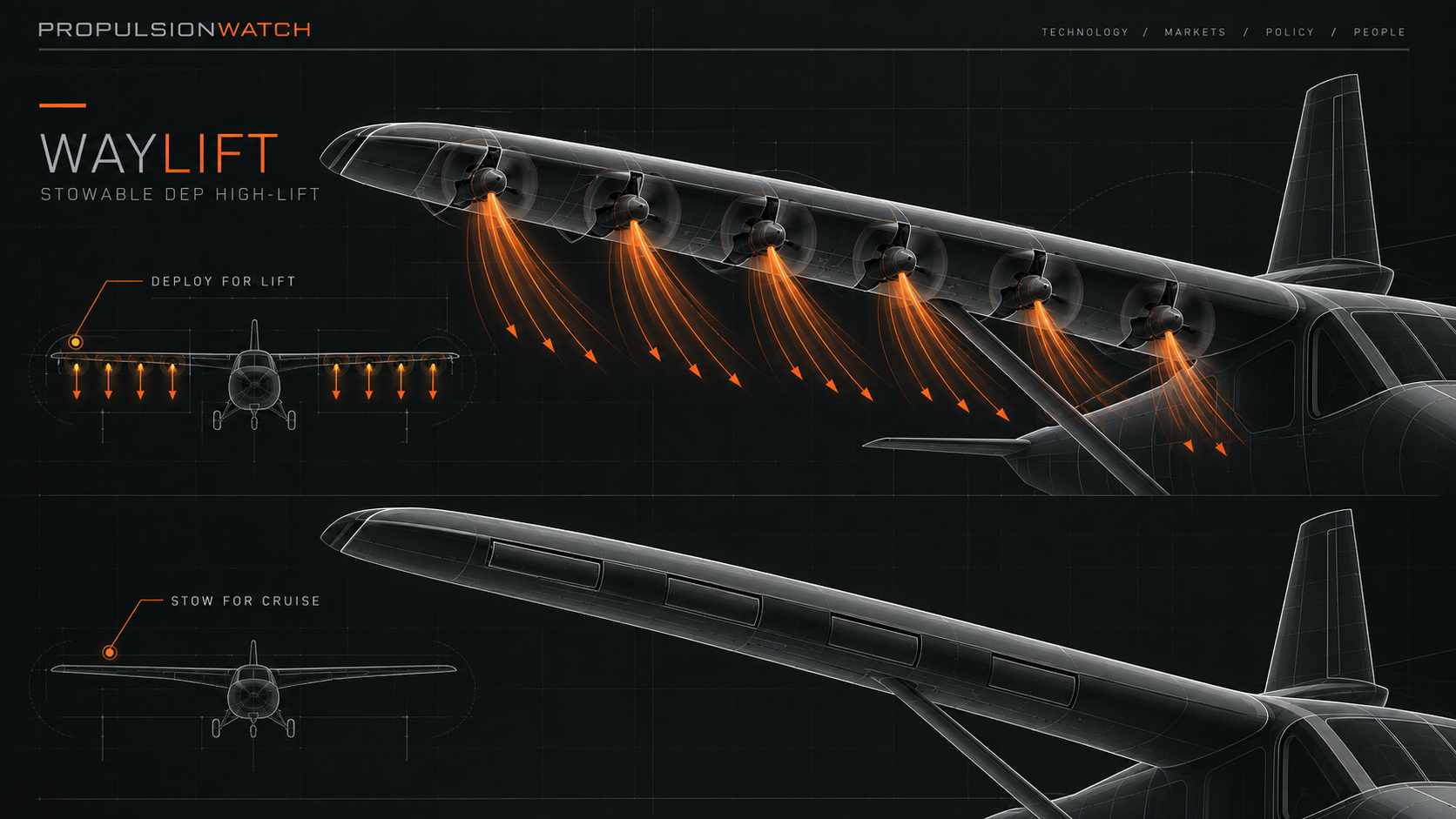
None of these flights used vertical takeoff. The CX300 is BETA's runway aircraft: one H500A electric pusher motor, a fixed-pitch propeller and no lift rotors. BETA publishes a 336 nm maximum demonstrated range, a 153 kt maximum speed, room for five passengers or 200 cubic feet of cargo, and a 35-minute optimized charge. Its annual filing describes 225 kWh of onboard energy in the certification-intent configuration. The aircraft is working through FAA Part 23 certification; BETA reported in August that the FAA had accepted its complete set of compliance requirements, but no type certificate has been issued. The eIPP flights are operational trials under the pilot program, not certified commercial service.
The North Carolina legs are a useful test of what a battery aircraft of this size can do on a real network. Raleigh Executive Jetport to Pitt-Greenville is roughly 85 nm great-circle. Raleigh Executive to Dare County Regional is roughly 170 nm, about half the CX300's maximum demonstrated range. A one-way coastal delivery fits comfortably. An out-and-back to the Outer Banks without charging at the far end would need close to the full demonstrated figure before any reserve, which in practice means the aircraft needs a charger at both ends of the longer routes.
That is why the infrastructure numbers in the announcement matter as much as the flights. North Carolina currently has one BETA Charge Cube, at Raleigh Executive Jetport, installed in 2024. BETA says more than 15 additional charging sites are in development across the state. In Texas, a Charge Cube is online at Galveston, anchoring a Galveston–Sugar Land–Brenham corridor whose two legs are each roughly 50 nm. Short legs and chargers at the network nodes are the operating pattern battery aircraft need: energy per leg stays well inside the range figure, and the 35-minute charge becomes a turnaround time rather than a range limit.
For time-critical medical logistics, the value of an electric aircraft is mostly in operating cost and dispatch simplicity, not speed. A single electric motor with a fixed-pitch propeller has far fewer life-limited parts than a turbine helicopter drivetrain, and electricity is cheaper per hour than jet fuel. That is the affordability argument Metro Aviation is testing: whether routine, scheduled movements of supplies, lab samples, equipment and specialist teams can be flown at a cost that justifies aviation, instead of being left to road transport.
The limitation is equally clear. A conventional-takeoff aircraft needs a runway. It cannot land at an accident scene or on a hospital helipad, so it does not replace the EC145 helicopter Metro already operates for Washington County EMS. The realistic role is airport-to-airport: moving supplies into rural and coastal regions, positioning disaster-response equipment ahead of or after a storm, and eventually transferring stable patients between facilities that have a nearby airfield. The vertical-lift ALIA A250 is the aircraft that would bring hospital-pad access, and it is further behind in certification.
Weather resilience is the other technical question the North Carolina program is designed to answer. Hurricane-driven flooding regularly cuts road access to the Outer Banks and the eastern counties. An aircraft that can operate IFR from existing airports, with chargers pre-positioned inland, gives planners a supply line that does not depend on bridges. How it performs in gusty coastal conditions, cold-soaked battery states and repeated high-utilization days is what the trial data will show.
BETA says it now participates in seven of the eight eIPP programs, which gives it one of the broadest operational data sets of any electric-aircraft developer ahead of certification. Medical logistics is a deliberate early market: missions are short, payloads are small, the customers are institutional, and the value of reliable delivery is high. Metro Aviation, a major U.S. air-medical operator, ordered BETA aircraft in 2024; these trials put the aircraft inside working regional healthcare networks with named hospital partners. They follow BETA's earlier eIPP flights moving manufactured organs for United Therapeutics. This is analysis of public company and program announcements, not investment advice.
The eIPP gives the FAA and state partners operating data before the aircraft is certified, but it does not shorten the airworthiness path. Commercial medical service with the CX300 still requires Part 23 type certification of the aircraft, completion of the H500A motor's Part 33 certification, and operator approvals for the specific missions. Patient transport would add further operational and medical-configuration requirements on top of cargo operations.
The next milestones are practical rather than headline-grabbing: whether the planned North Carolina charging sites come online, whether routes extend reliably to the Outer Banks, and whether the programs move from demonstration sorties to repeated, scheduled flying. If Metro and its hospital partners can show regular supply runs at a predictable cost per flight during 2027, the CX300 would arrive at certification with a defined job already waiting. The flights also set up a clear comparison with Joby's aircraft in the same eLIFT-NC program: a runway airplane optimized for cost and range against a VTOL aircraft that can reach places without a runway.