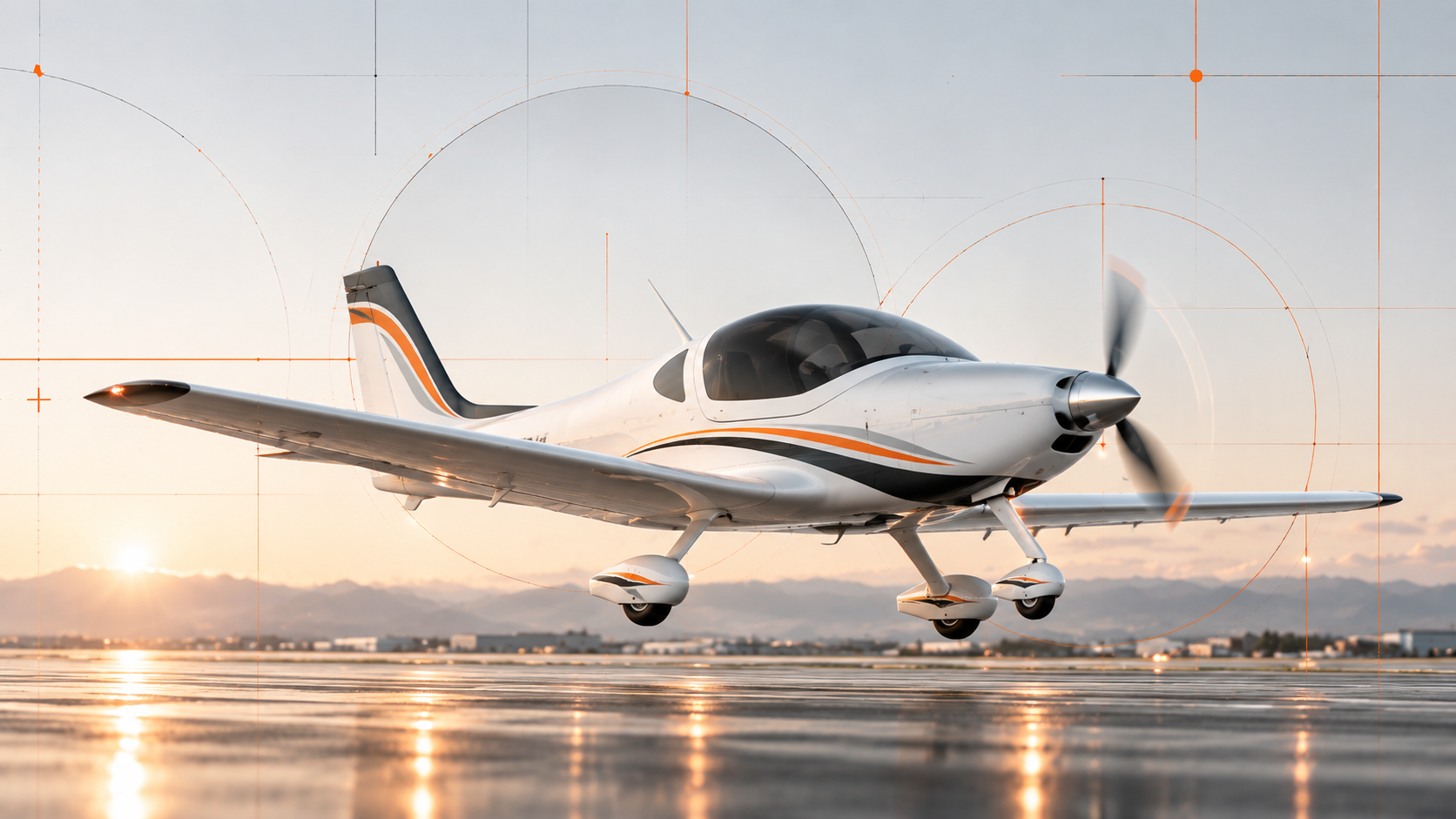
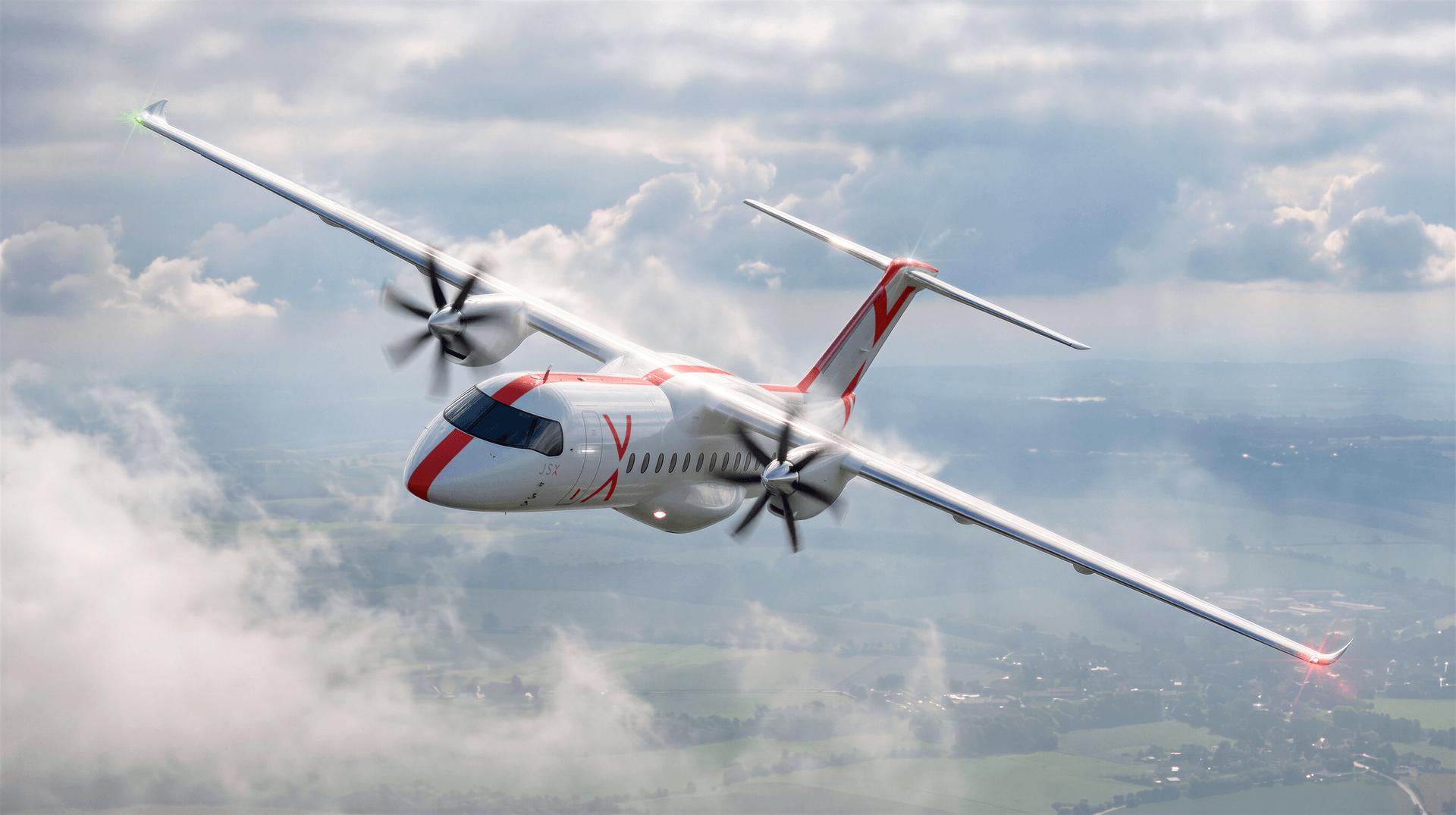
The FAA has issued a Special Airworthiness Certificate for Bye Aerospace's full-scale eFlyer 2 prototype, moving the two-seat electric trainer from structural and integrated propulsion ground testing toward its first flight.

2 seats — eFlyer 2 trainer configuration 125 kW — Safran-published maximum power for the ENGINeUS 100 1 — Special Airworthiness Certificate authorizing experimental flight testing
The milestone moves a full-scale electric CTOL trainer from structural and integrated propulsion ground testing into the flight-test phase, where aircraft-level energy, thermal and propulsion behaviour can be measured.
First flight, envelope expansion, aircraft-level thermal and energy data, and subsequent progress from a nonconforming experimental prototype toward production-intent type-certification hardware.
Bye Aerospace's eFlyer 2 has received an FAA Special Airworthiness Certificate in the experimental category, clearing the full-scale prototype to begin flight testing. The authorization followed an FAA inspection at Centennial Airport near Denver covering the airframe, electric propulsion system, instruments and other aircraft systems.
The certificate should not be confused with type certification. It authorizes this experimental aircraft to conduct its flight-test program; it does not establish that the eFlyer 2 design is approved for serial production or commercial training operations.
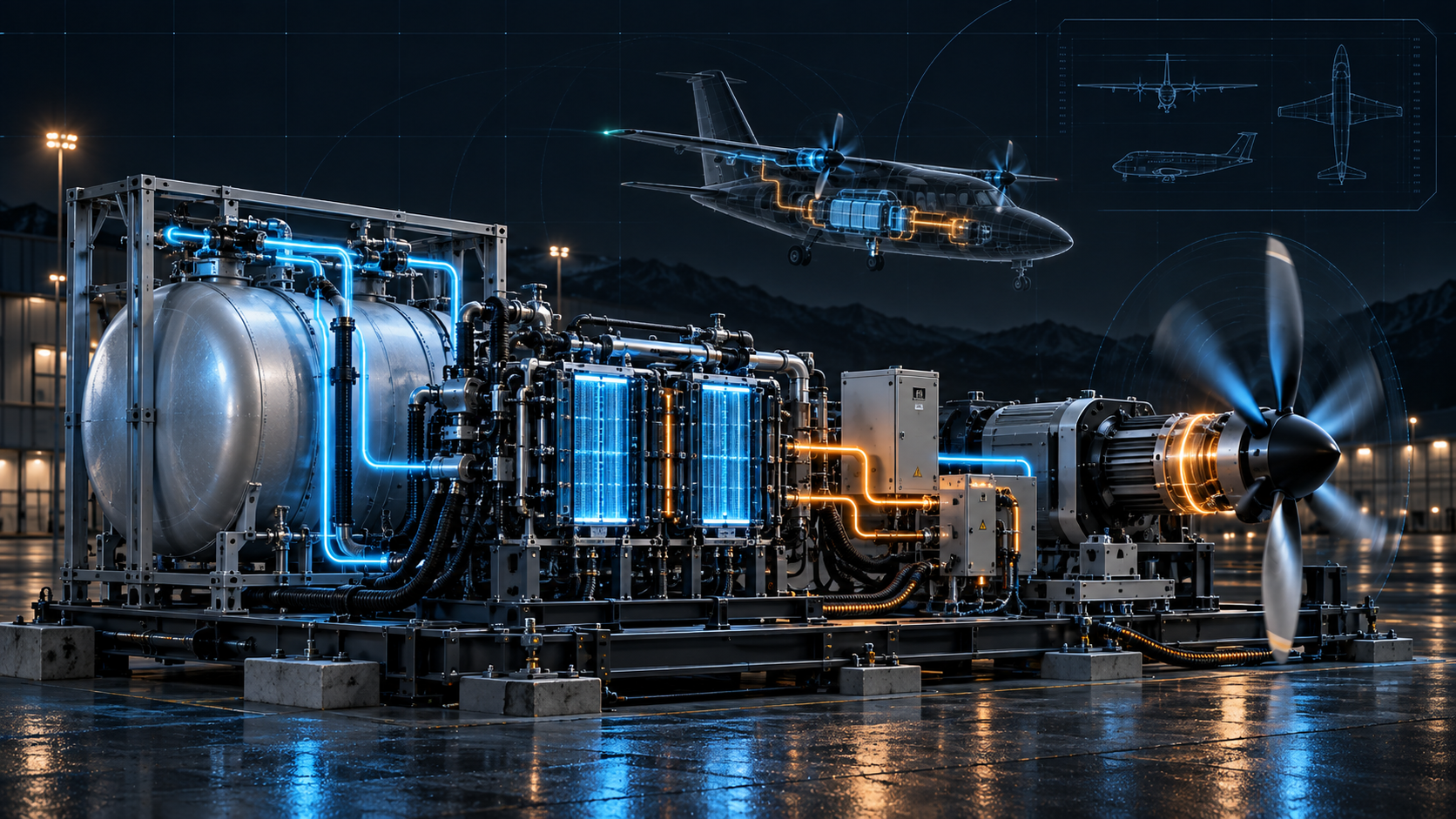
Aviation Week reports that Bye completed validation testing of the complete propulsion system on a truck-mounted testbed known as the Beast before receiving the flight-test authorization. The prototype combines Safran's ENGINeUS 100 electric engine with a magniX Samson battery system.
The Safran machine is a particularly relevant component because EASA type-certified the ENGINeUS 100 B1 in 2025 under Special Condition SC E-19. That approval belongs to the engine configuration, not the eFlyer 2 aircraft. The flight program now tests how the propulsion components behave as an integrated aircraft system across a progressively expanded operating envelope.
Initial flight testing can begin connecting ground-test data to aircraft-level energy use, cooling, vibration, electromagnetic environment and propulsion response. For an electric trainer, usable endurance and reserve performance matter at least as much as peak motor power because repeated training sorties impose a distinct energy and charging duty cycle.
Bye completed the prototype's structural build in July after structural testing of the composite wing, fuselage and flight controls. The company is conducting final inspections and operational-readiness work before the phased flight-test campaign begins.
The next meaningful milestone is therefore the first flight and subsequent envelope expansion, followed by evidence that the production-intent configuration can satisfy the FAA's type-certification requirements. The Special Airworthiness Certificate is the start of that airborne evidence, not its conclusion.
Sources: Aviation Week, 9 September 2026; FLYER, 15 September 2026; Safran/EASA ENGINeUS certification records.