Heart Aerospace has unveiled the 36-seat ES-36 with two series-hybrid powertrains, each pairing a 1.65 MW electric motor with a turbogenerator. Heart quotes 200 km all-electric and 1,200 km hybrid range; JSX has a deposit-backed agreement for 50 aircraft plus 50 purchase rights.
36 seats — six more than ES-30, with 1,415 lb additional payload capacity at the same published MTOW 2 × 1.65 MW — electric propulsion motors, each paired with a turbogenerator 200 km / 1,200 km — company-targeted all-electric and hybrid range, with reserves 50 + 50 — JSX deposit-backed purchase agreement plus purchase rights
Heart has replaced its four-nacelle independent-hybrid concept with two series-hybrid powertrains. Fewer nacelles may reduce drag and maintenance, while the revised propulsion and failure cases will require fresh aircraft-level test and certification evidence.
Powertrain and turbogenerator integration, transfer of X1 test evidence to ES-36, progress toward Heart's second-half 2028 first-flight target, and how earlier ES-30 customer commitments are treated.
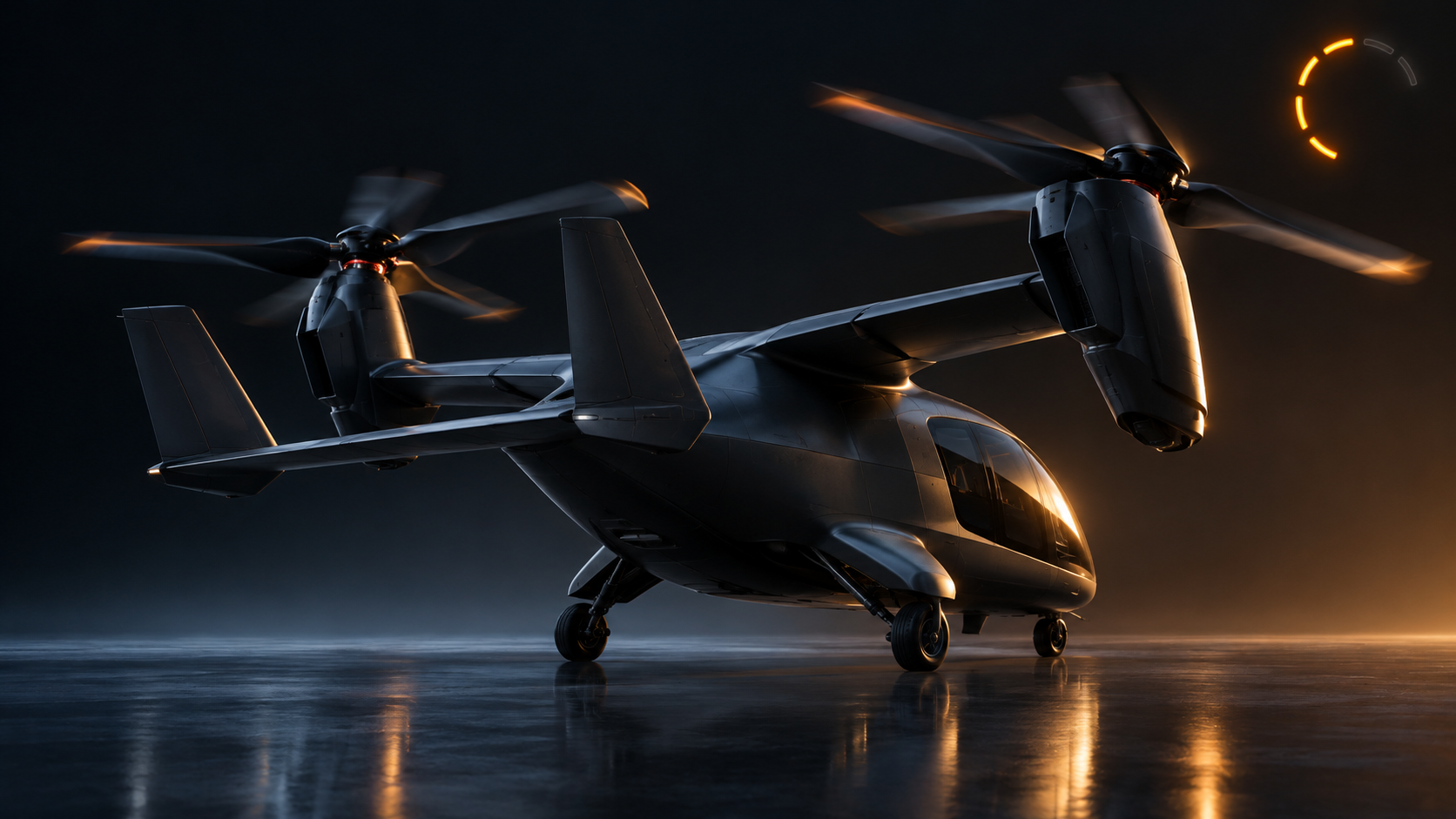
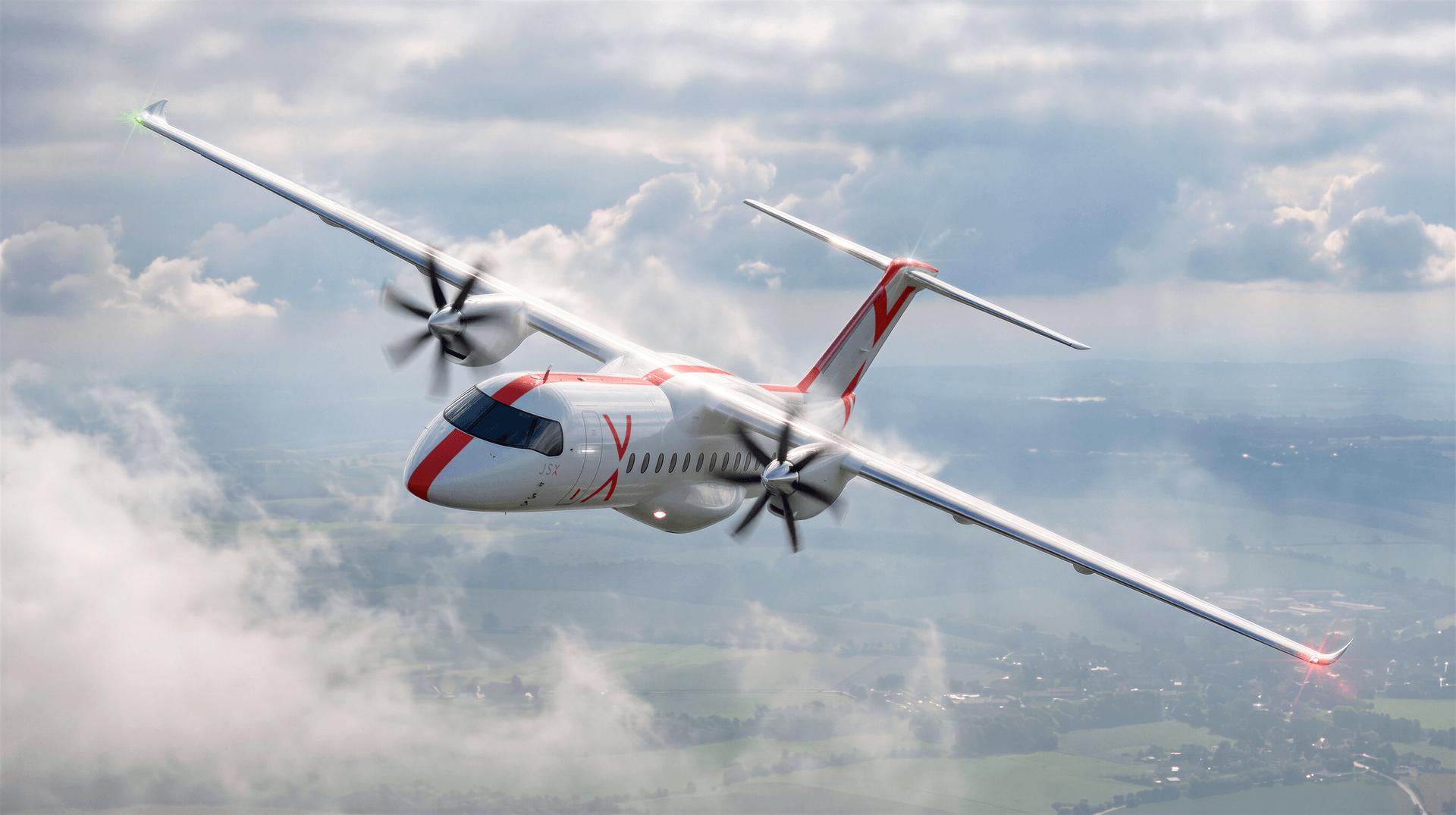
Heart Aerospace has replaced its 30-seat ES-30 design with the ES-36, a 36-seat hybrid-electric regional airliner revealed on 23 September 2026. Launch customer JSX turned its 2023 letter of intent into a deposit-backed order for 50 aircraft, with purchase rights for 50 more.
The ES-30's four-nacelle independent-hybrid arrangement combined two turboprops with two electric propulsors. The ES-36 instead has two series-hybrid powertrains. In each, a 1.65 MW electric motor turns the propeller and a dedicated megawatt-class turbogenerator supplies electrical power on longer flights. Heart says the redesign retains the previous maximum takeoff weight and battery capacity while adding six seats and 1,415 lb of payload capacity.
Heart quotes 200 km (125 mi) of all-electric range and 1,200 km (745 mi) in hybrid mode, both with reserves. Its previous ES-30 targets were 200 km electric and 800 km hybrid. Wingspan falls to 29 m (95 ft), about 3.4 m shorter than the prior design. The company targets a pre-production ES-36 first flight in the second half of 2028 and FAA Part 25 certification followed by entry into service in 2031. These remain design and programme targets, not approved performance or regulator-committed dates.
Heart attributes the redesign to lower drag, a smaller wing, fewer propulsion components and simpler hybrid-system integration. Its earlier four nacelles did not contain four identical electric drive trains: two housed turboprops and two electric propulsors. The new arrangement reduces the number of nacelles while introducing a generator and electric motor into each of the two powertrains. Maintenance savings and aircraft-level drag reduction are company expectations that will need operating and test evidence.
With two propellers, loss of one thrust-producing channel has a larger immediate effect on available propulsive thrust than a comparable loss in a four-propulsor arrangement. The relevant Part 25 evidence will include one-engine-inoperative takeoff and climb performance, common electrical failure modes and the behaviour of each series-hybrid channel. The published 1.65 MW motor rating does not by itself establish compliance with those requirements.
In a series hybrid, the turbogenerator produces electricity rather than mechanically driving the propeller. Heart specifies a generator in each powertrain, with batteries supplying the all-electric mission and the generators extending range when needed. The installed fuel, battery and electrical-system masses determine the resulting payload and reserve trade. For the battery side of that calculation, see What Today's Batteries Can and Can't Do.
The redesign lands a month after Heart's full-scale X1 battery-electric demonstrator made a 27-minute first flight from Plattsburgh, New York, on 12 August 2026. X1 was built around the ES-30 program, so the next thing to watch is how Heart carries those test results over to a two-propeller layout.
Heart identifies Santa Monica, Westchester County, Naples and Napa Valley as community airports JSX already serves where the ES-36 could support expanded service. It has not announced specific ES-36 routes from those airports. Heart also reports earlier aircraft commitments from United Airlines and Air Canada, but its 23 September announcement did not specify how those agreements transfer from the ES-30 to the ES-36.
Heart continues to target 2031 for Part 25 certification and entry into service. With first flight planned for the second half of 2028, the available period for flight testing, conformity, propulsion-system compliance and regulator findings will depend on how mature the two-powertrain design is before the first pre-production aircraft flies. The FAA has not committed to Heart's target date.
Evidence note: Configuration, range and schedule figures are Heart's 23 September 2026 disclosures, not demonstrated ES-36 performance or FAA commitments. JSX's 50-aircraft order is deposit-backed, with purchase rights for a further 50; deliveries have not occurred. Heart reported that X1 flew under an FAA Experimental-category special airworthiness certificate.
Sources: Heart Aerospace, ES-36 and JSX announcement, 23 September 2026; FLYING, 23 September 2026; Aviacionline, 23 September 2026; Heart Aerospace, X1 first flight, 13 August 2026. Image: Heart Aerospace.