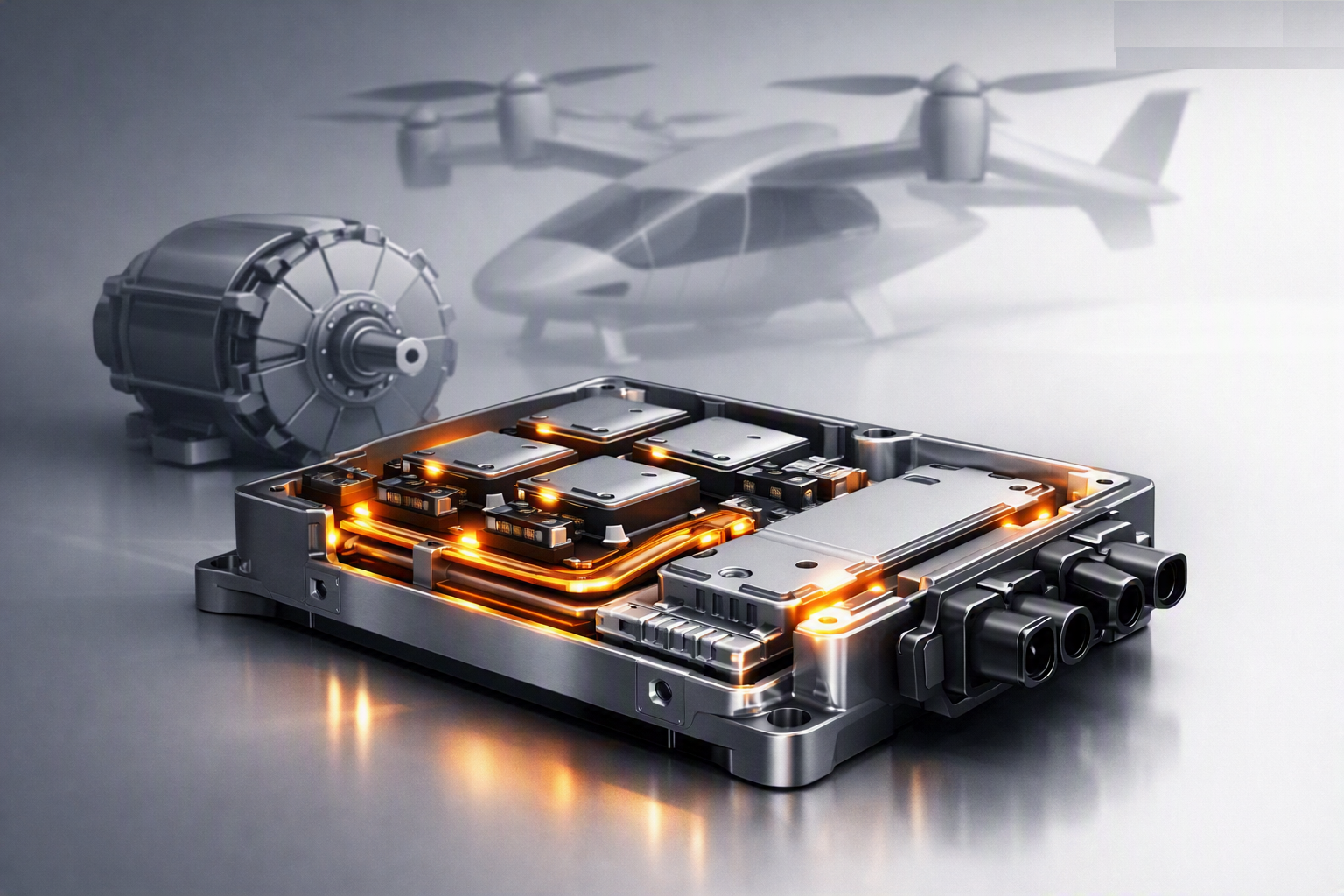
Technical intelligence on propulsion, batteries, motors, power electronics and aircraft systems.
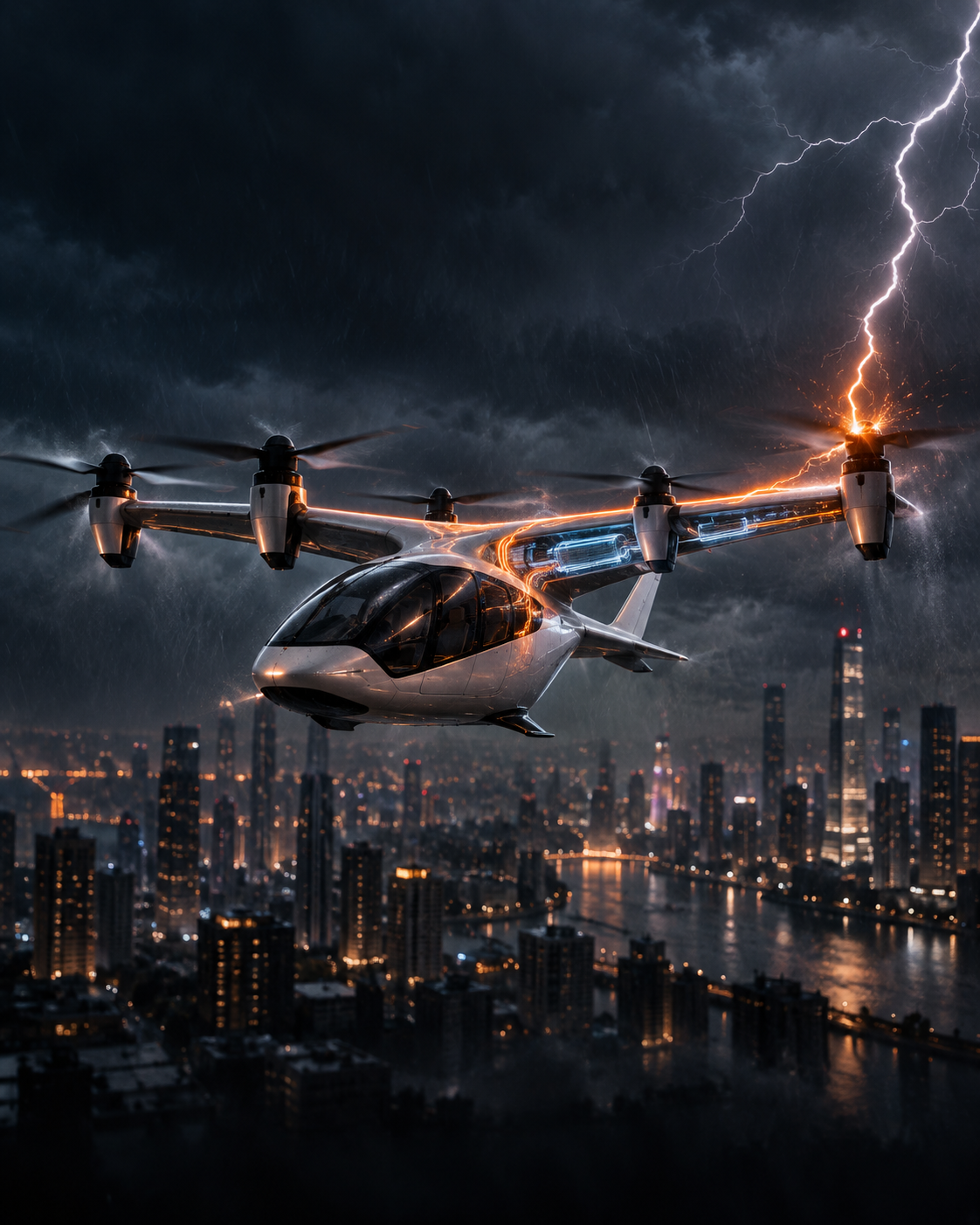
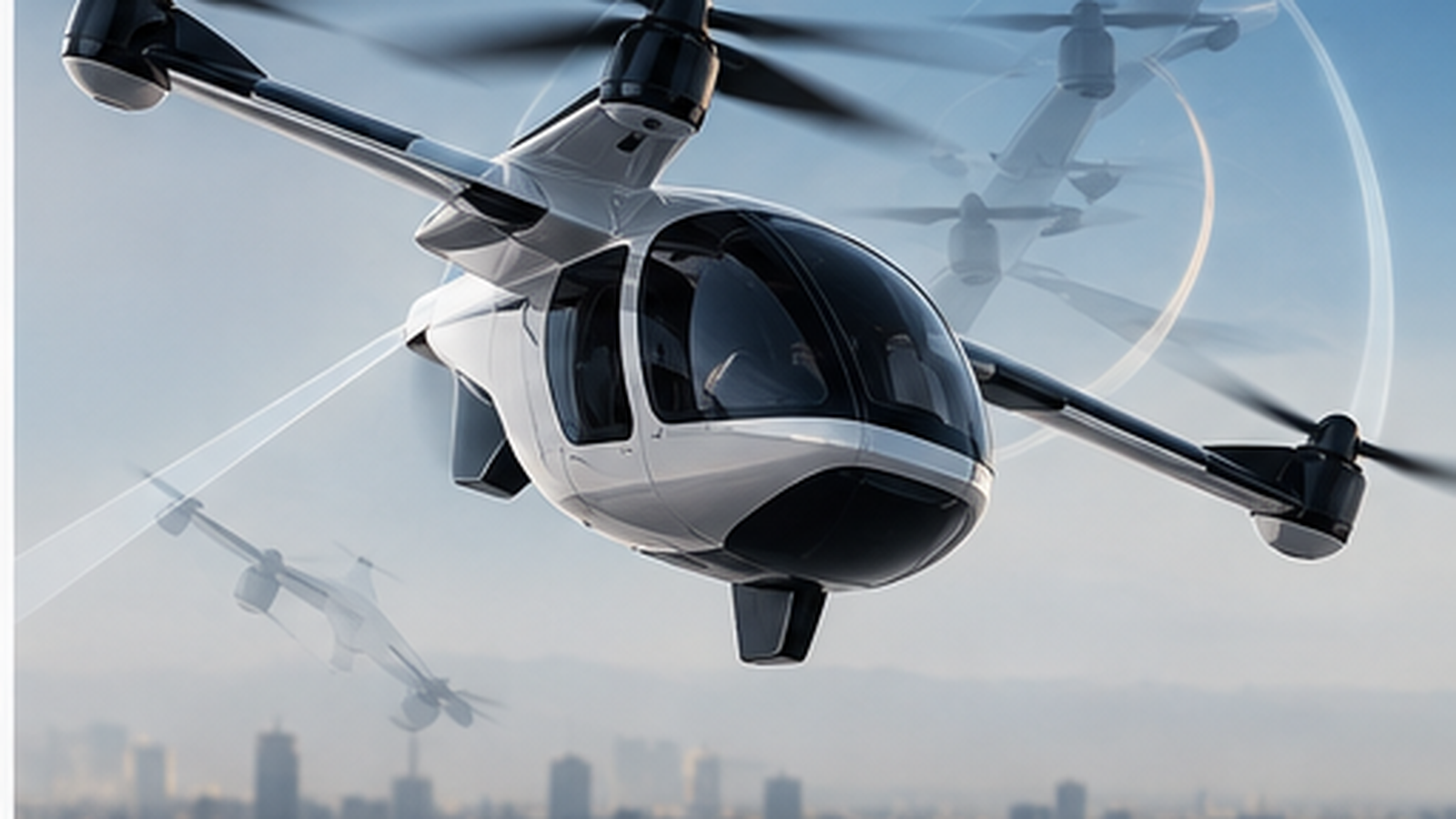
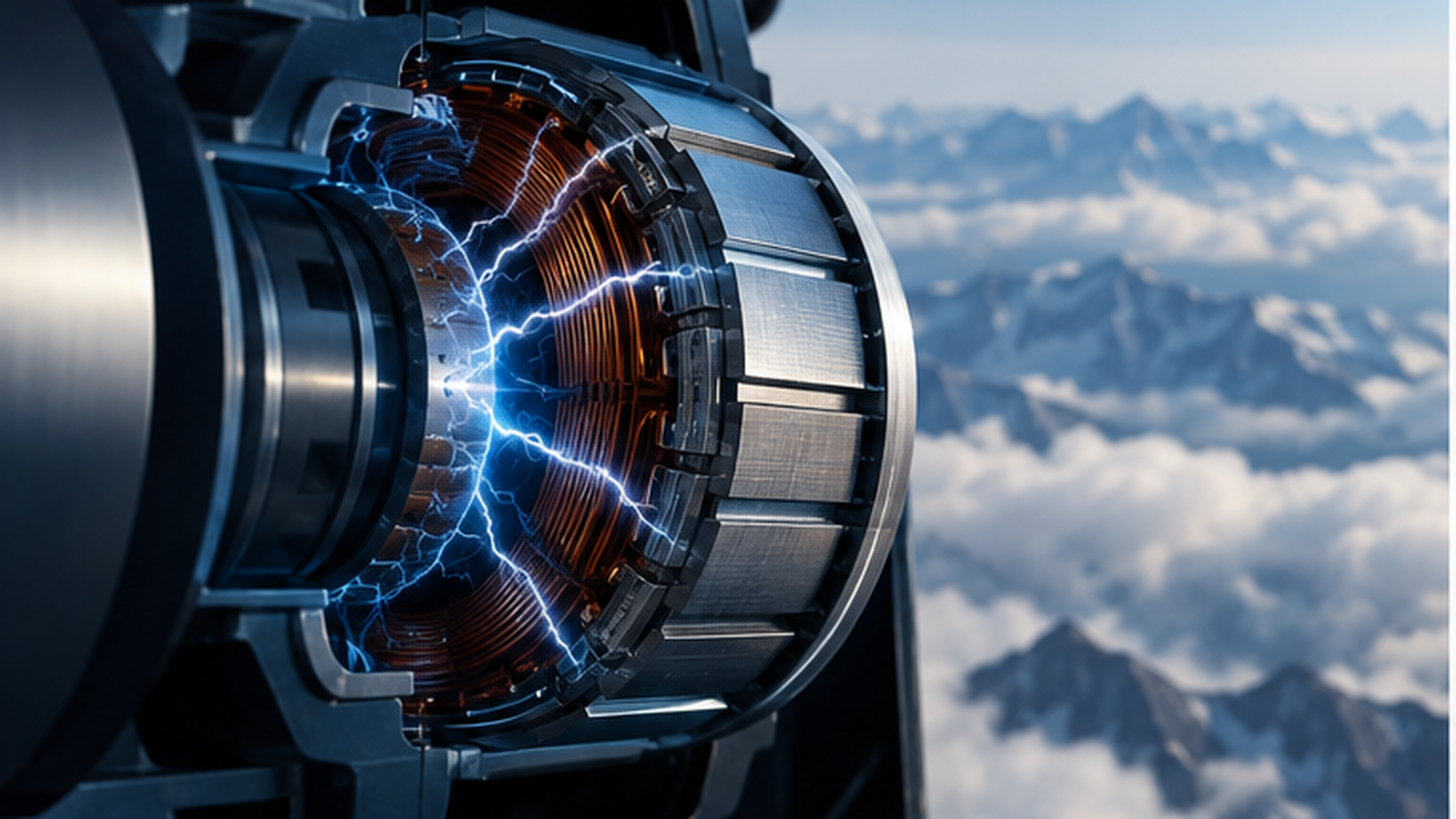
Carbon-fibre airframes, floating high-voltage batteries and many boom-mounted motors make lightning an architecture problem for eVTOL and electric aircraft. This explainer covers zoning, direct and indirect effects, rotor and bearing current paths, HV-bus transients and why a strike is a common-cause event for distributed propulsion.
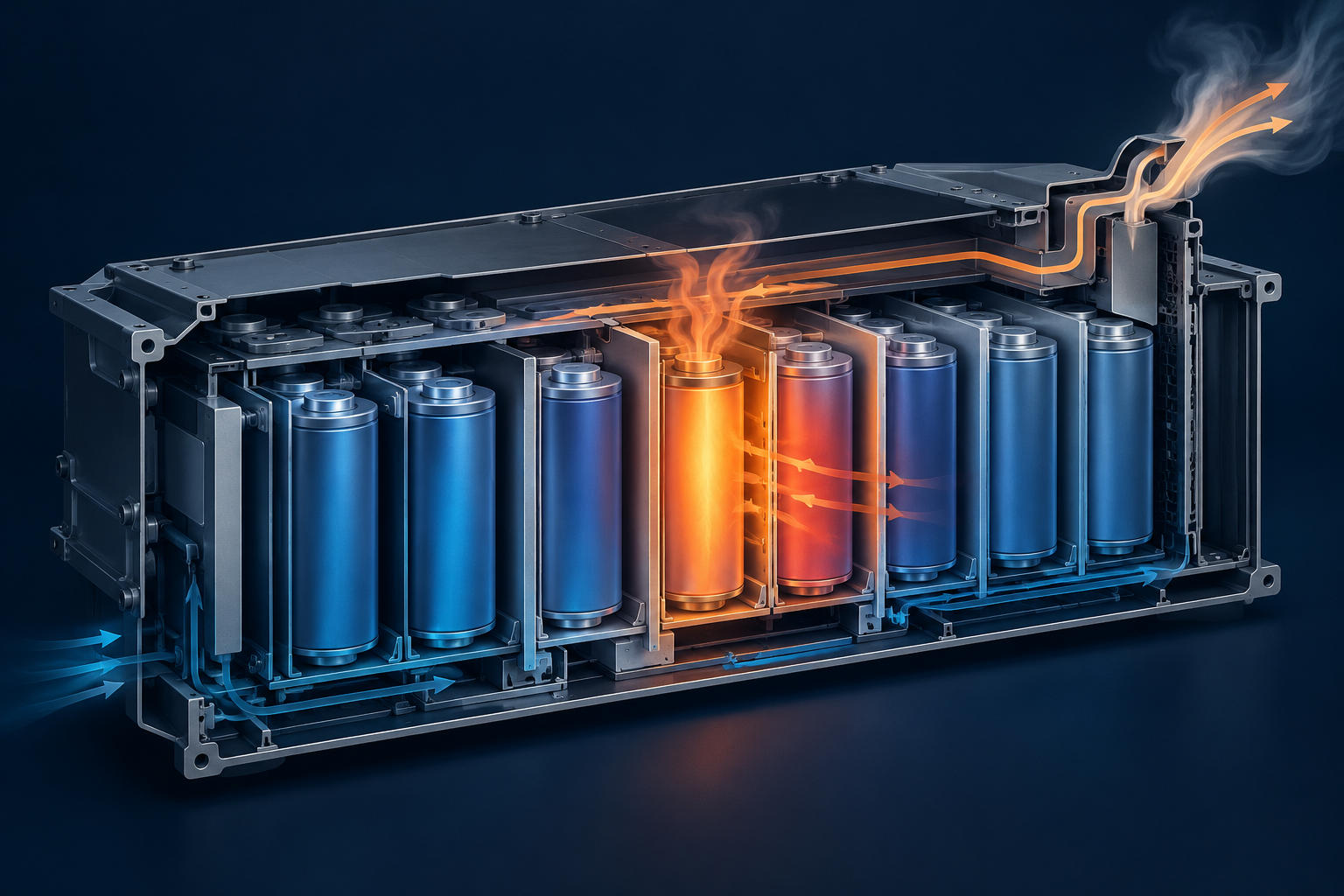
A failed lithium-ion cell can heat neighbouring cells, vent flammable gases and threaten essential aircraft systems. This explainer examines propagation barriers, designed venting, DO-311A and EASA's propulsion-battery test approach, with the limits of early detection and certification evidence.
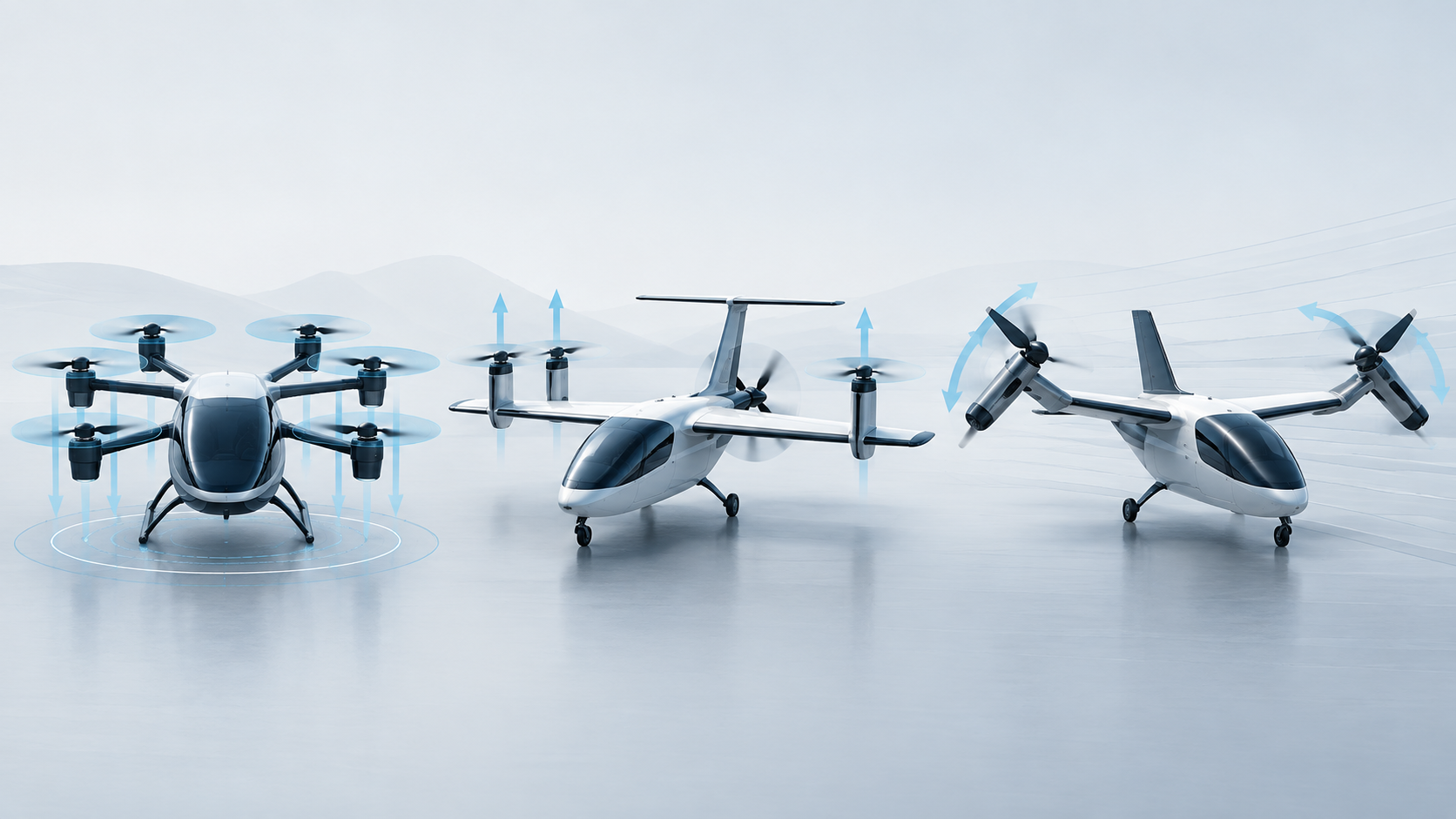
Multicopter, lift + cruise and vectored-thrust aircraft allocate hover and cruise propulsion differently. Compare their disk-loading, wing-lift, installed-mass, transition and failure-analysis trade-offs without treating manufacturer targets as like-for-like results.
On some multirotor eVTOL configurations, rotor-speed changes are primary flight-control inputs. That makes transient motor torque, inverter current limits, battery voltage and thermal state part of handling qualities: steady-state motor power is not enough to describe available control authority.
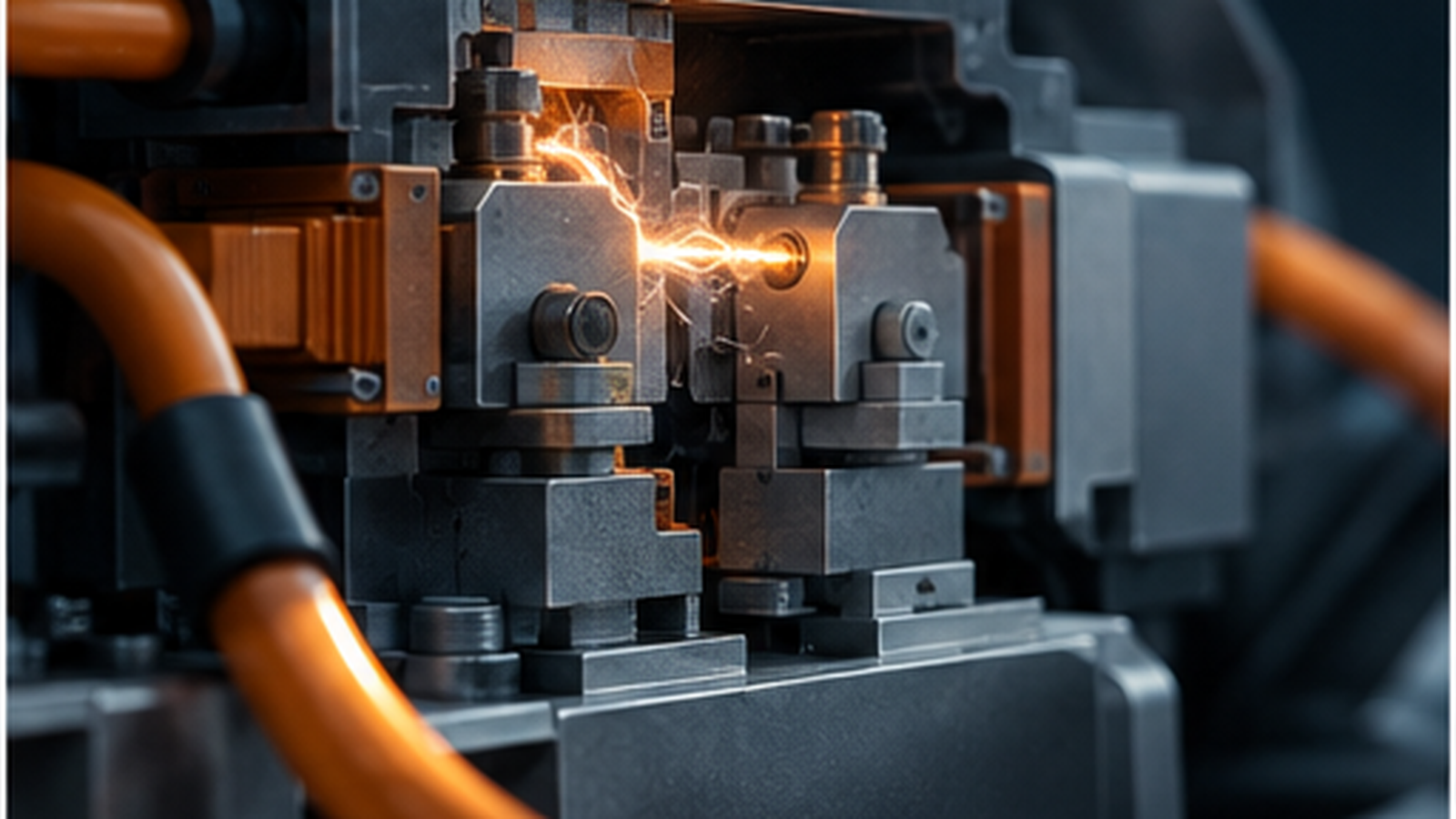
High-voltage DC distribution reduces current for a given propulsion power, but different faults demand different protection. A low-impedance short, a high-impedance fault and a series arc do not present the same electrical signature, and DC fault clearing lacks the natural current zero available in AC systems.
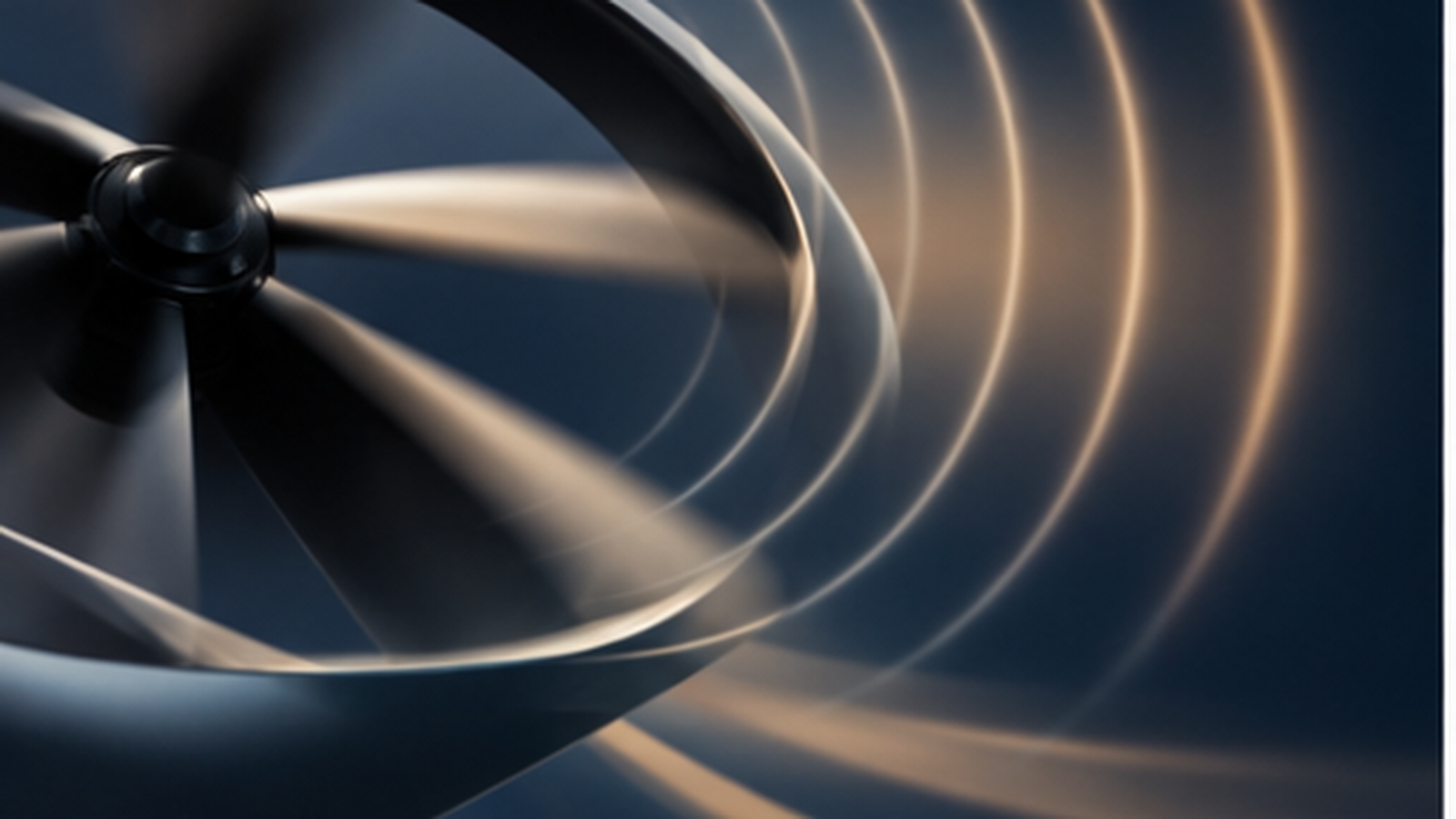
An electric motor can be quiet while its rotor is not. eVTOL community noise is shaped by blade-passing tones, tip speed, aerodynamic loading, broadband turbulence and interactions between multiple rotors and the airframe, making acoustics a propulsion-system design variable rather than a motor-noise problem.
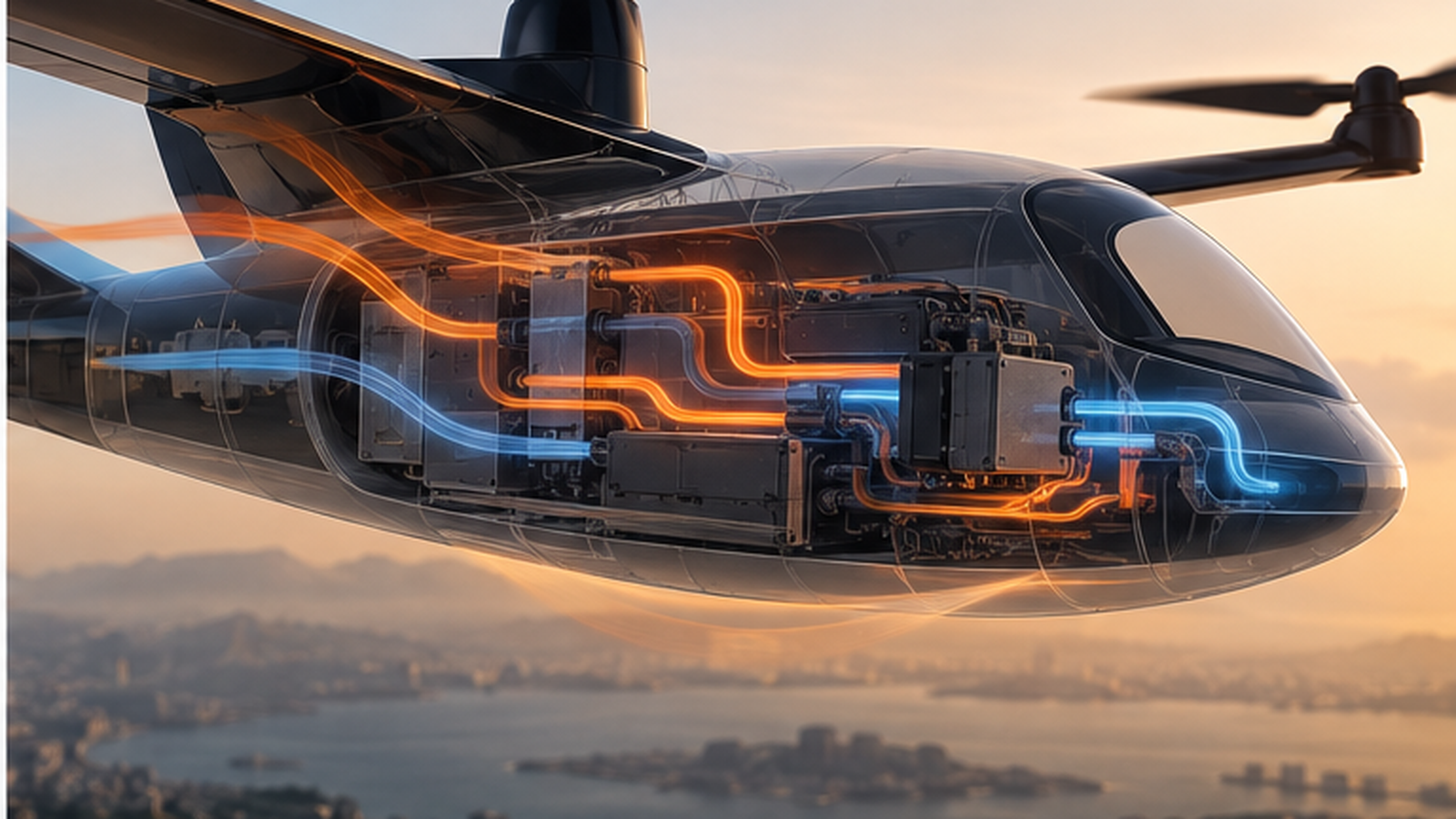
Electric motors and inverters can be highly efficient and still reject kilowatts of heat at eVTOL power levels. Hover, cruise, charging and turnaround expose the aircraft to different heat loads and cooling conditions, so thermal management has to be optimized over the mission rather than around a single peak temperature.
Higher DC-bus voltage can reduce current and conductor mass in electric aircraft, but it also raises the electric-field stress on motors, cables, connectors and power electronics. At altitude, partial discharge and insulation ageing become aircraft-level propulsion constraints rather than component details.
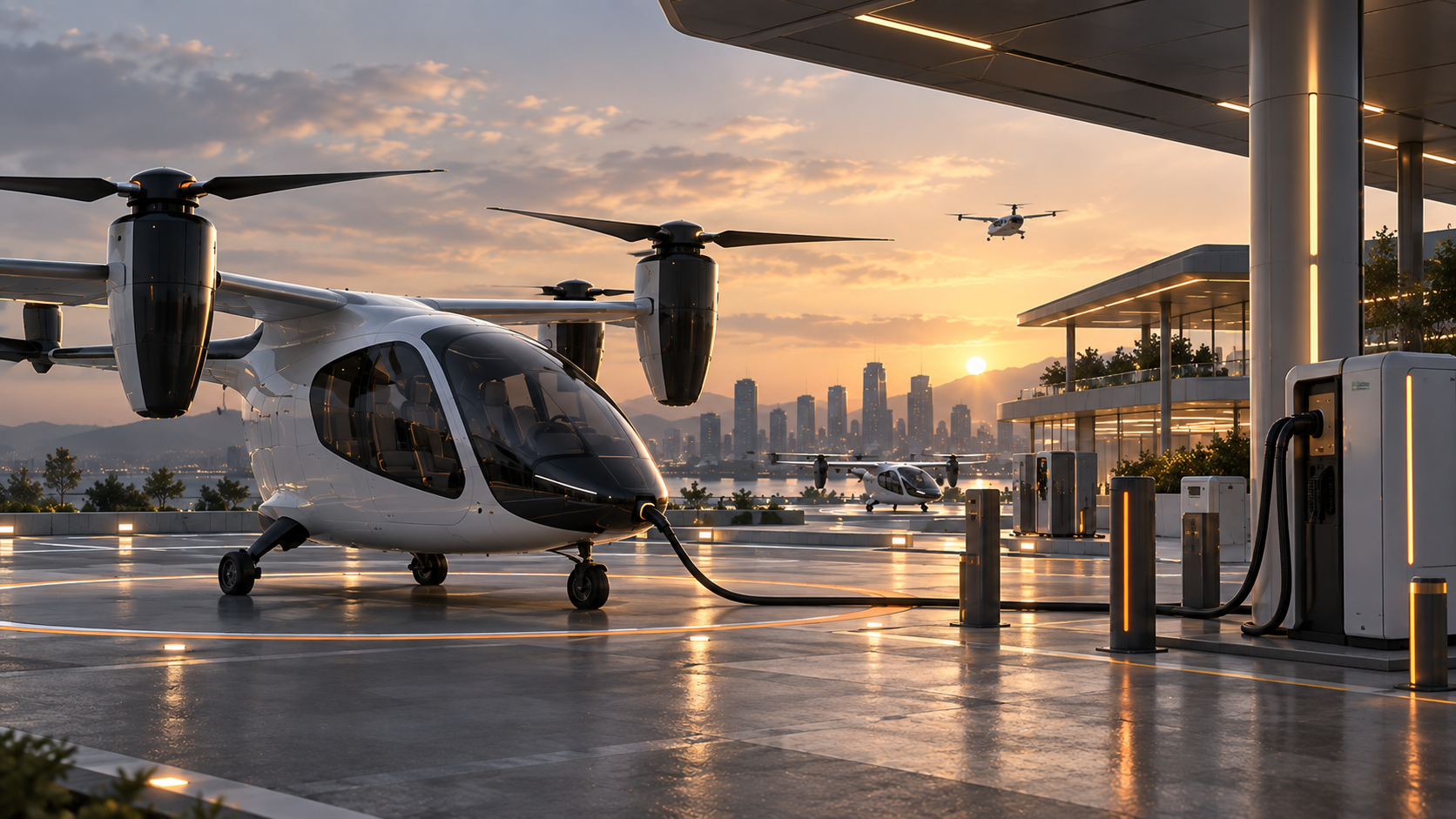
Pad geometry is only the visible part of a vertiport. Aircraft footprint, charging power, thermal management, parking, passenger flow and airspace determine how much useful operation the site can support.
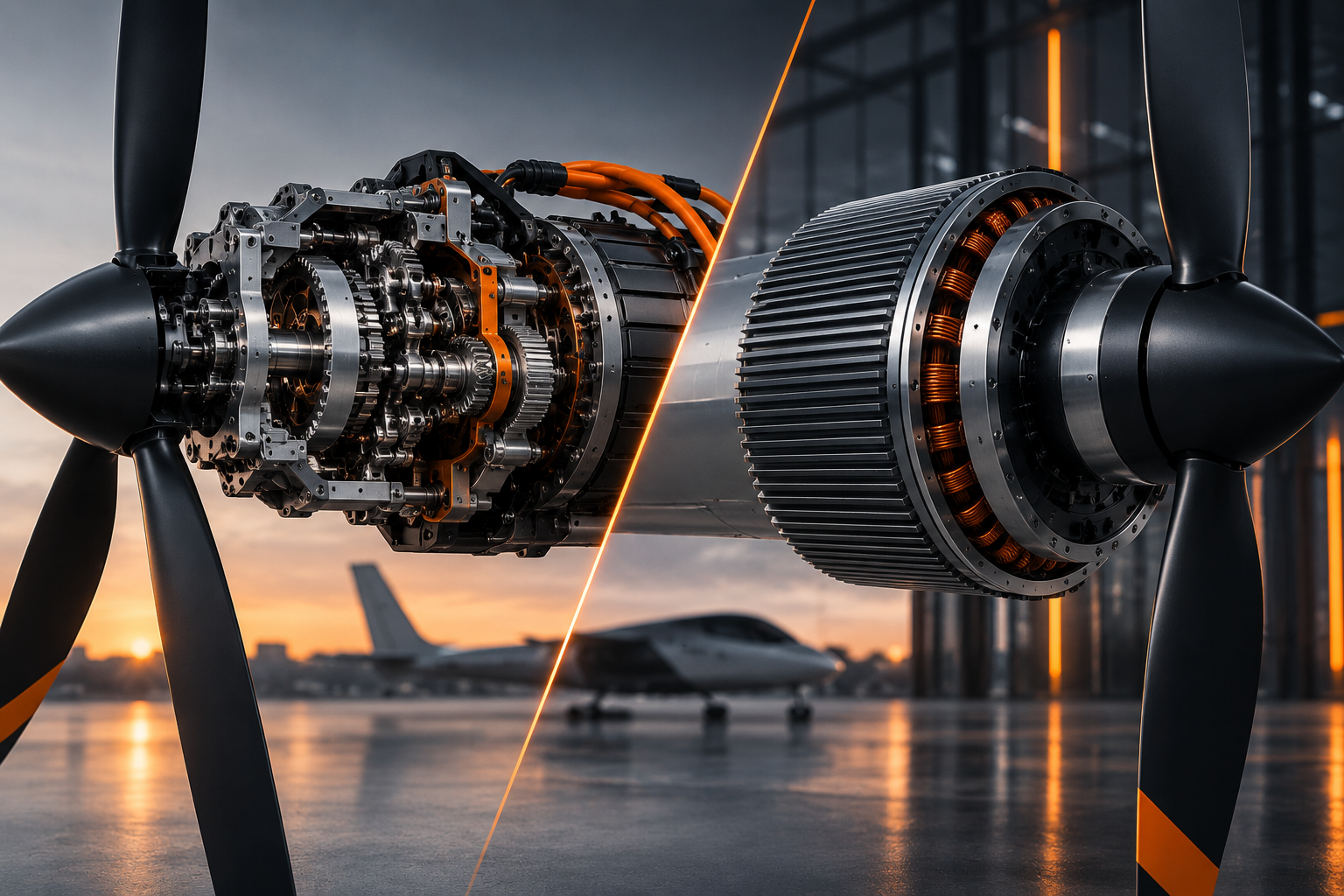
A gearbox adds loss, lubrication and failure modes, but can let an aircraft propeller turn slowly while its electric motor runs faster, smaller and closer to its efficient operating region. The useful comparison is total installed propulsion mass and loss, not motor simplicity alone.
Joby, Archer and Beta distribute propulsion and failure isolation differently. Rotor count describes the layout; redundancy depends on residual thrust, controllability and the independence of motors, inverters, buses, batteries, cooling and controls.

Battery replacement economics depend on duty cycle as much as headline cycle count. Depth of discharge, charge rate, temperature, end-of-life criteria and mission profile determine how laboratory cycling translates into eVTOL fleet life.
eVTOL propulsion power is distributed across multiple motors, so total aircraft power and individual motor rating are different quantities. Hover power can reach hundreds of kilowatts or more depending on weight, disk loading and architecture; there is no universal sub-megawatt rule.
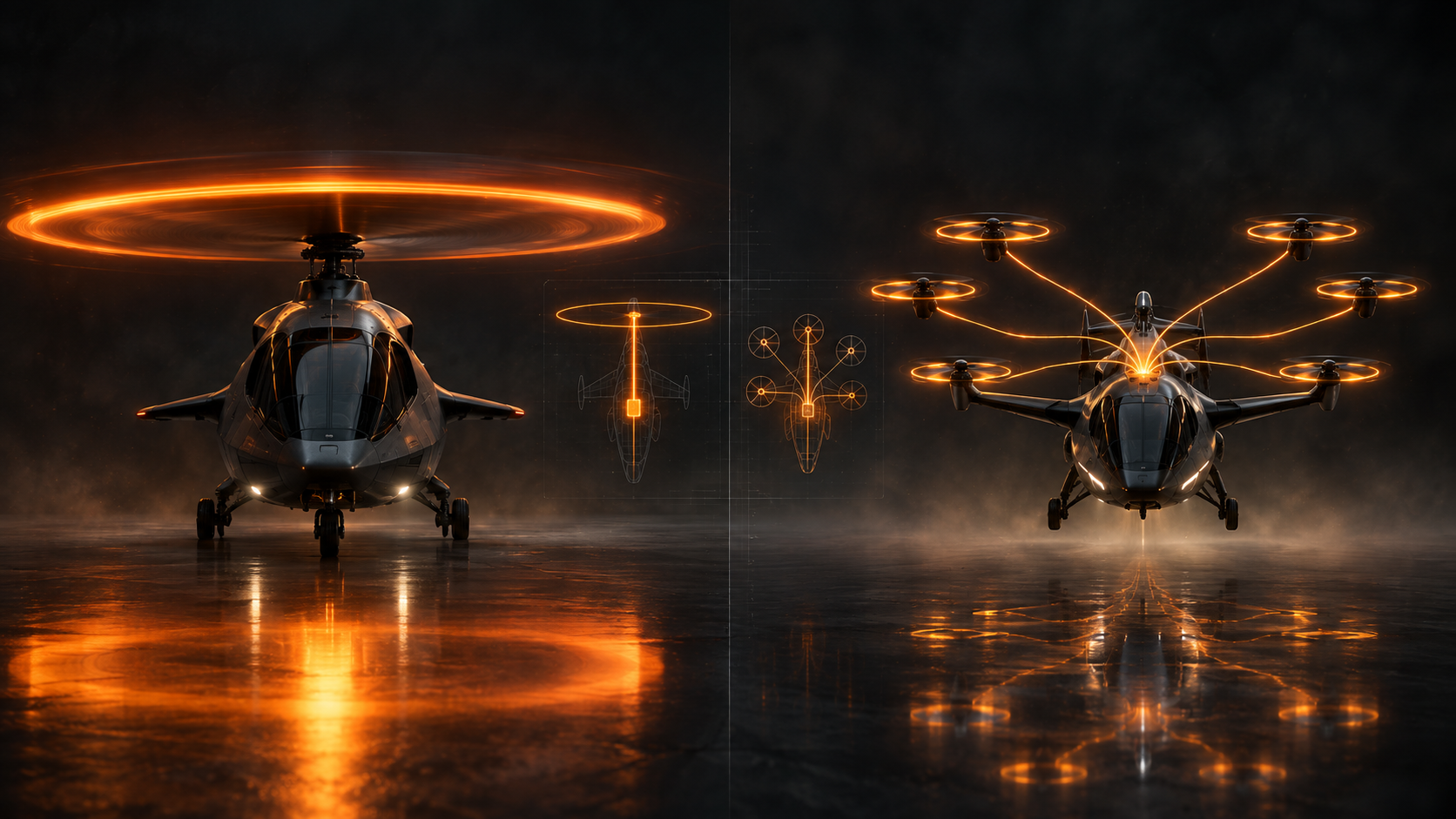
Radial- and axial-flux motors package magnetic loading differently. For eVTOL propulsion, redundancy, thermal management, manufacturability, rotor speed and aircraft integration can outweigh a motor-level torque-density advantage.

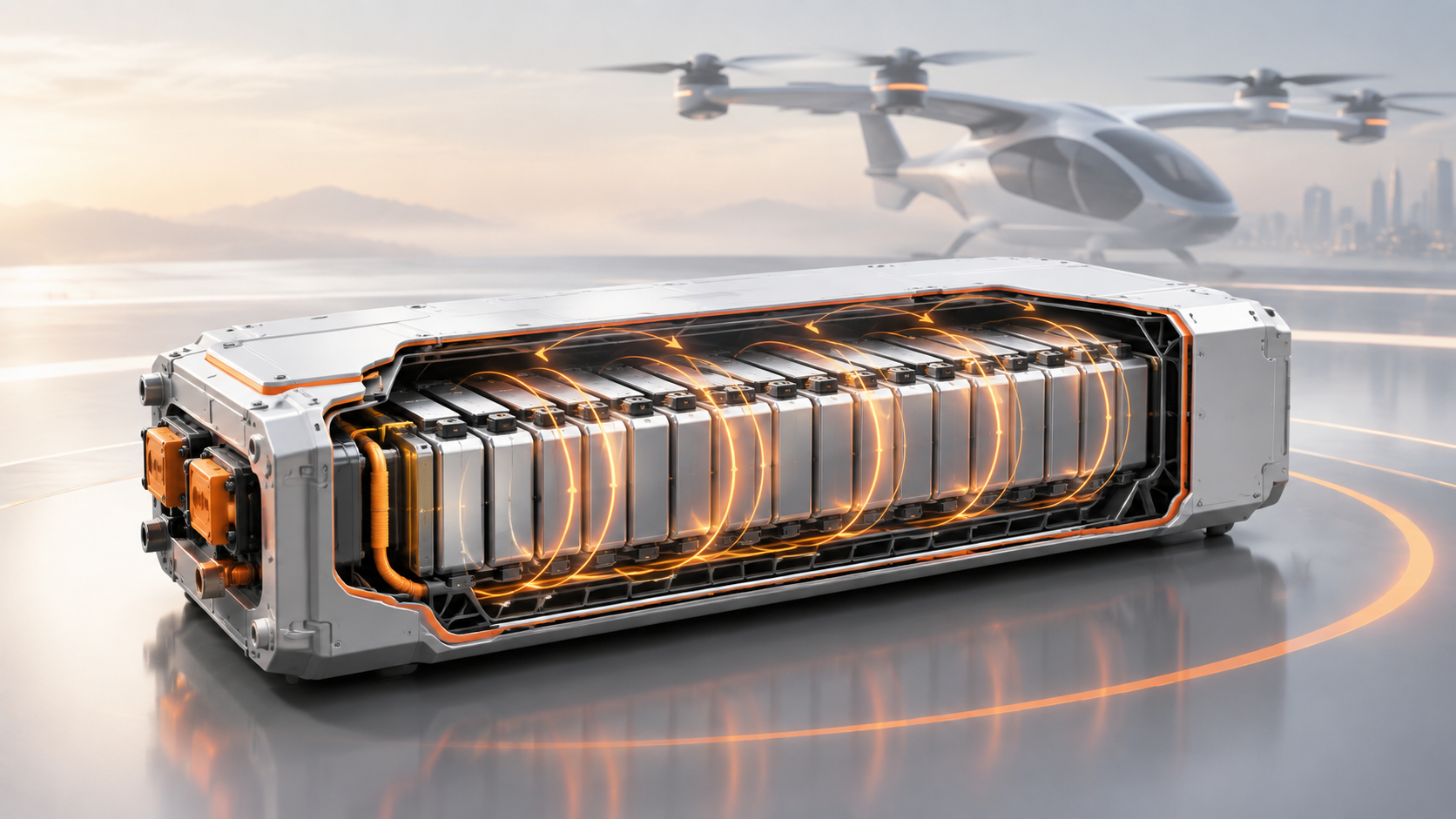
Battery specific energy constrains eVTOL range and payload, but cell-level Wh/kg does not equal installed pack performance. Structure, thermal management, reserves, discharge power, cycle life and certification margins determine usable aircraft-level energy.
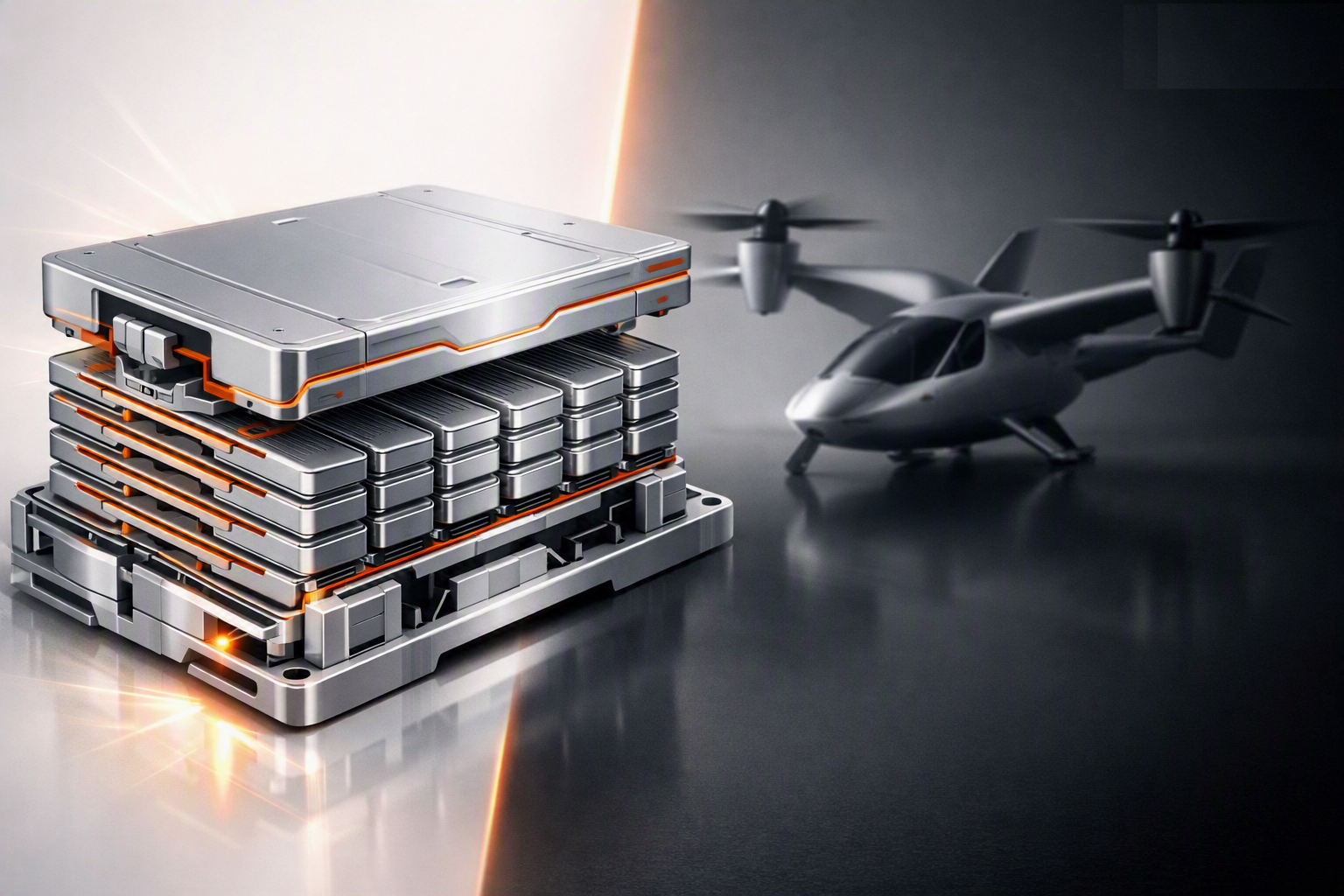
Inverters and motor controllers sit between the battery and motors. Their mass, switching losses, thermal design, insulation and fault tolerance can constrain propulsion even when semiconductor conversion efficiency is high.