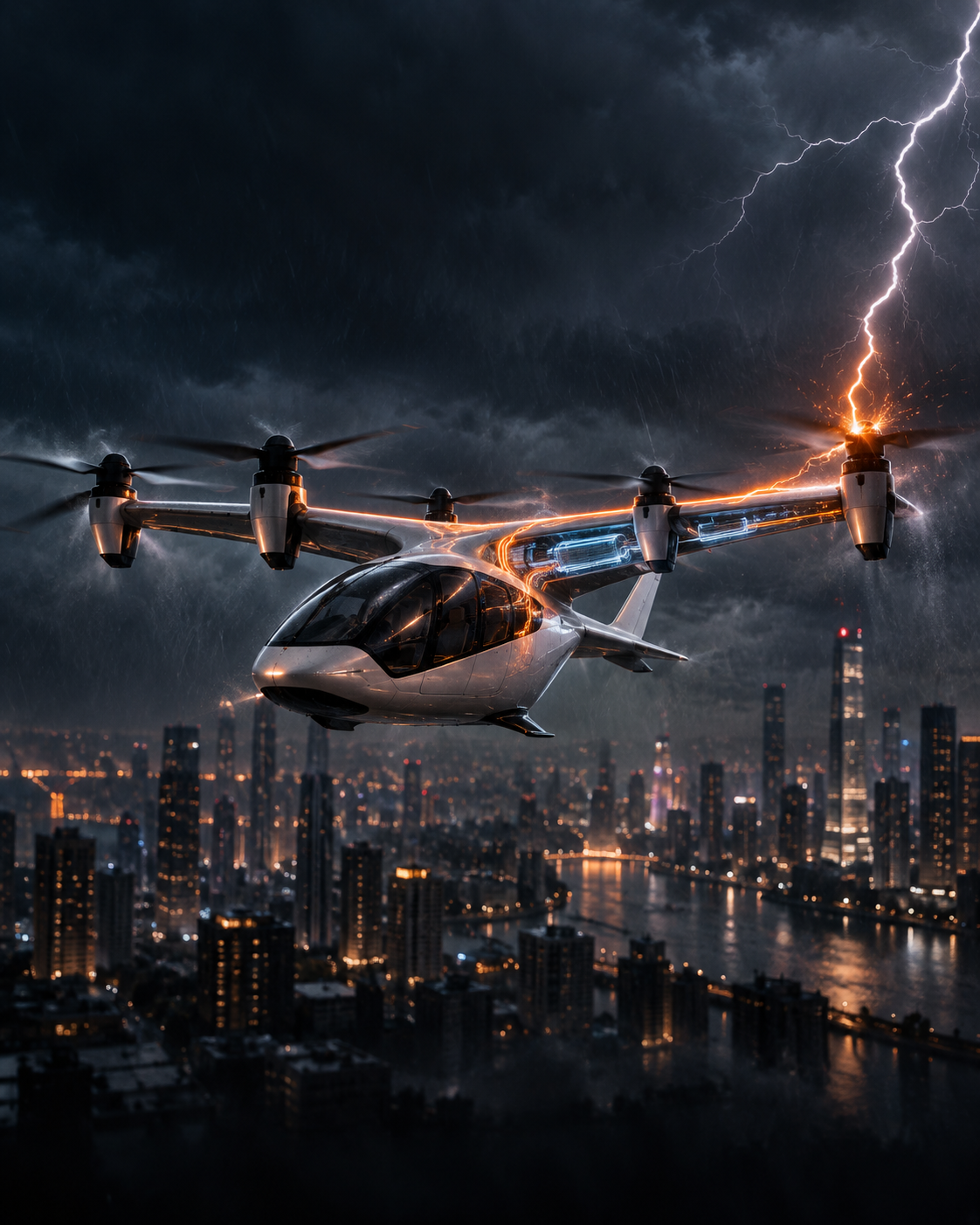
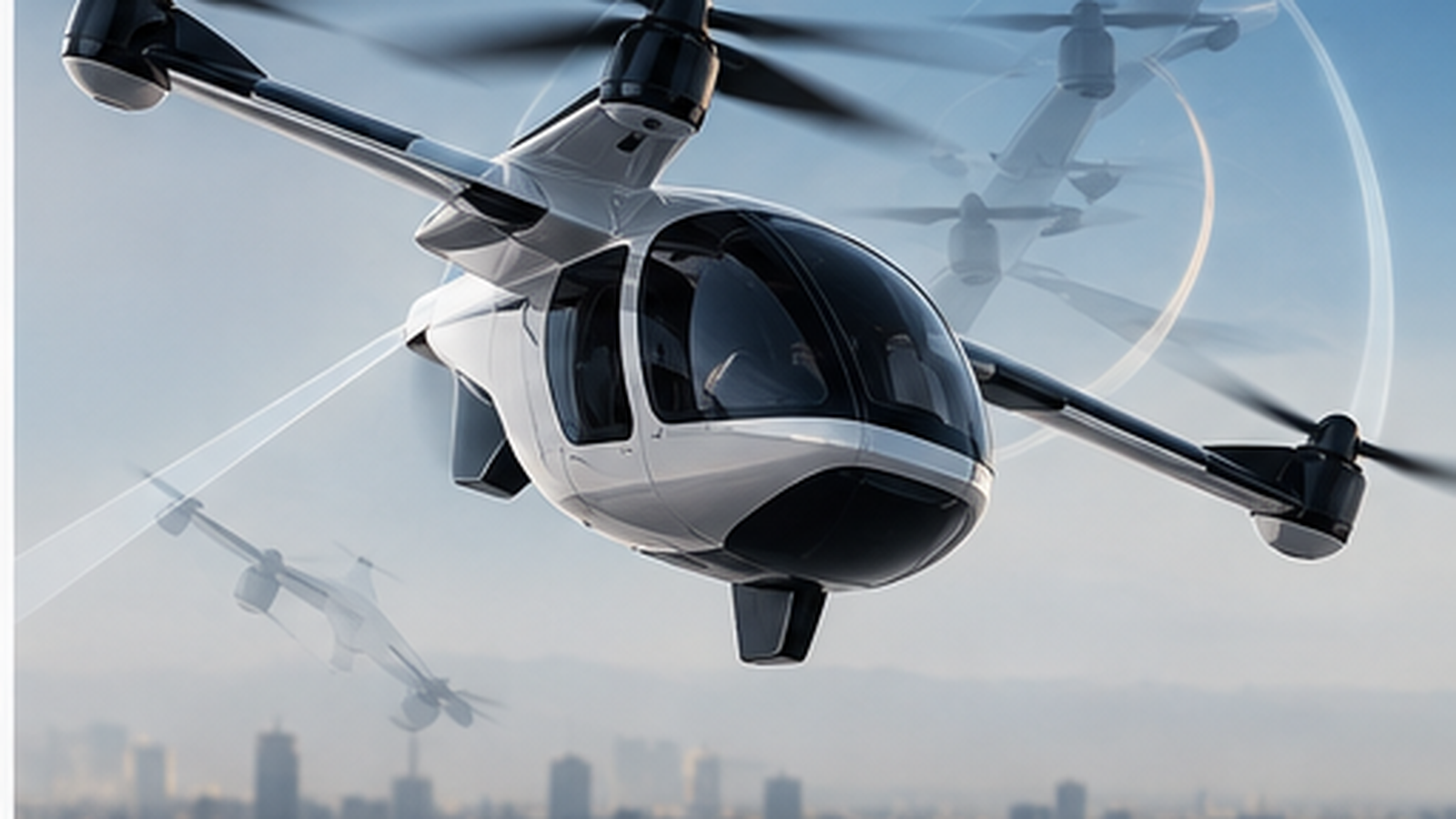
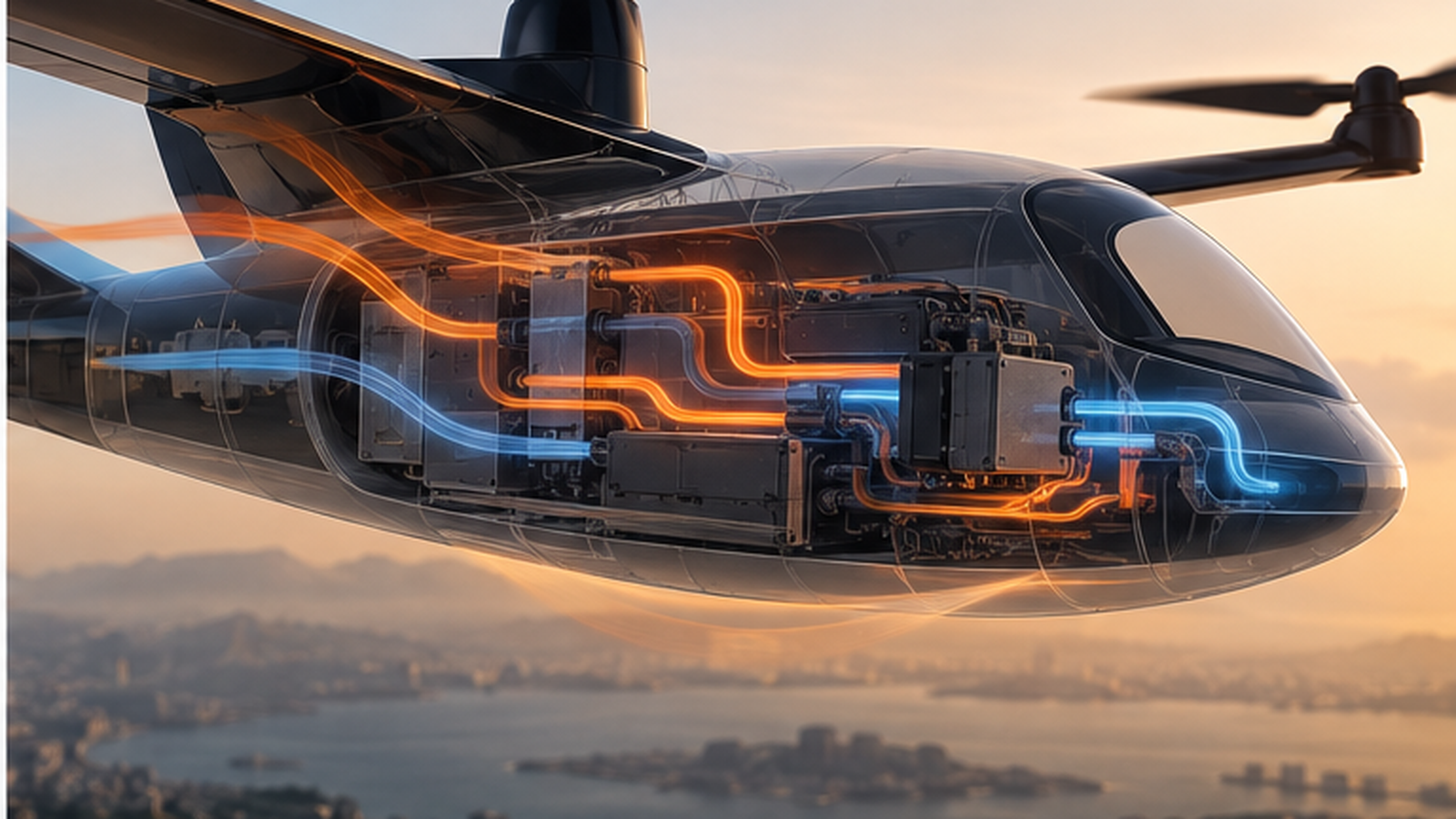
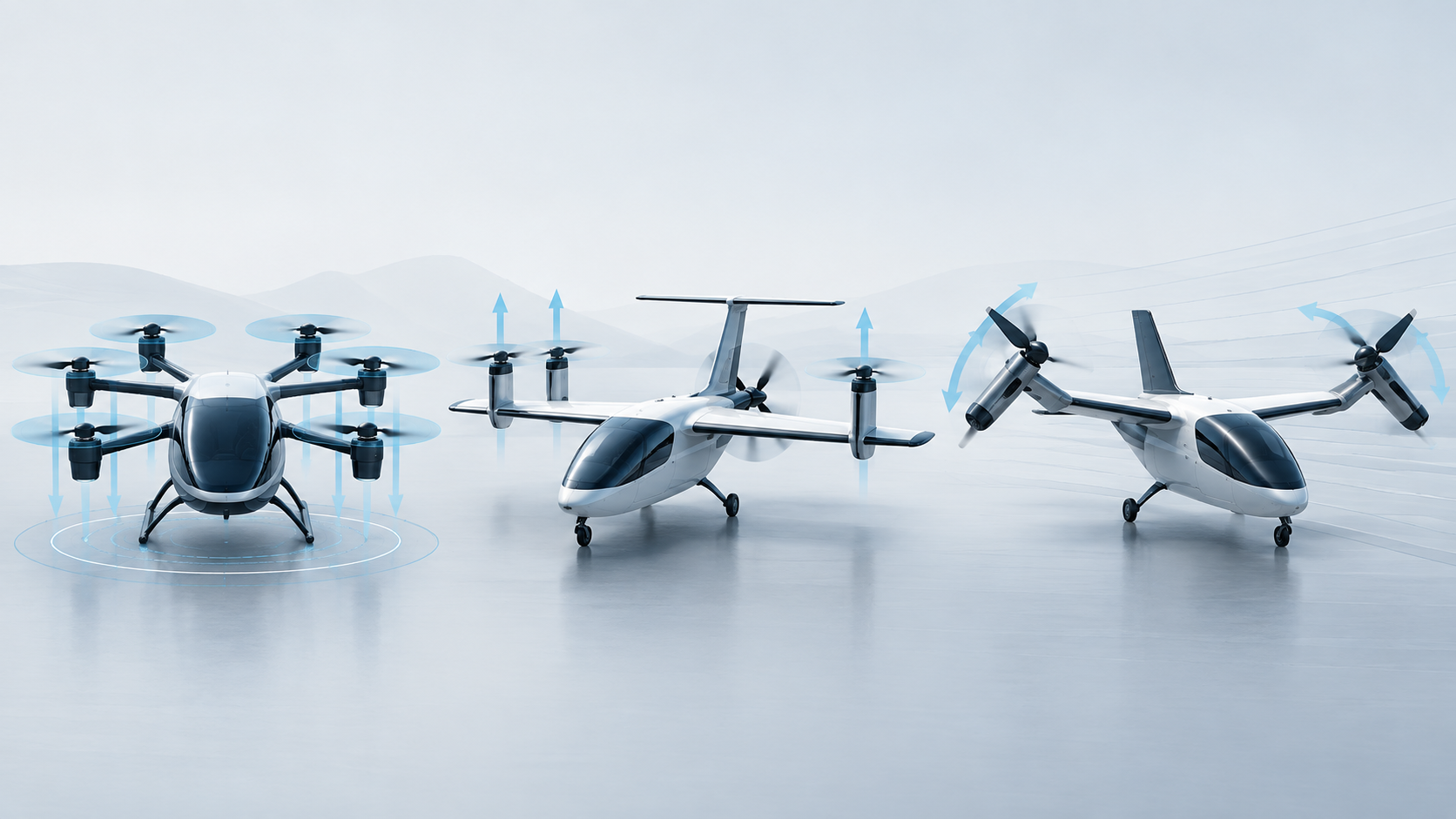
eVTOL propulsion power is distributed across multiple motors, so total aircraft power and individual motor rating are different quantities. Hover power can reach hundreds of kilowatts or more depending on weight, disk loading and architecture; there is no universal sub-megawatt rule.
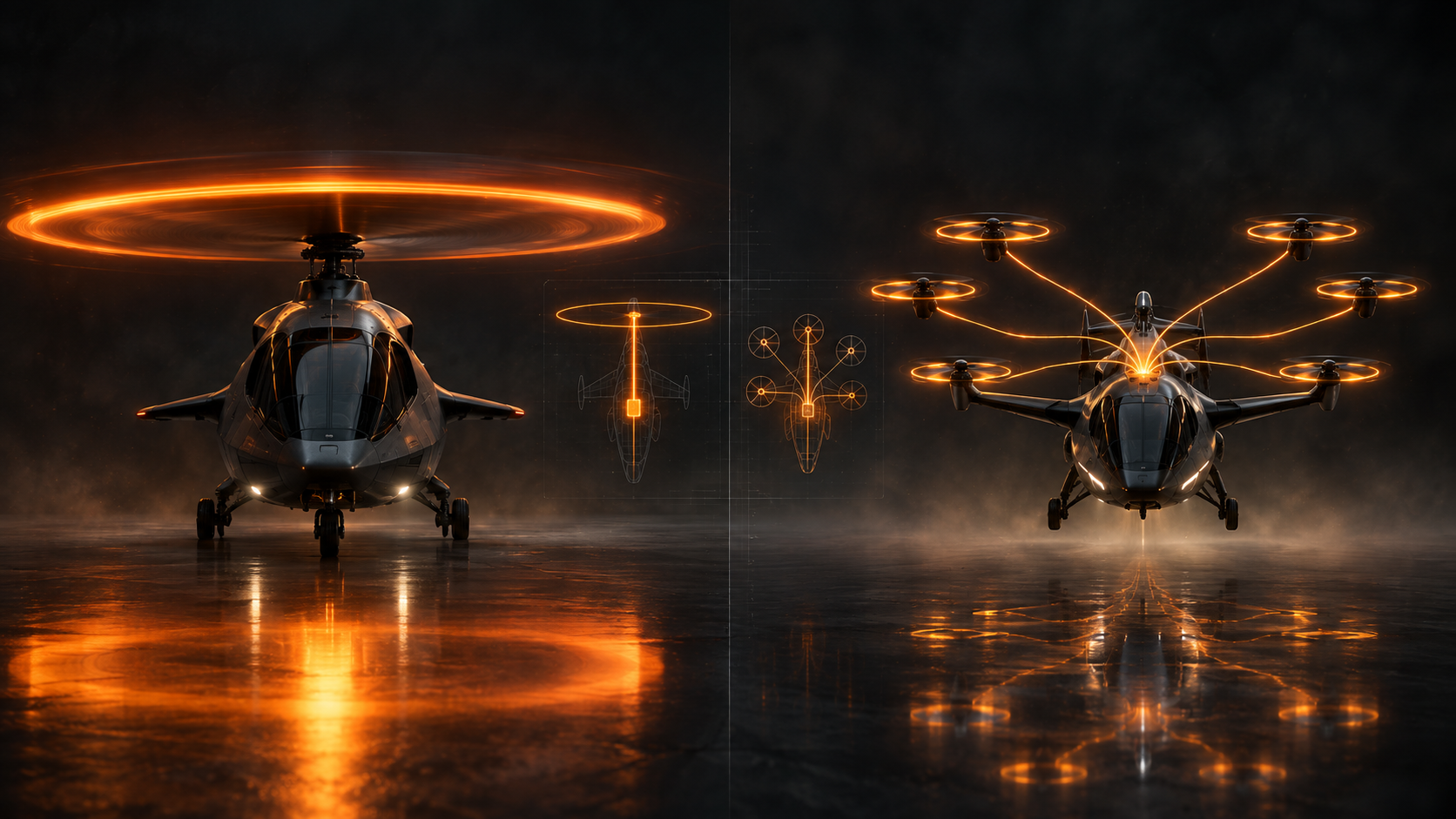
~400 kW — NASA reference total hover power, six-passenger quadrotor ~600 kW — NASA reference total hover power, six-rotor configuration 200 kW — NASA's top reference power for a single motor unit in this class 236 kW peak — Joby-published figure for a motor on a tilting-hexacopter demonstrator 672 kW — Archer's Maker demonstrator, specified max battery pack power output
Total aircraft electrical power and individual motor rating are different quantities. Distributed propulsion can place several motors in the hundreds-of-kilowatts class on an aircraft whose combined peak power is materially higher.
Published complete-aircraft peak and continuous power data, plus how developers allocate that power across propulsion units and failure cases. Megawatt-class individual motors remain especially relevant to larger electrified aircraft.
Electric VTOL power figures are easy to misread because three quantities are often mixed together: total aircraft electrical power, shaft power delivered to all propulsors, and the rating of one motor. Distributed propulsion deliberately separates the last of these from the first two.
NASA reference studies for urban-air-mobility configurations show hover-power requirements in the hundreds of kilowatts for particular aircraft assumptions. If that power is shared across several propulsion units, each motor carries only part of the total. Joby has also published test information for motors in the hundreds-of-kilowatts class.
Those examples do not justify a universal claim that eVTOL aircraft “do not need megawatts.” Total installed or peak electrical power depends on aircraft mass, rotor area, propulsive efficiency, climb requirement, reserves and architecture. Some designs can approach or exceed a megawatt at aircraft level even though no individual motor is rated at a megawatt.
For a given weight, increasing total rotor disk area allows the aircraft to generate lift by accelerating a larger mass of air by a smaller velocity increment. In ideal momentum theory, that reduces induced power. Compact lift systems with high disk loading generally pay a hover-power penalty, although installed performance also depends on rotor efficiency, interference, ducting and other losses.
This is why comparing aircraft by passenger count alone is weak. Two aircraft carrying the same number of occupants can require materially different hover power because their gross mass and lifting geometry differ.
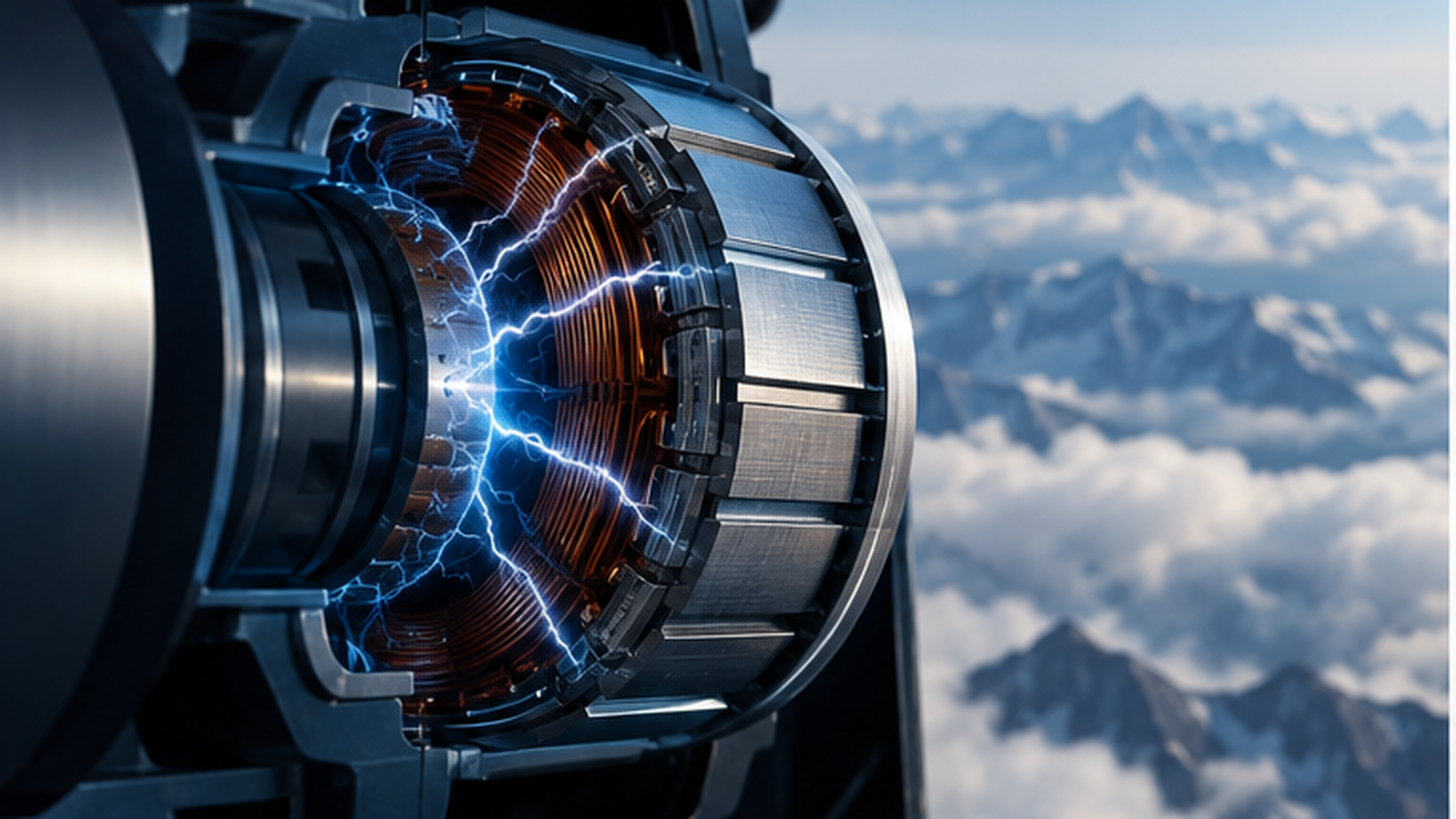
An individual motor must be sized for its required peak and continuous operating points, thermal transient, fault cases and propeller/rotor speed. A high peak rating does not imply that the motor operates at that power continuously. Conversely, dividing a published aircraft-level power figure by rotor count may be wrong if propulsors have different roles or ratings.
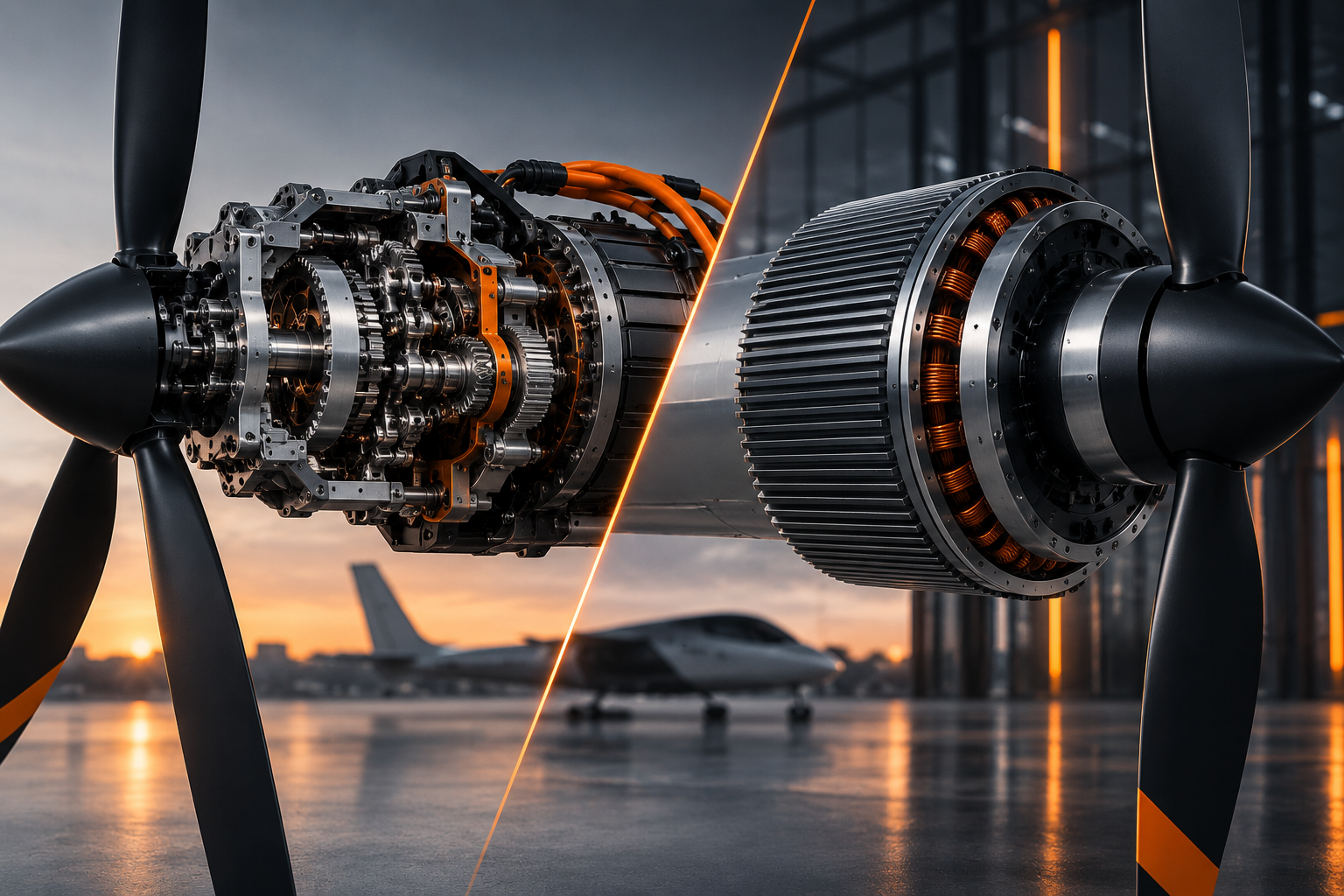
Research programs developing megawatt-class individual motors are particularly relevant to larger electrified aircraft, where concentrating very high shaft power into fewer propulsion units can reduce component count. Current eVTOL architectures more commonly distribute power across several smaller machines, but that is an architectural observation rather than a hard boundary between aircraft classes.
Multiple motors can support fault tolerance, but motor count alone does not prove safe continued flight or landing after a failure. Independence of power sources, inverters, wiring, cooling and controls—and the aerodynamic consequences of asymmetric thrust—have to be assessed. A single large motor is not automatically uncertifiable, just as a multi-motor aircraft is not automatically fail-safe.
For the architecture-level trade, see Distributed Electric Propulsion.