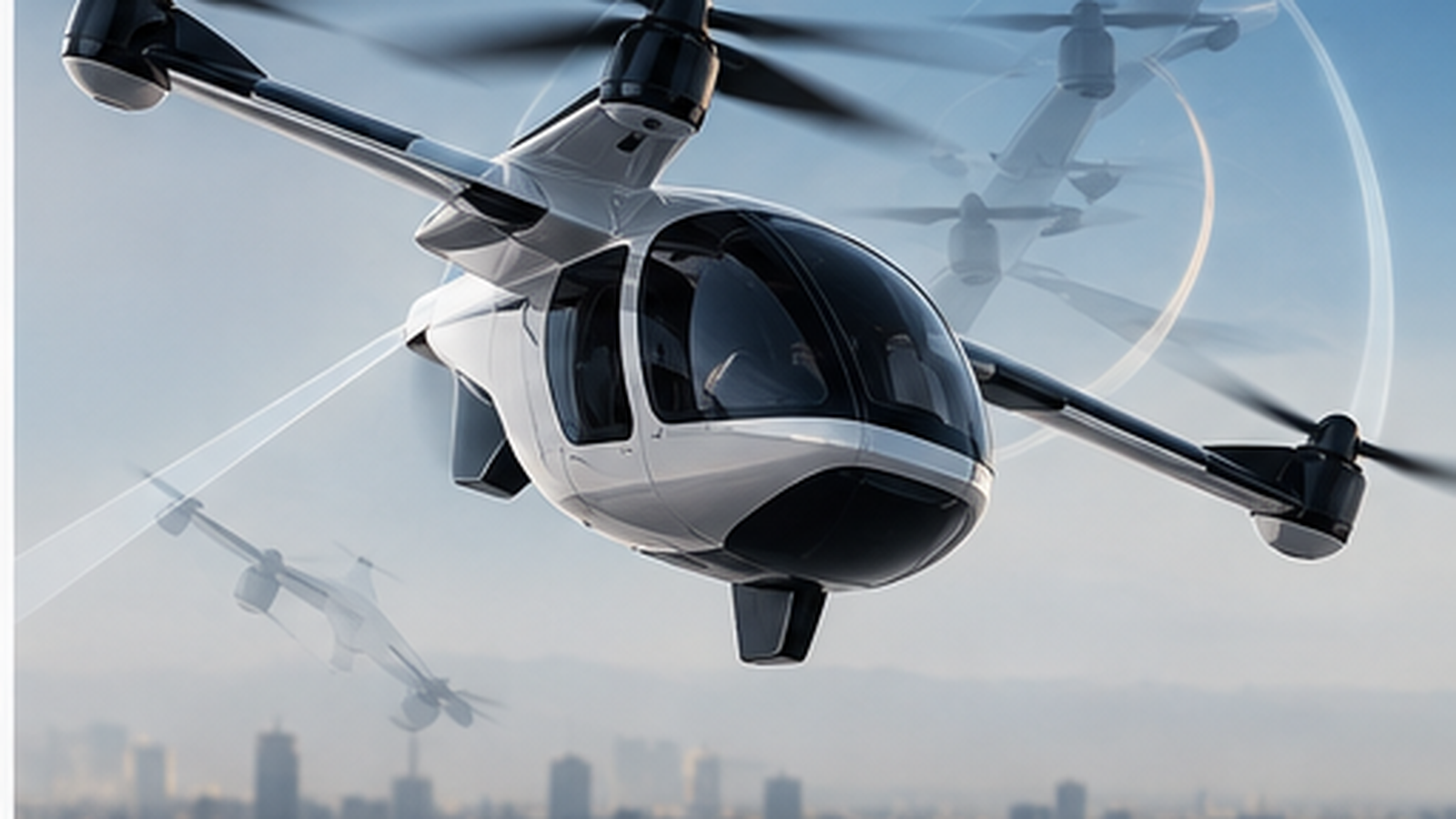
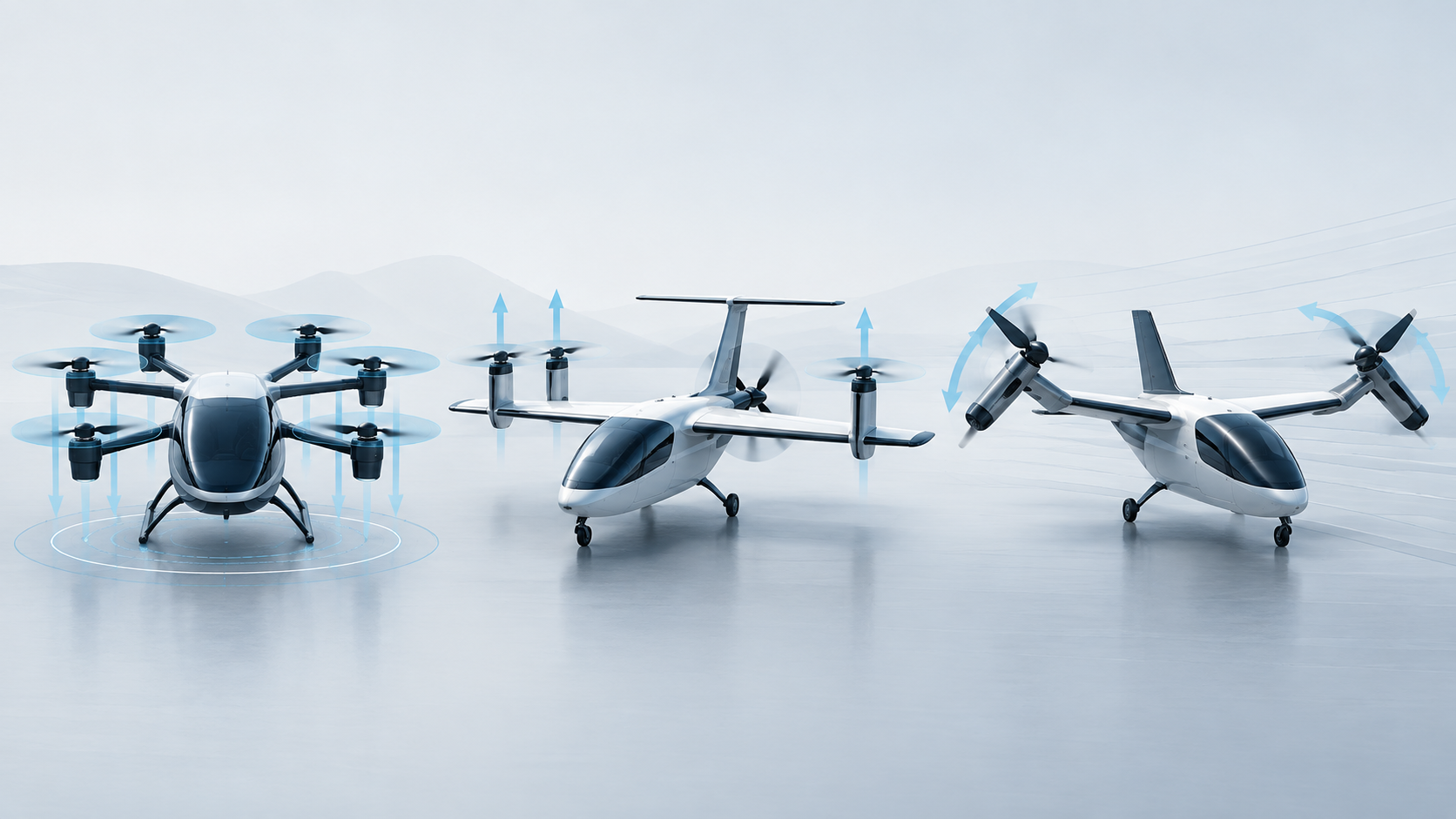
Joby, Archer and Beta distribute propulsion and failure isolation differently. Rotor count describes the layout; redundancy depends on residual thrust, controllability and the independence of motors, inverters, buses, batteries, cooling and controls.

6 — propulsion units on Joby's S4 12 — propulsion units on Archer's Midnight 5 — propulsion units on Beta's ALIA 39% — mass penalty for a 2-out-of-3 redundant power system vs. a non-redundant baseline (NASA/AIAA, 2022) 54% — mass penalty for a 3-out-of-4 redundant system in the same study
Distributed propulsion can improve fault tolerance, but redundancy is created by the complete architecture—not rotor count alone. Motors, inverters, buses, batteries, cooling, controls and residual aircraft controllability all determine the failure case.
How each company's approach holds up under FAA scrutiny of its specific failure-mode analysis — the certification criteria grade the analysis behind a given unit count, not the count itself.
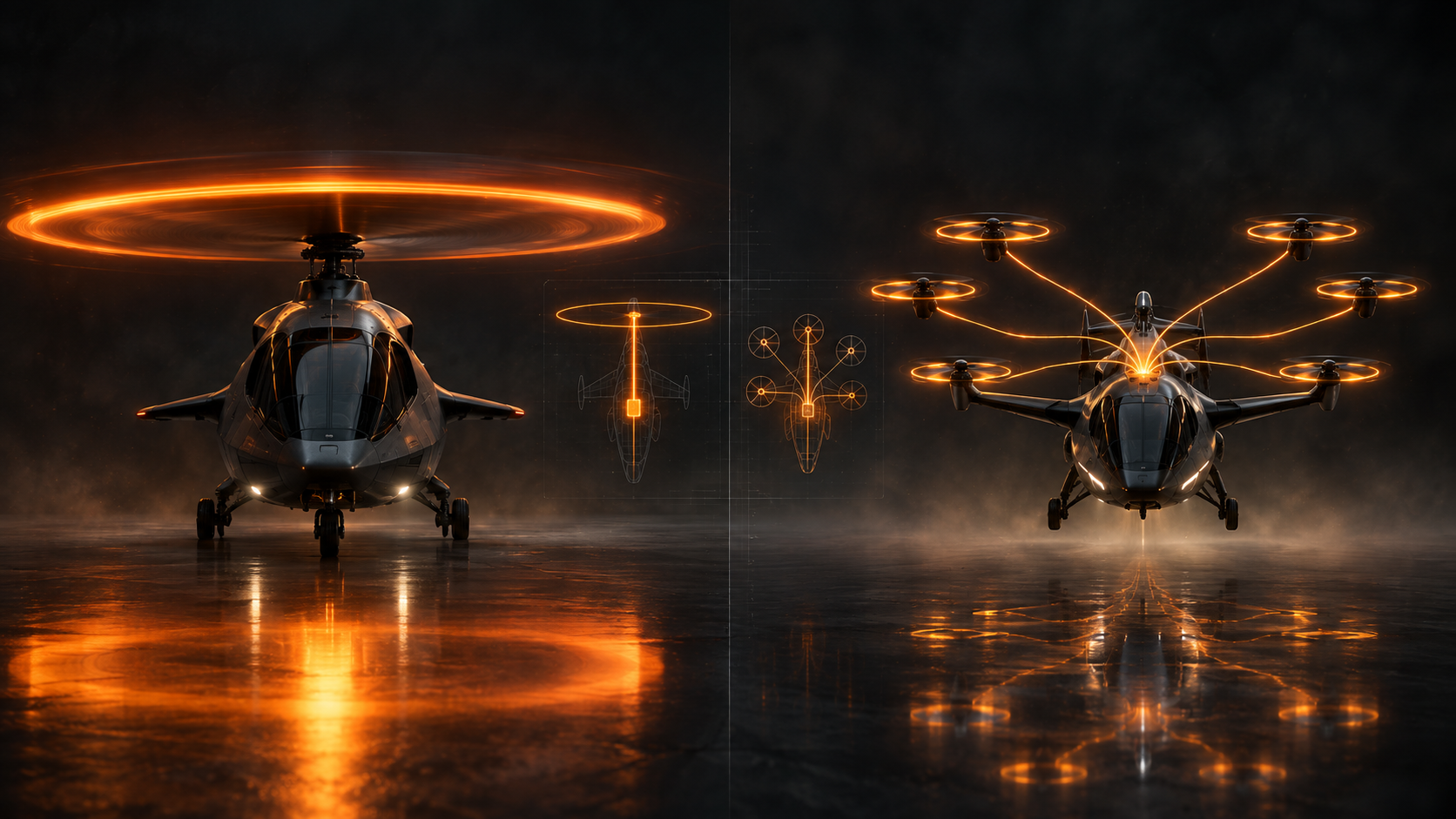
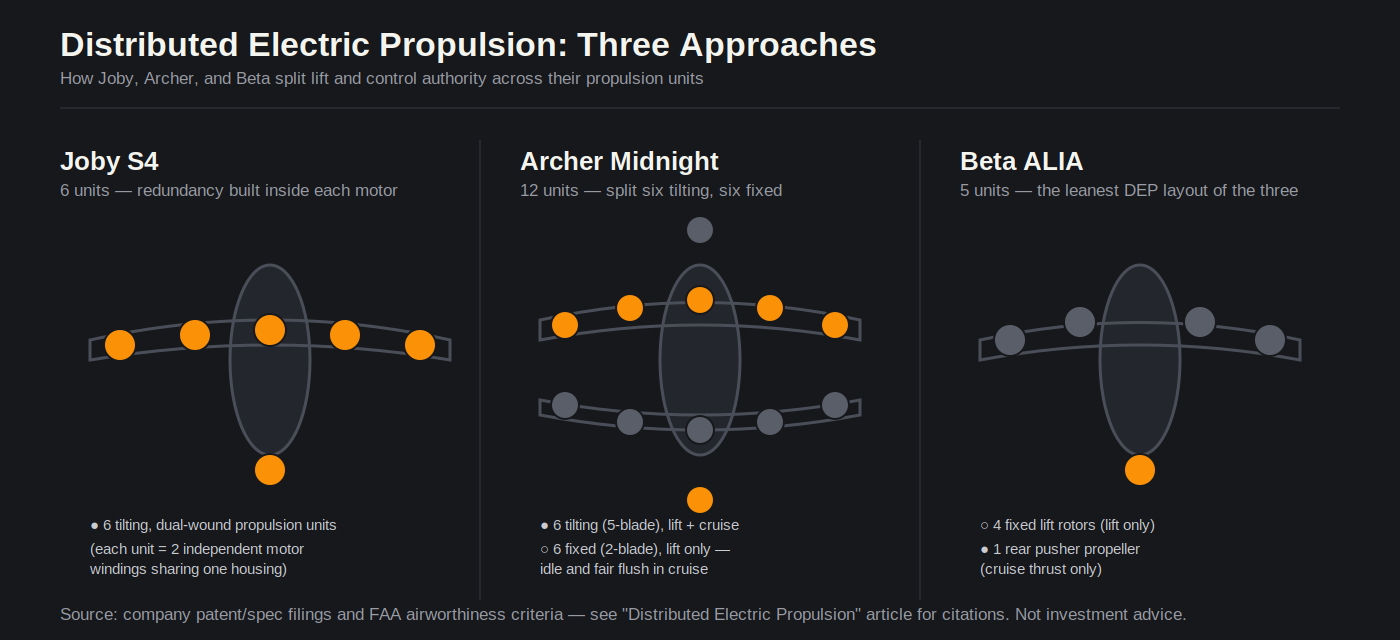
Joby's S4, Archer's Midnight and Beta's ALIA use visibly different propulsion layouts. Counting propulsors is useful description, but it is not a redundancy score. The certification question is what thrust, control authority and electrical independence remain after credible failures.
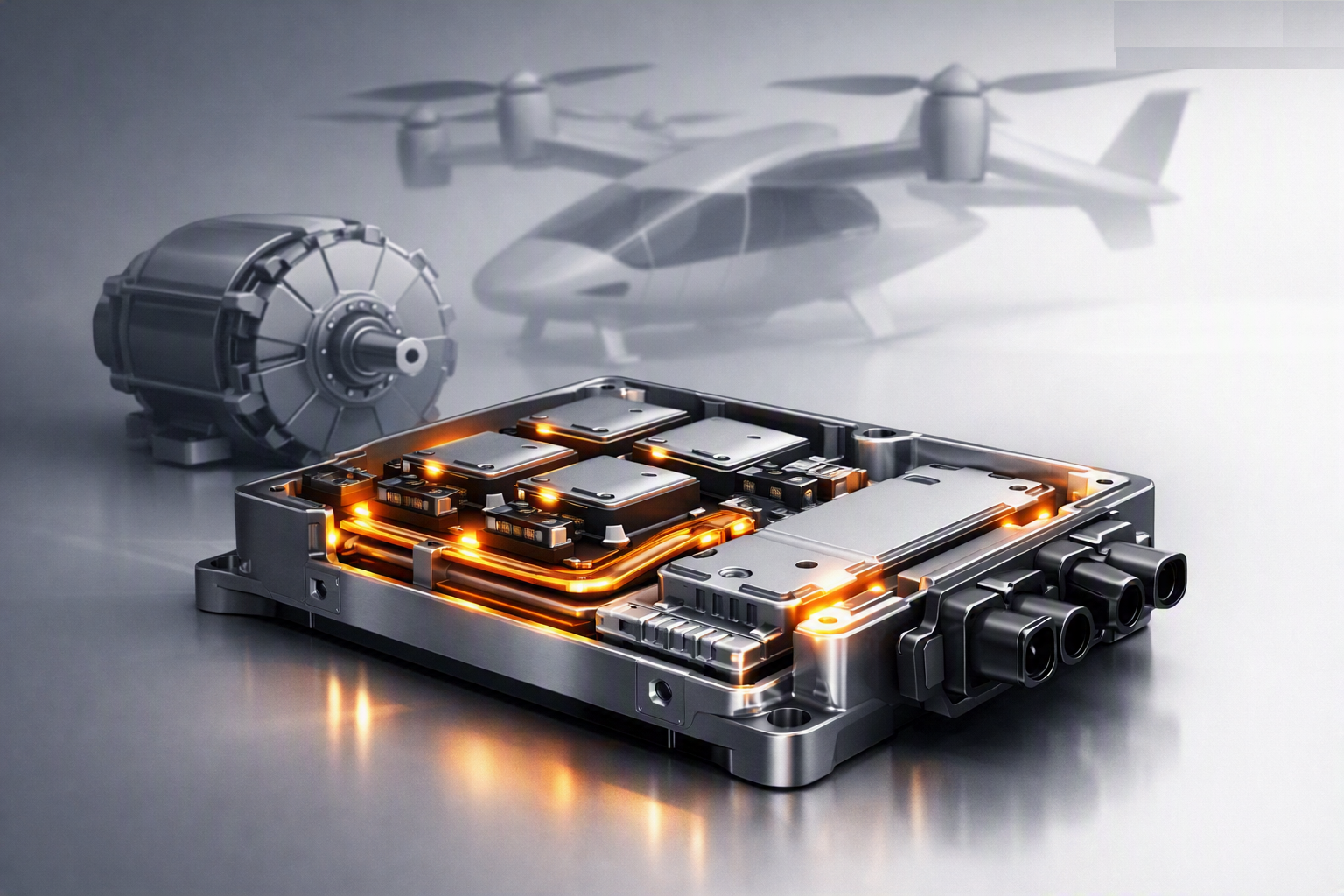
Electric propulsion makes it practical to distribute thrust across several machines without a common mechanical transmission. That can reduce the consequence of an individual propulsion-channel failure if the remaining system is sufficiently independent and the aircraft remains controllable. It also adds interfaces: motors, inverters, contactors, wiring, cooling circuits, sensors and control channels all have failure modes that must be considered.
Published NASA studies illustrate that redundancy can impose substantial mass penalties in particular modeled power-system architectures. Those percentages should not be transferred directly to Joby, Archer or Beta: the studies use defined assumptions and architectures, not the certified mass breakdown of these three aircraft.
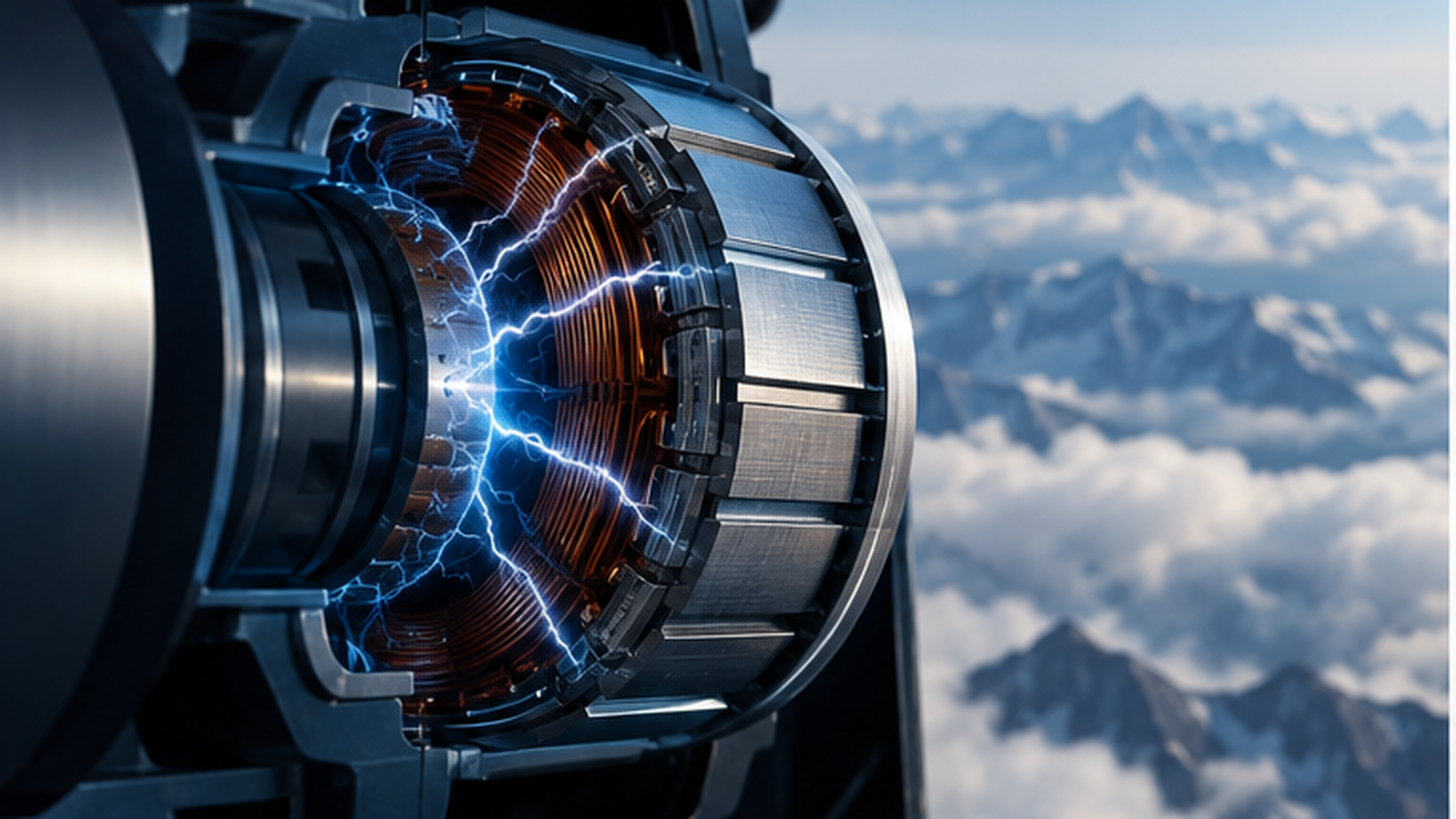
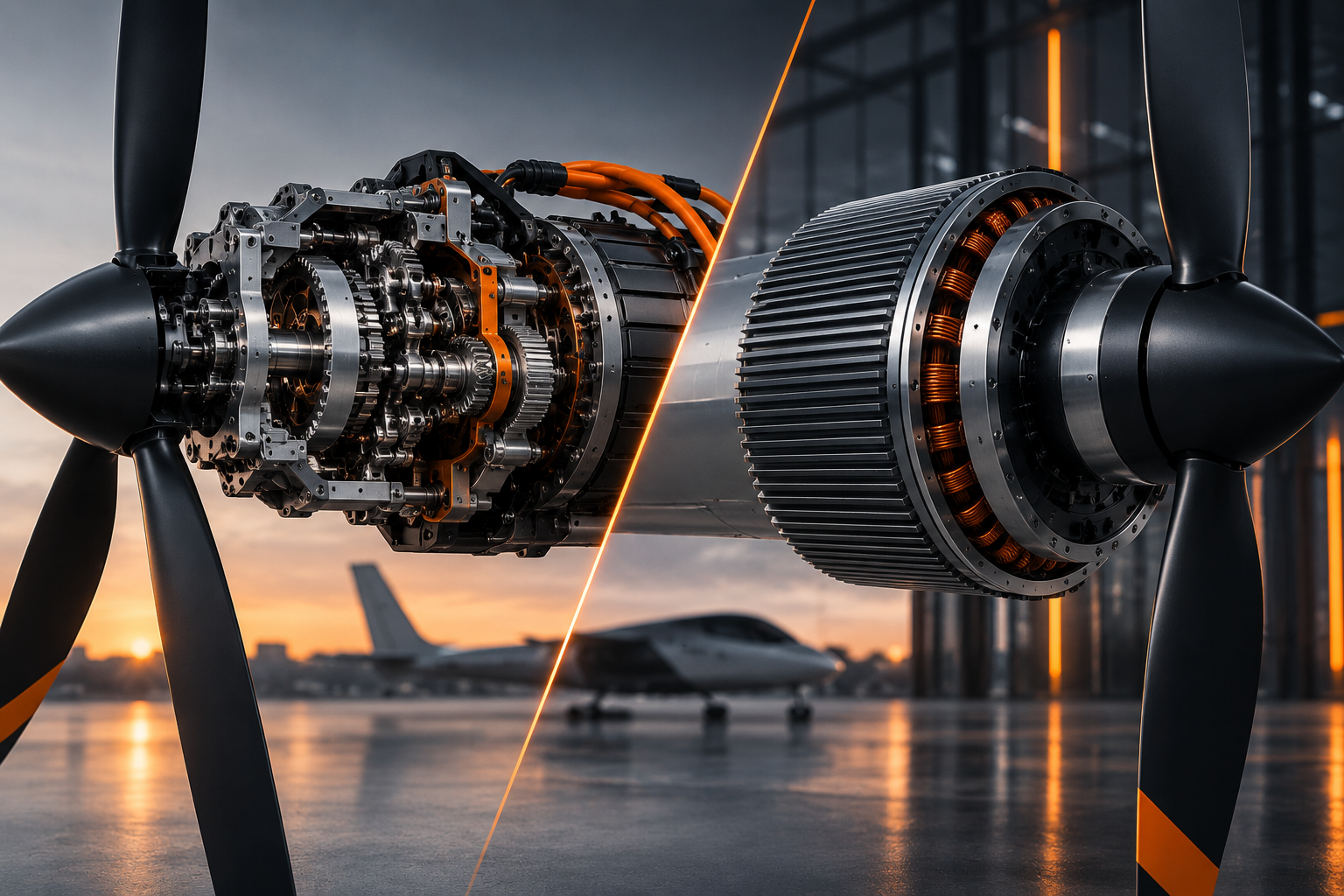
Joby publicly describes six tilt-propeller propulsion units and dual-wound motors. Its patent literature describes electrically separated windings and inverter channels. That shows one way of placing redundancy below the propulsor-count level: a propulsion unit need not be a single indivisible electrical channel.
Patent disclosure is evidence of an engineering concept, not proof that every claimed feature is present unchanged in the final certified configuration. The safety assessment ultimately depends on the configuration submitted to and accepted by the FAA.
Midnight uses six forward tilting propulsors and six aft lift propulsors. The aft units are used for vertical flight and are not the primary cruise propulsors. Archer states that the aircraft is designed without single critical points of failure. That is a company design claim whose regulatory significance will depend on the accepted system safety assessment and compliance evidence.
It is also too simple to describe the aft propulsors as merely “dead weight” in cruise. They impose mass and integration costs, but they provide vertical-flight capability and can be part of the aircraft's safety architecture. Their value has to be assessed across the mission and failure cases, not cruise efficiency alone.
ALIA separates four lift rotors from a rear cruise propeller. This avoids tilting the propulsion units themselves, but fewer propulsors do not automatically mean a smaller redundancy penalty or less certification work. Public information does not provide enough like-for-like subsystem mass and failure-isolation data to rank the three architectures on that basis.
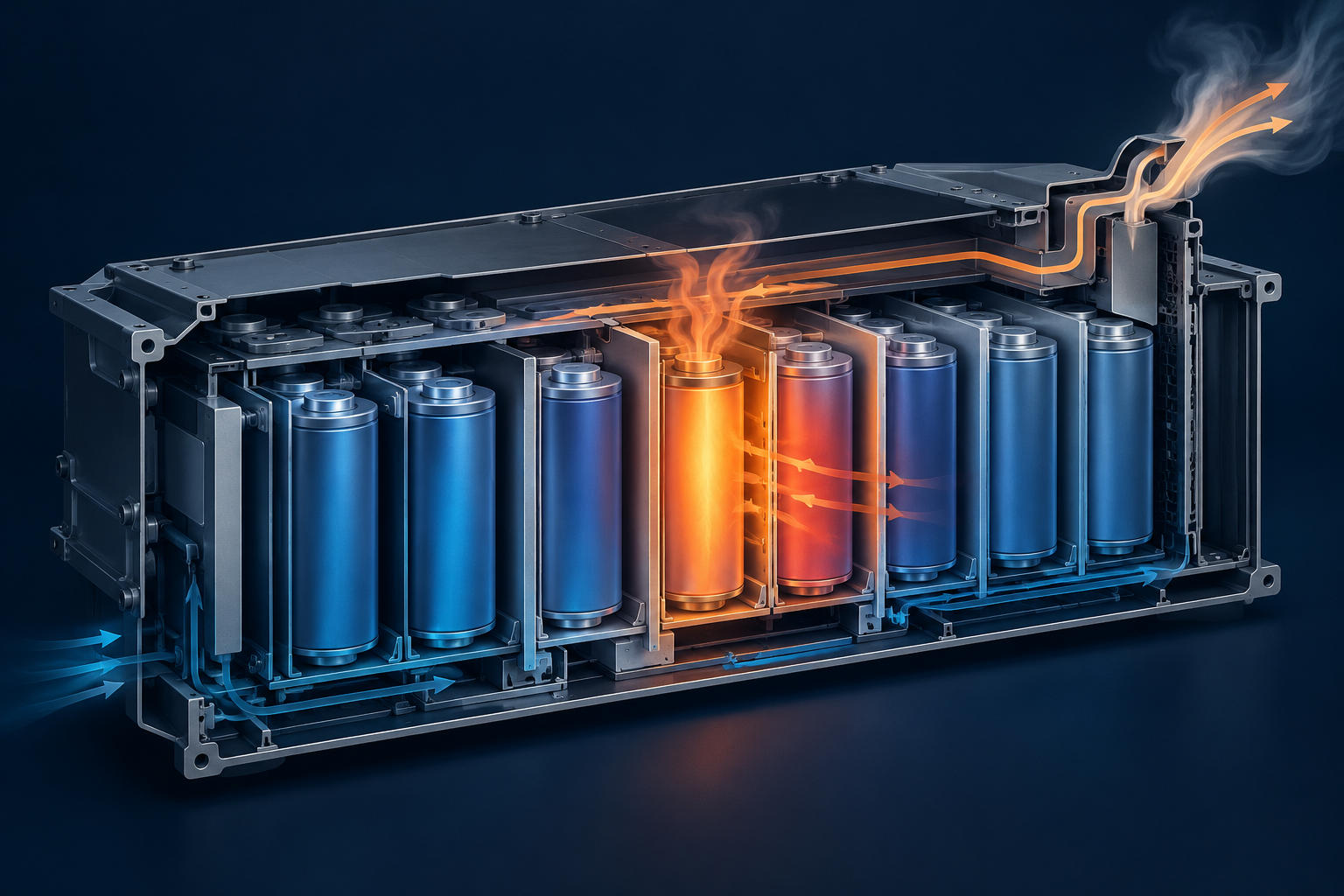
Useful comparison requires failure cases: loss of a motor, inverter, bus, battery string, cooling path, sensor or actuator; the residual thrust and moments after that failure; and the control response throughout hover, transition and cruise. Rotor count is only the visible surface of that analysis.
Not investment advice. This article compares disclosed propulsion architectures and does not rank company certification maturity.