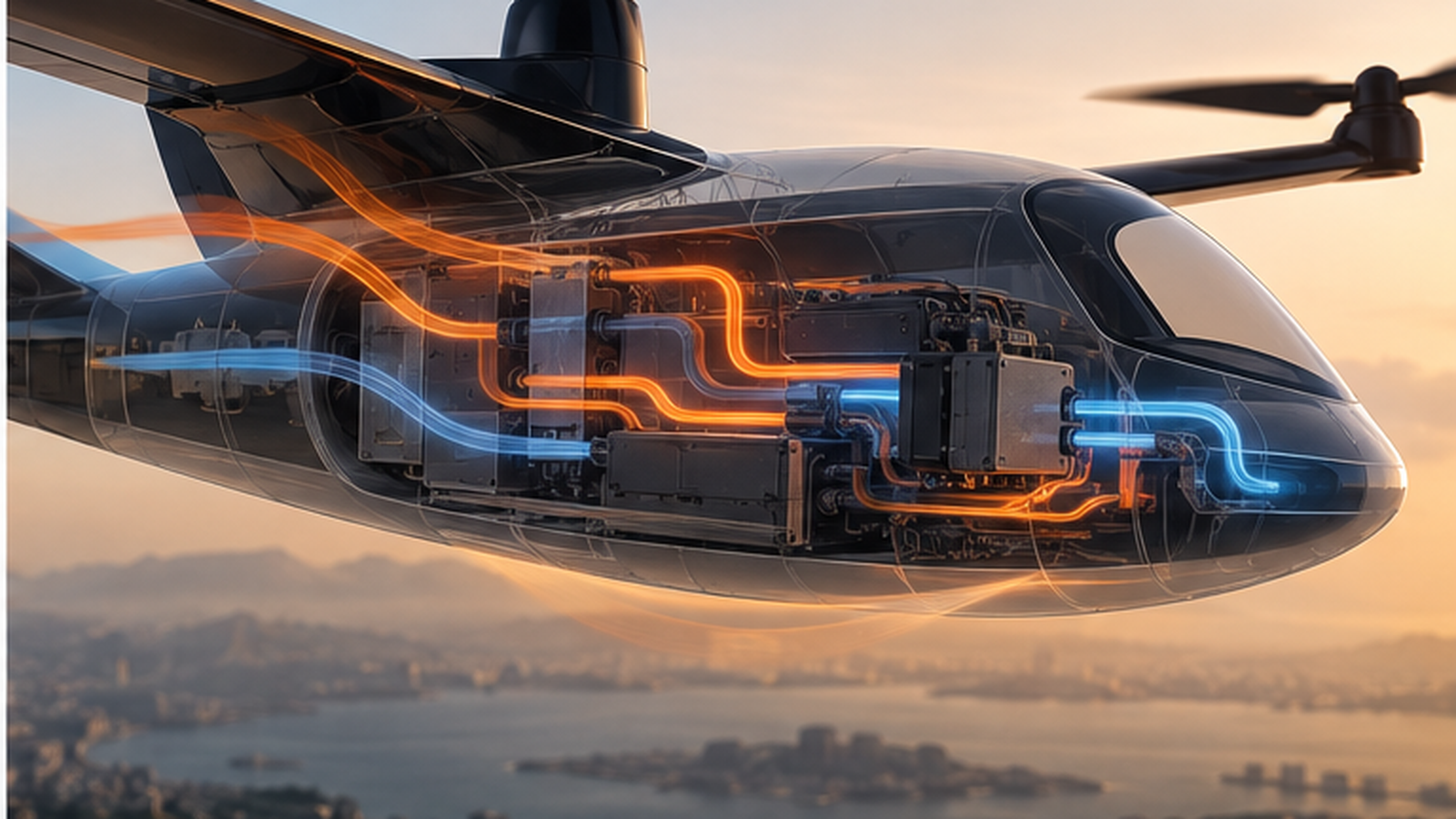
On some multirotor eVTOL configurations, rotor-speed changes are primary flight-control inputs. That makes transient motor torque, inverter current limits, battery voltage and thermal state part of handling qualities: steady-state motor power is not enough to describe available control authority.
2× continuous torque — transient peak requirement in one NASA six-passenger hexacopter study; configuration-specific 2025 — NASA VMS tests examined low battery charge and high motor temperature as degraded-powertrain cases RPM control — propulsion can also act as the primary flight-control effector on some multirotors
When rotor speed is a primary control input, motor torque response, inverter current, battery voltage and thermal limits become handling-quality variables. Steady-state propulsion power does not show how much control authority is available during a gust, maneuver or failure transient.
Published torque-response and thrust-response data at low state of charge and high temperature, failure-transient recovery, and flight tests demonstrating that propulsion bandwidth matches the assumptions embedded in the control law.
In one NASA handling-qualities study of a conceptual six-passenger RPM-controlled hexacopter, the modeled aircraft could meet Level 1 limited-agility handling qualities provided the powertrain could deliver transient peak torque up to twice the rated continuous torque. The 2× figure belongs to that model and control design; it is not a universal requirement for eVTOL motors.
Its significance is architectural. On an aircraft that changes rotor speed to control attitude or vertical acceleration, the electric propulsion system is also a primary flight-control actuator. Motor response is no longer only an efficiency or performance question. The rate at which torque can change affects the rate at which thrust can change, and therefore how the aircraft responds to pilot commands and disturbances.
A rotor in trimmed hover produces approximately constant average thrust. Gust rejection, attitude correction and maneuvering require deviations around that operating point. If thrust is modulated by RPM, the motor has to accelerate or decelerate the combined inertia of its rotor and rotating electromagnetic components.
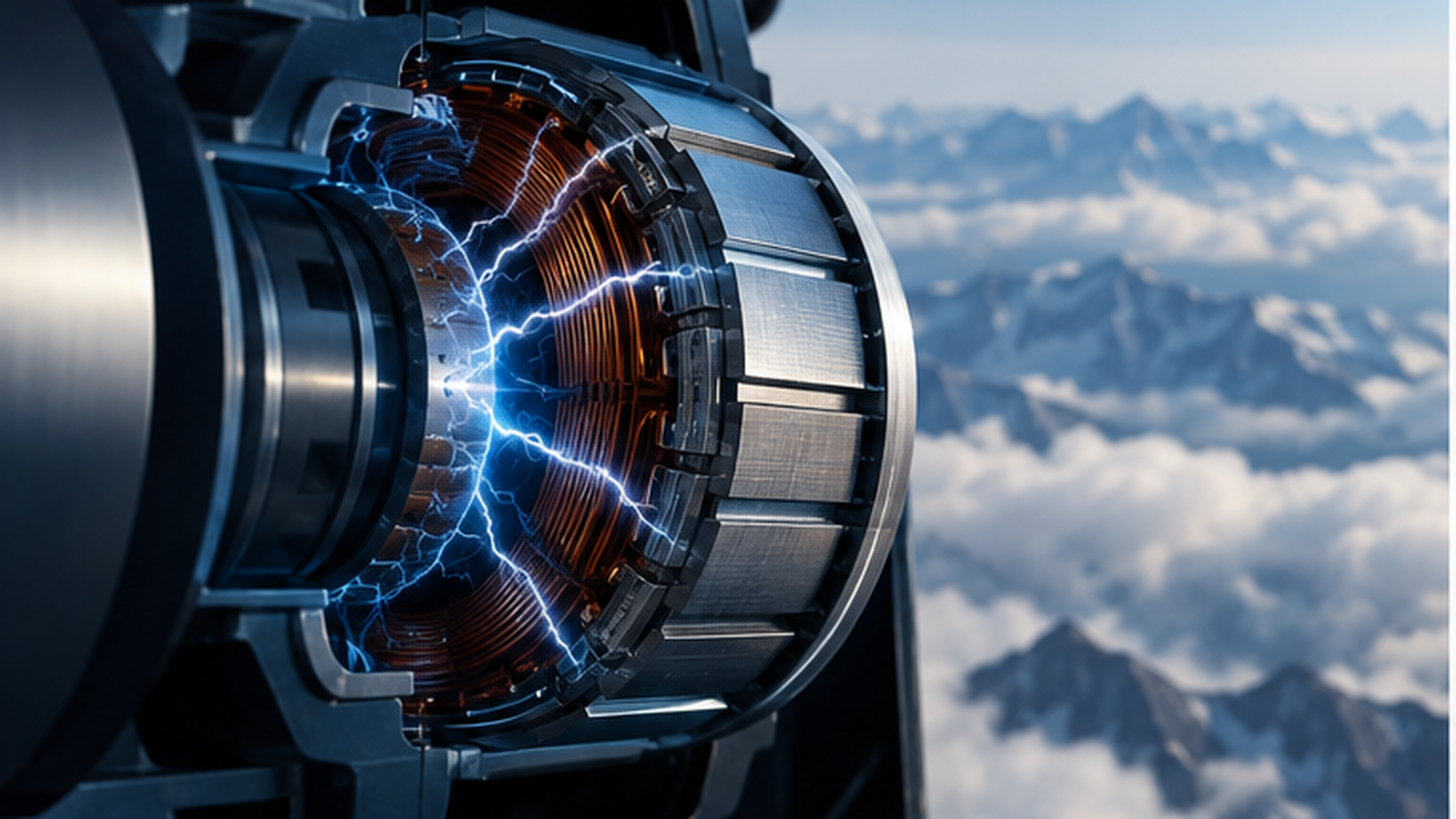
The torque equation is straightforward: T = Jα + Tload, where J is rotational inertia and α is angular acceleration. A large rotor may be efficient aerodynamically but can carry more rotational inertia, increasing the torque required for rapid speed changes. The motor and inverter therefore need transient capability beyond the torque needed merely to hold the steady RPM.
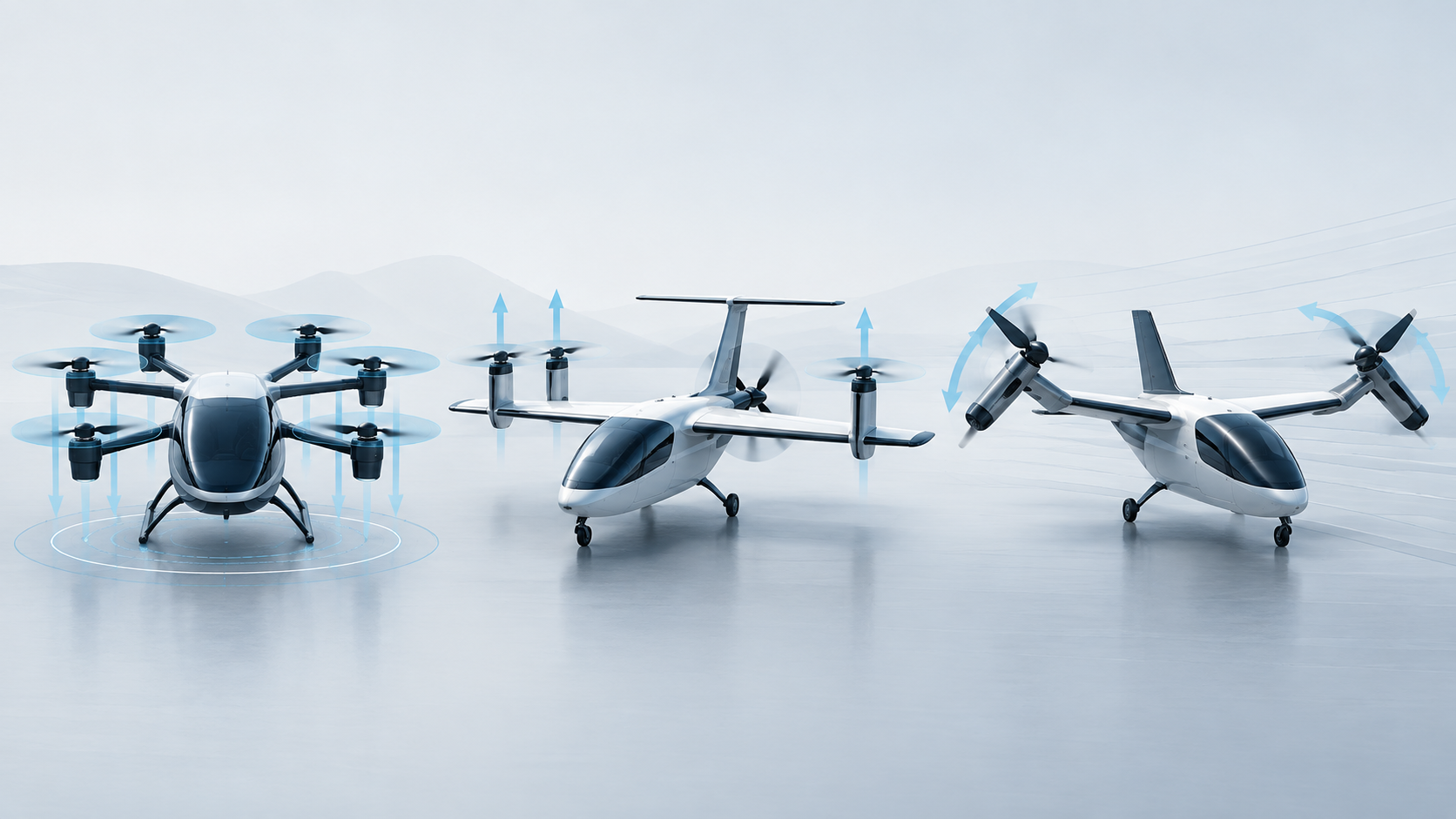
Some architectures use blade pitch, tilting mechanisms or aerodynamic control surfaces for part of the job, which changes the required propulsion bandwidth. That is why rotor count or motor peak power alone cannot establish handling quality.
For many electric machines, torque is closely related to controlled motor current over the normal operating region. A rapid torque command therefore becomes a rapid current command at the inverter. Semiconductor current limits, DC-link voltage, switching strategy and thermal state all determine whether the requested torque can be produced.
At high rotor speed, back electromotive force consumes more of the available DC-bus voltage. The inverter may have less voltage margin to force current to change quickly. At low speed, high torque can demand substantial current and create strong copper and semiconductor heating. The usable torque envelope is consequently a function of both speed and duration.
This extends PropulsionWatch's inverter analysis: controller bandwidth is not only about converting power efficiently; it can become part of the closed-loop flight dynamics.
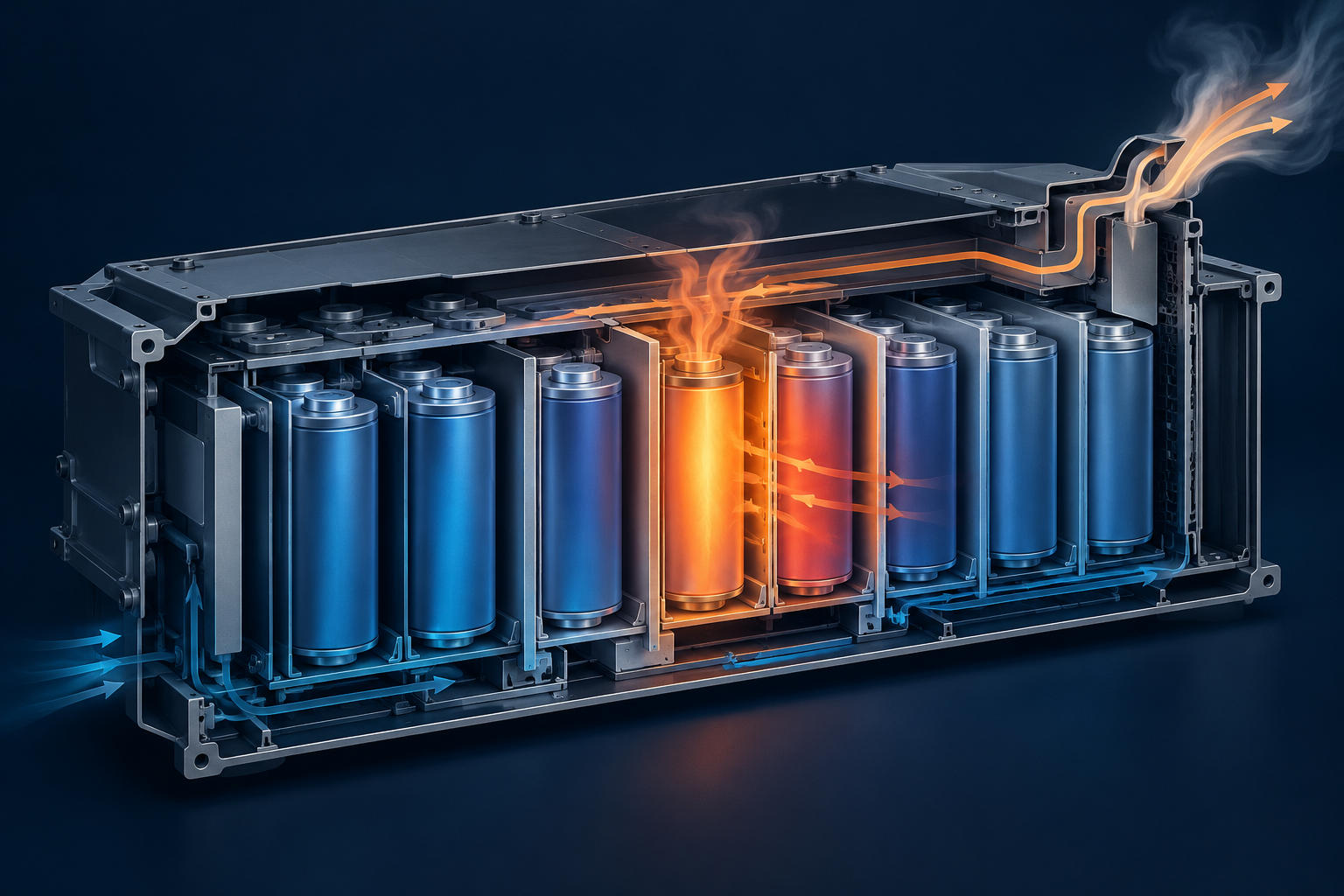
A battery at low state of charge may have lower terminal voltage and greater voltage sag under a high current pulse. Cold or aged cells can have higher internal resistance. Battery-management limits may also restrict discharge current to protect cells from voltage or temperature excursions.
That means “remaining energy” and “available control power” are different quantities. An aircraft can carry enough energy to complete a nominal mission while having less margin for a rapid propulsion transient than it did at takeoff. System design has to reserve enough voltage and current capability for required maneuvers and disturbance rejection at the worst relevant battery state.
NASA's 2025 Vertical Motion Simulator work examined degraded electric-powertrain states including low battery charge and high motor temperature. The research connects propulsion degradation to the pilot's ability to perform precise maneuvers, which is exactly the interface that steady mission-energy models omit.
Motor windings and inverter switches heat according to the power they have already processed. A high-power takeoff can therefore influence the torque margin available during a later transition or landing even when the instantaneous command is smaller.
Thermal protection may reduce allowable current to keep winding, magnet or semiconductor junction temperatures within limits. That derating is necessary for component protection, but if propulsion is also flight control, the aircraft-level safety analysis has to establish what control authority remains after derating.
The connection to mission-level thermal management is direct. Cooling performance can influence handling-quality margin if temperature determines available transient torque.
Large, slower-turning rotors can improve hover efficiency through lower disk loading and potentially lower acoustic tip speed. They can also have greater rotational inertia than smaller, faster rotors, depending on blade construction and geometry. If RPM is the control effector, inertia resists rapid speed change.
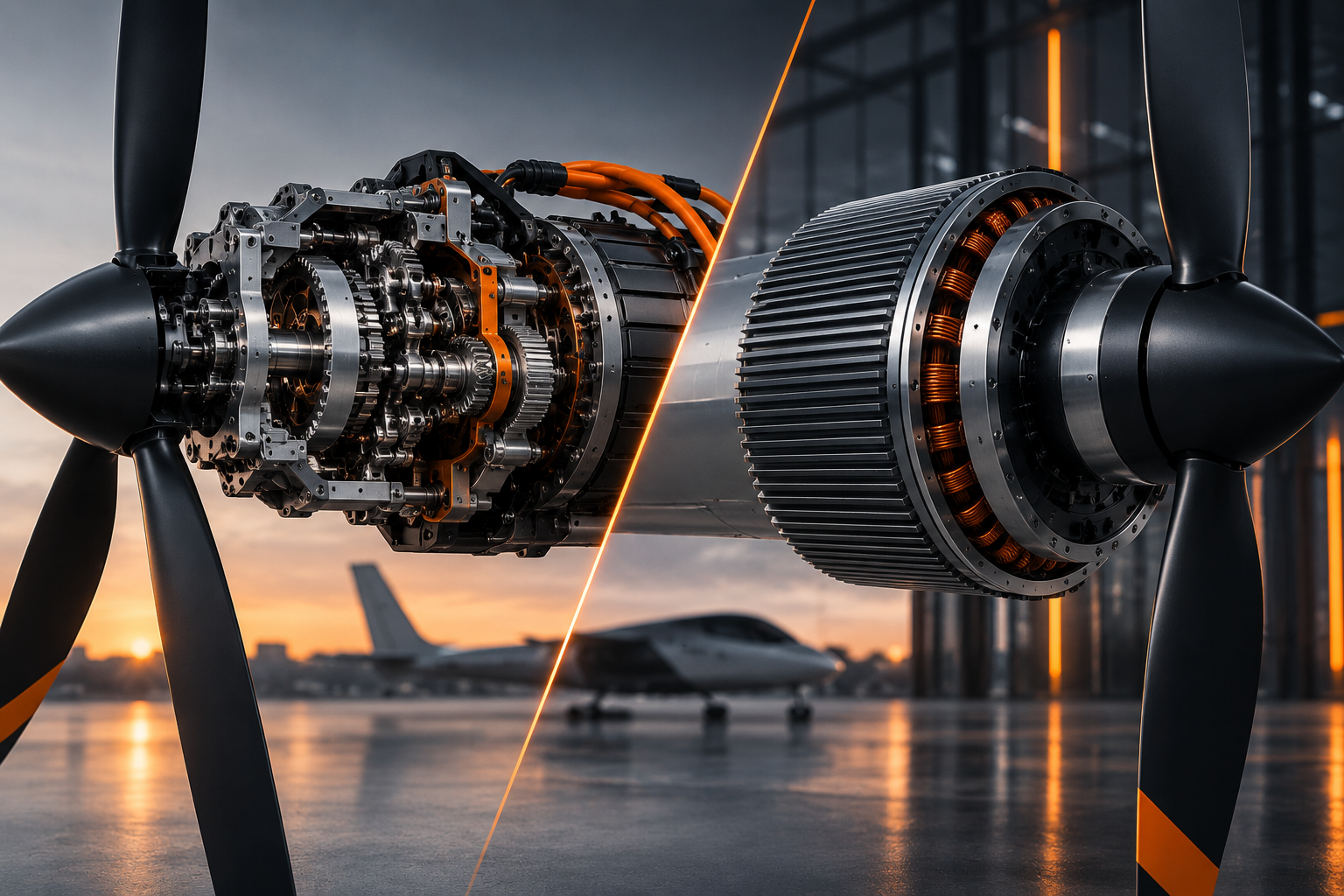
Designers can compensate with higher motor torque, lower rotor inertia, blade-pitch control or aerodynamic surfaces. Each solution changes weight, mechanical complexity and failure modes. A variable-pitch rotor can alter thrust without the same RPM excursion but adds actuators and pitch-control hardware. A fixed-pitch direct-drive rotor simplifies mechanics while placing more dynamic demand on the electric machine.
That is why propulsion and flight-control teams cannot optimize independently. A rotor selected for efficiency and acoustics creates an inertia and thrust-response model that the motor, inverter, battery and control law all have to support.
Propulsion redundancy is often discussed as the amount of thrust remaining after one motor or inverter fails. The transient immediately after failure can be equally important. The aircraft may experience a sudden roll or yaw moment before healthy channels redistribute thrust.
Those remaining channels must have enough headroom and response rate to arrest the motion without violating their own current, voltage or thermal limits. This is one reason the redundancy question extends beyond rotor count.
Control allocation can also be constrained by geometry. A motor at a long moment arm may provide more corrective moment per unit thrust than one near the centerline. A failure can therefore alter not just total thrust capacity but the shape of the available control envelope.
Published motor specifications usually emphasize peak power, continuous power, efficiency and mass. For RPM-controlled eVTOLs, useful handling-quality evidence also needs torque rise time, current headroom, speed-dependent transient limits and performance under low-state-of-charge or high-temperature conditions.
NASA's disturbance-rejection research shows why. Tighter control response can improve handling qualities but may increase power consumption and dynamic actuator demand. The correct bandwidth is not “as fast as possible”; it is the response needed to meet aircraft-level handling and safety requirements with acceptable energy and component stress.
The decisive certification evidence will be closed-loop: command the aircraft through representative maneuvers and disturbances at adverse battery and thermal states, then show that the propulsion channels deliver the thrust response assumed by the flight-control law. In that architecture, a motor datasheet is only one part of the actuator specification.
NASA NTRS — RPM-controlled eVTOL handling qualities and transient motor torque
NASA NTRS — degraded-powertrain eVTOL handling-qualities testing
NASA NTRS — disturbance rejection, control response and power consumption