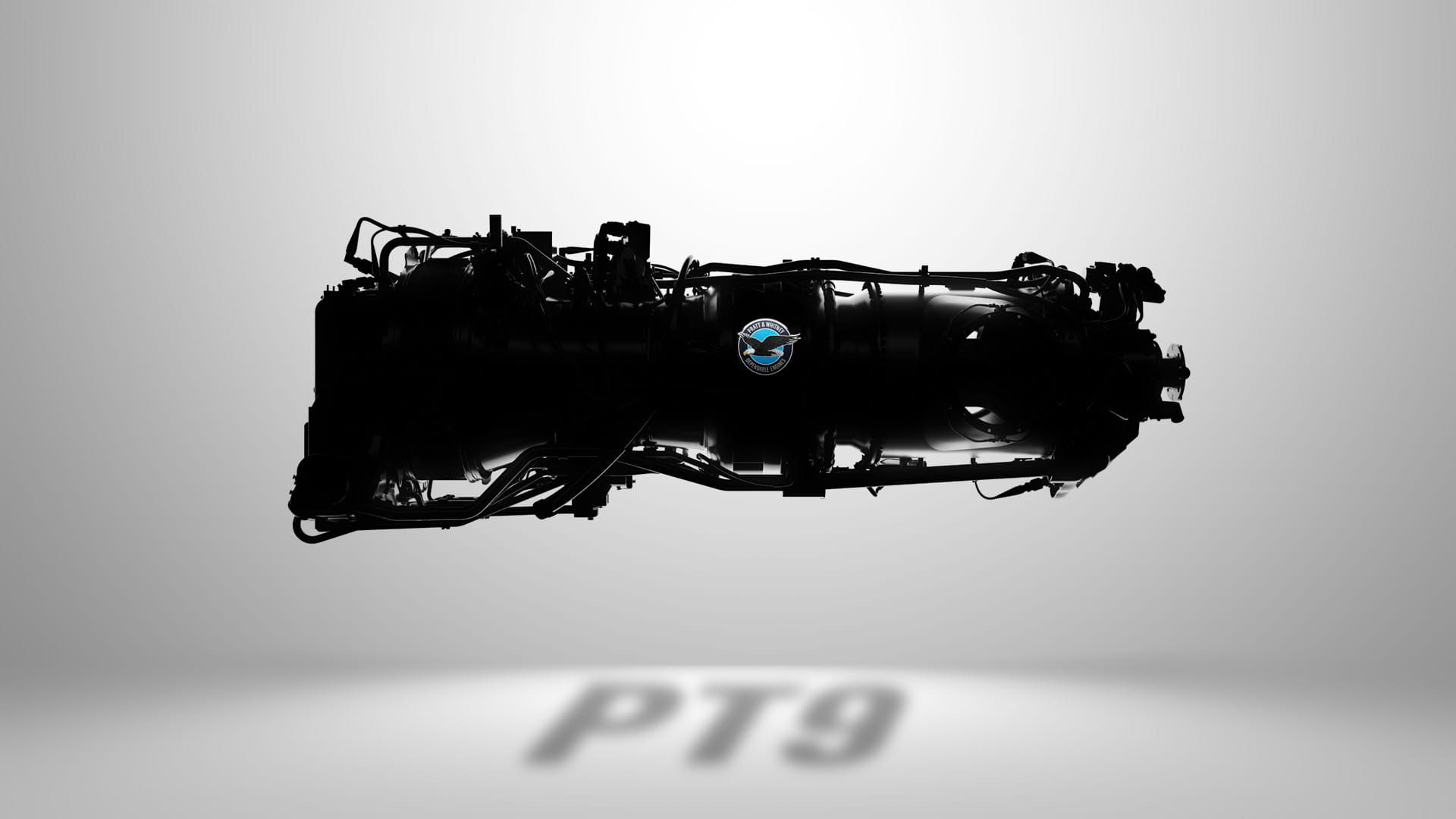
Pratt & Whitney Canada says its new PT9 turboprop has Transport Canada certification and a modular architecture suited to future hybrid integration. That establishes a different evidence boundary from certifying a complete hybrid aircraft powertrain.
21 Oct 2026 — PT9 public introduction 14,000+ hours — manufacturer-reported development work 2,000-shp class — AIN's launch description; not an electrical-output rating
A new modular turbine may offer a basis for future hybrid applications, provided installed power, mass and approval boundaries are substantiated.
Named applications, generator and power-electronics interfaces, continuous electrical ratings and the approval scope of an installed system.
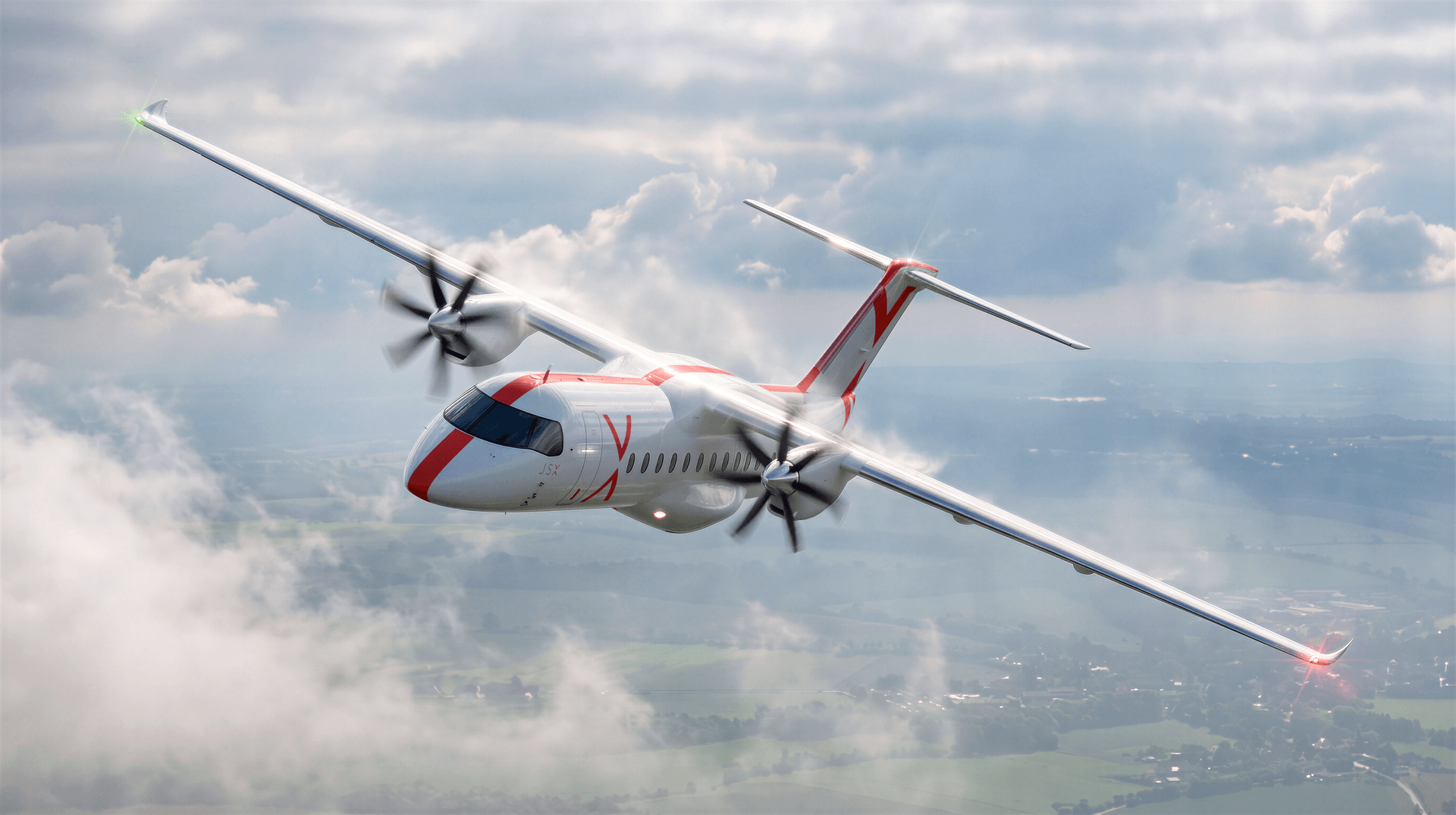
Pratt & Whitney Canada introduced its PT9 turboprop on 21 October, saying the new engine has received Transport Canada certification after more than 14,000 development hours. The company positions its modular architecture as a foundation for future hybrid thermal-electric applications.
RTX’s announcement also claims 33% more power at altitude and 20% lower fuel consumption against previous-generation engines. It does not name the comparison engine or provide the operating points needed for an aircraft-level comparison.
The launch establishes a new turbine product and a stated direction for further development. It does not establish approval of a complete hybrid propulsion system, an installed generator or a specific electric aircraft application.
AIN describes PT9 as a new architecture in the 2,000-shp class and reports that the manufacturer sees applications beyond the existing PT6 product line. That positioning leaves generator interfaces, electrical distribution and the final aircraft installation to be defined for each application.
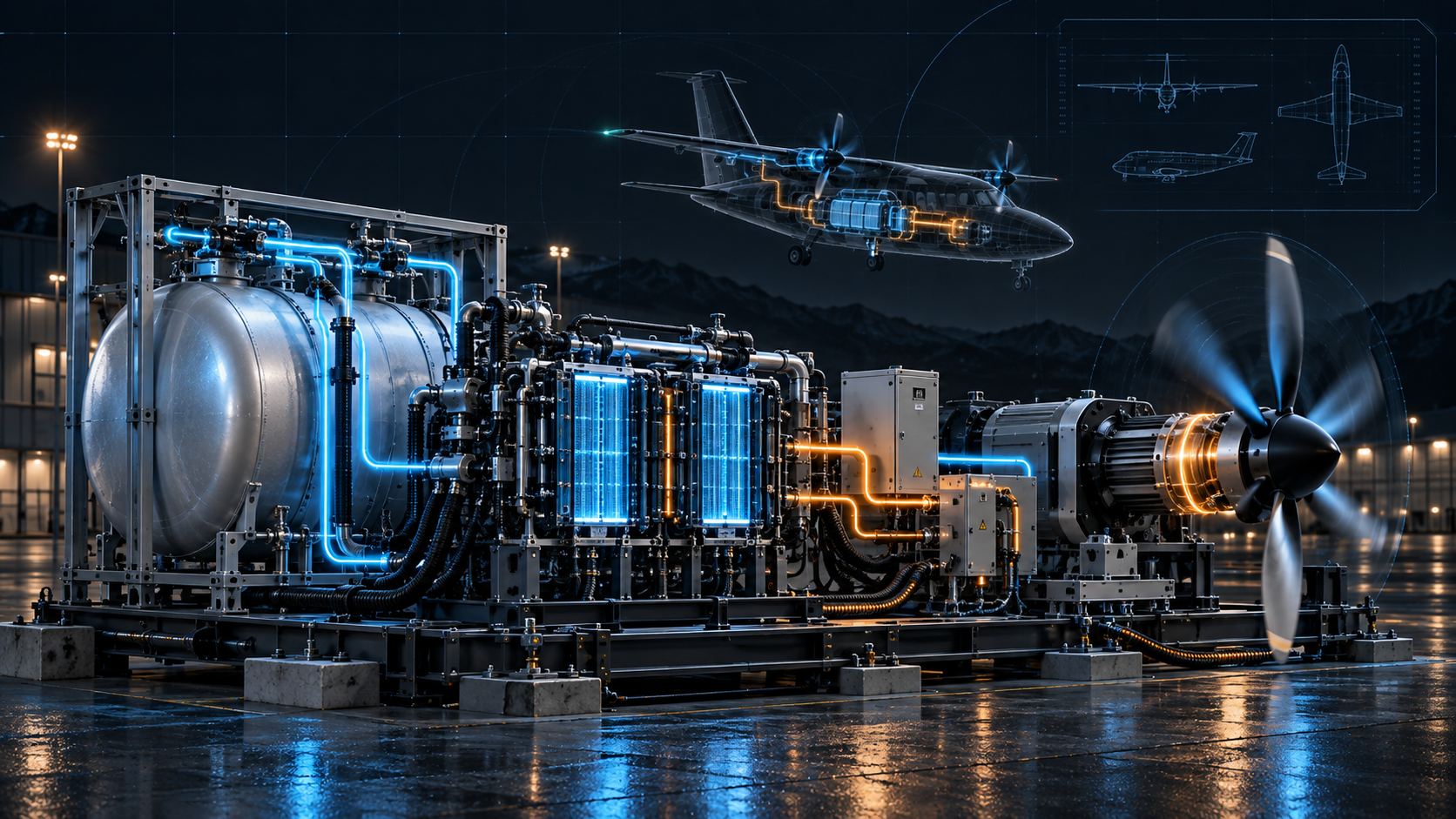
PropulsionWatch analysis: A hybrid installation needs a common power boundary and duty cycle. Shaft output, electrical output and motor output cannot be compared as though they were the same rating. Added generator, conversion, protection and cooling hardware also changes installed mass and usable power.
A useful next disclosure would identify the aircraft programme, architecture, continuous electrical capability and certification scope. The existing hybrid power-management explainer describes the mission and reserve questions that would follow.
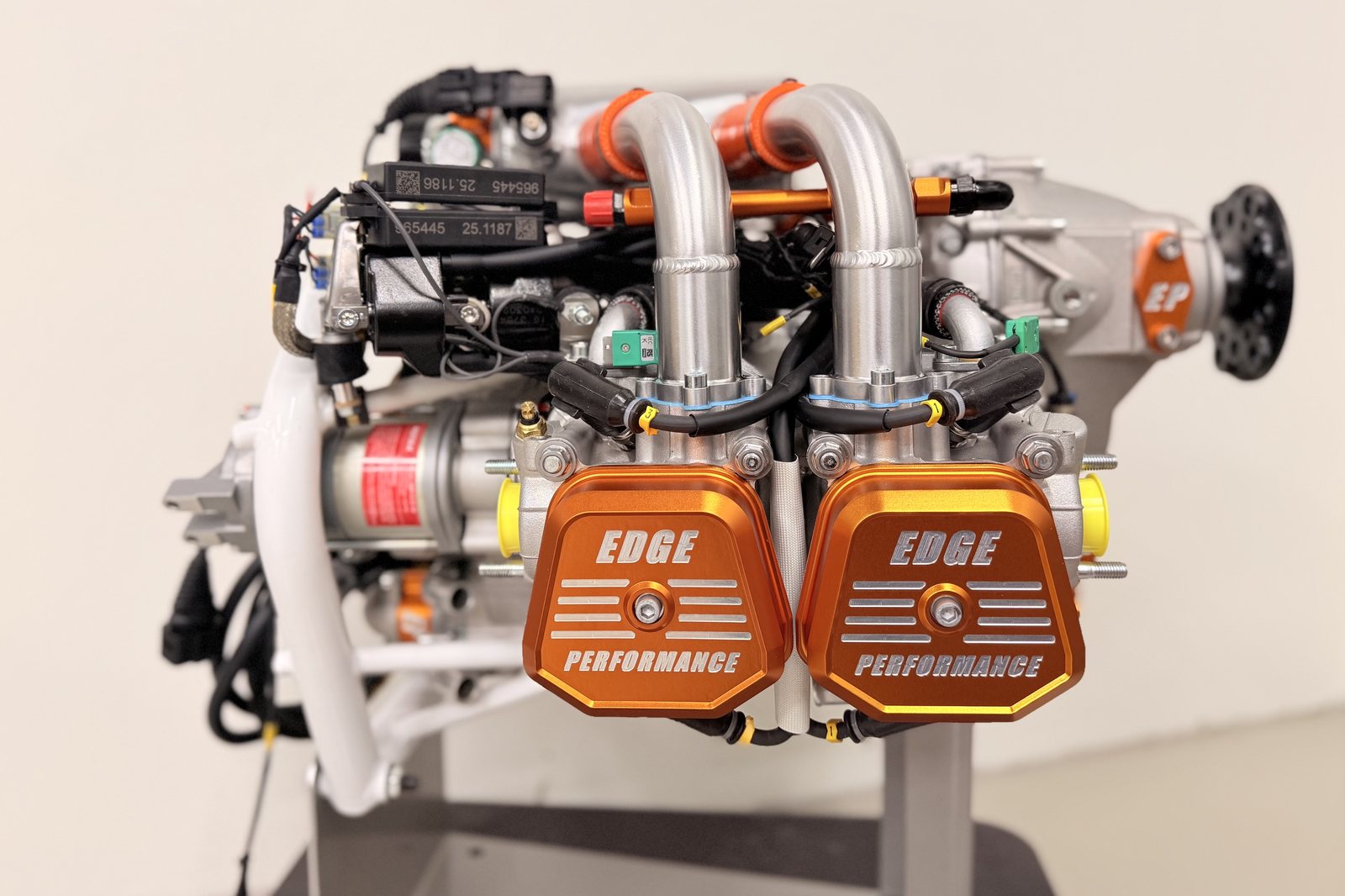
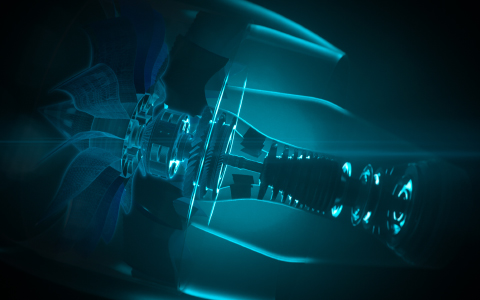
Hero: official Pratt & Whitney PT9 product image, supplied through RTX. It depicts the turbine engine rather than an assembled hybrid-electric system.