Florida’s 30 October trials paired Joby’s vertical-lift S4 with BETA’s conventional-takeoff CX300. Wider campaign stops remain planned, and demonstration activity carries a defined approval scope.

30 Oct 2026 — Florida eIPP demonstration launch 2 — aircraft architectures: eVTOL and eCTOL 1 week — Joby’s announced campaign duration, subject to change
Airport trials can expose practical differences in routing, handling and infrastructure between vertical-lift and runway-based electric aircraft.
Confirmed later campaign flights, operational findings and the permissions defining future services.
Florida completed its first demonstration flights under the federal eVTOL Integration Pilot Program on 30 October 2026, according to the FAA and Florida Department of Transportation. Joby Aviation’s S4 and BETA Technologies’ ALIA CX300 participated in the Tampa Bay activity.
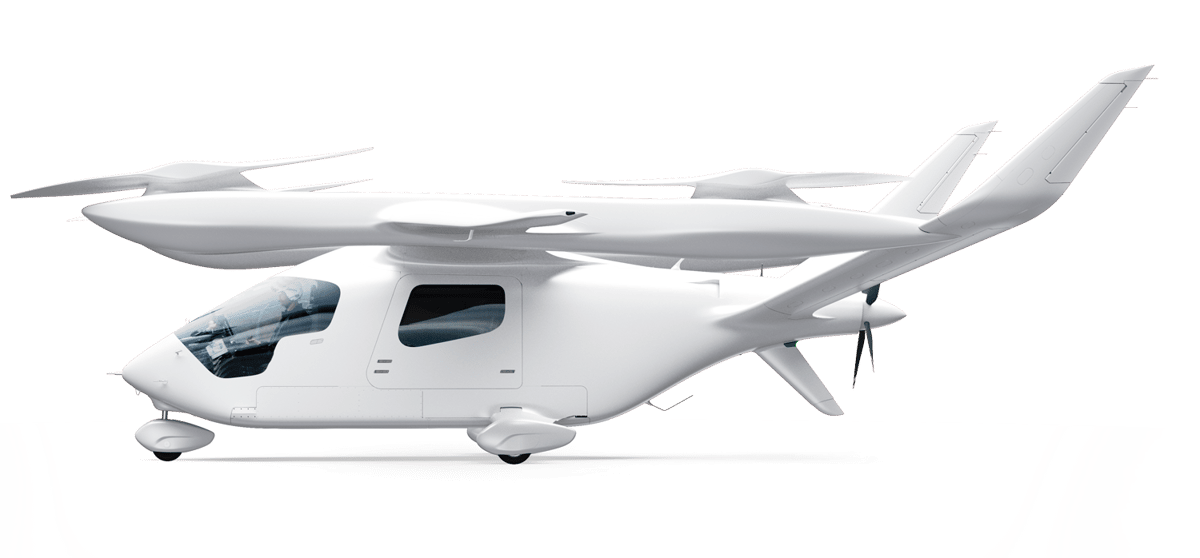
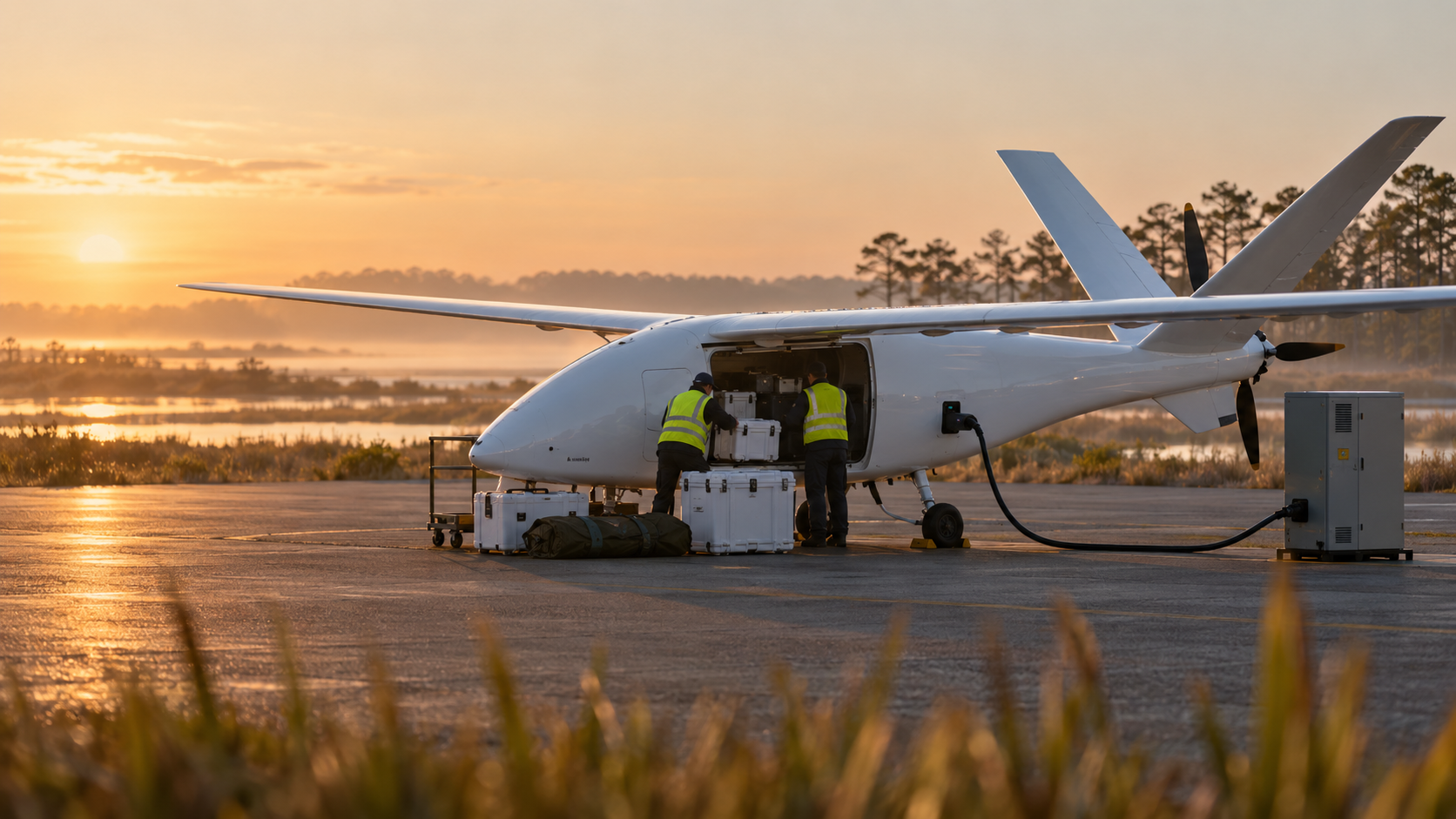
The aircraft represent different operating architectures: Joby’s S4 can take off and land vertically, while the CX300 is a conventional takeoff-and-landing electric aircraft. BETA’s participation should therefore be recorded as eCTOL activity within the wider integration program.
Joby identified its opening flight as a trip from Albert Whitted Airport in St. Petersburg to Tampa International Airport. The company’s 30 October announcement described a week-long campaign extending to Orlando and Kennedy Space Center, with the schedule subject to weather and other conditions.
Those later locations are planned campaign stops in the reviewed announcement. They should not be counted as completed flights solely because the itinerary was published.
FDOT places the demonstrations within work on Florida’s proposed Aerial Highway Network. The FAA describes the flights as a way to collect evidence for integrating new aircraft and operations into the airspace system.
The value of these trials lies in testing routes, procedures and coordination in a real airport environment. An eVTOL and an eCTOL aircraft may share charging and handling needs, but their landing-site requirements and flight profiles differ.
Participation in eIPP does not by itself establish an aircraft Type Certificate or permission for unrestricted passenger service. A published network plan also leaves site readiness, operating procedures and the eventual authorized service scope to be demonstrated.
The Joby S4 and BETA CX300 dossiers track the programs separately. The next useful evidence is the completed campaign record: which locations were flown, under which permissions, and what operating limitations the trials identified.
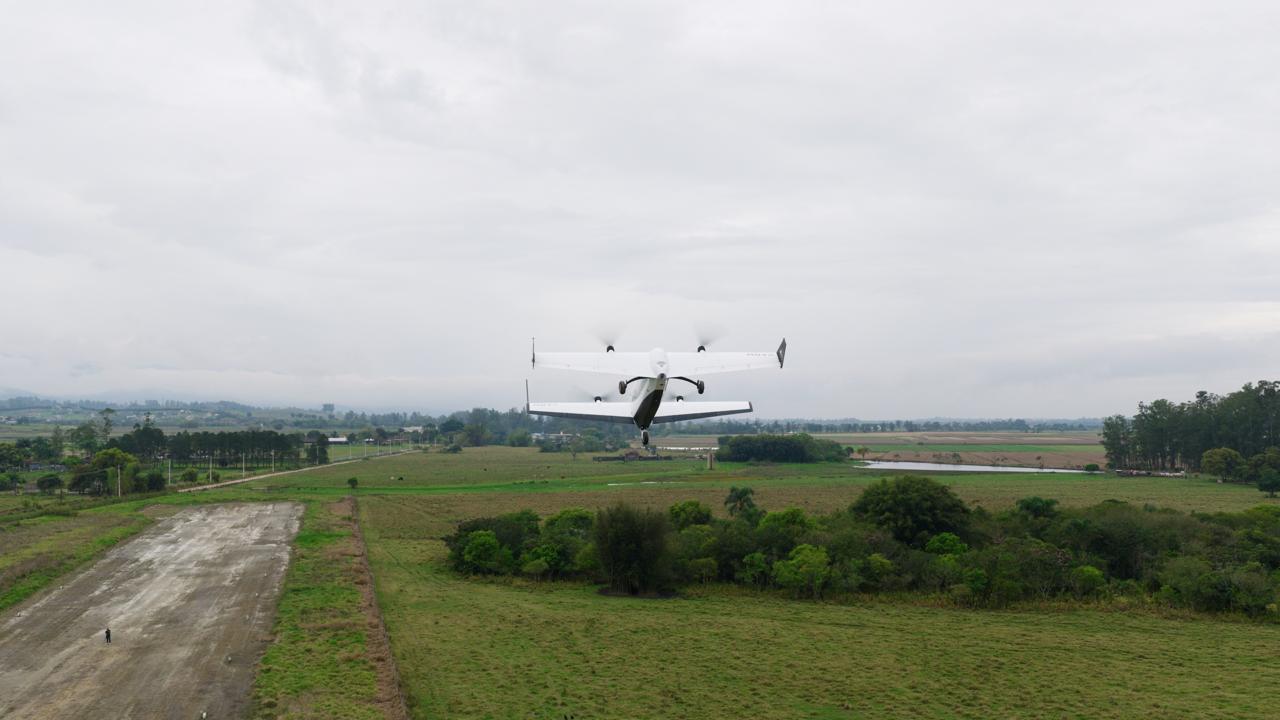
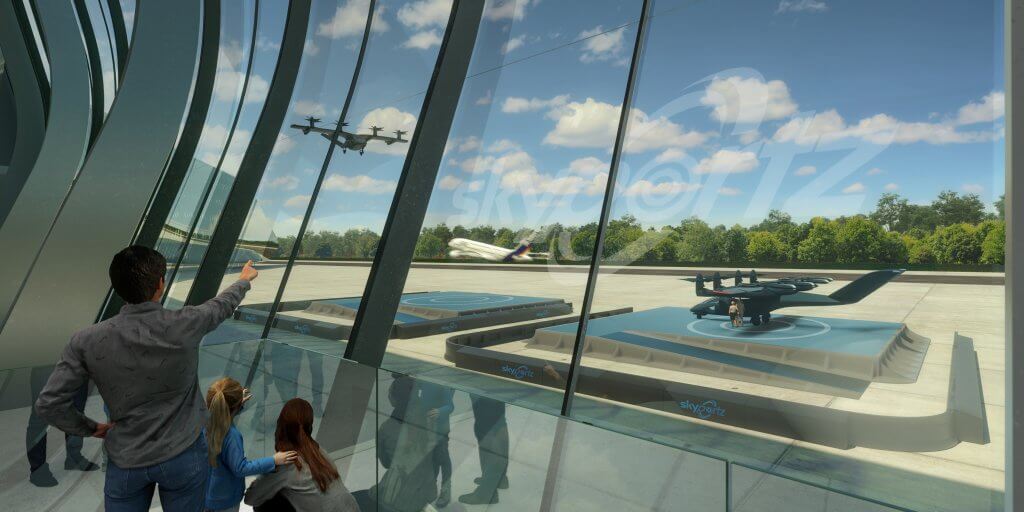
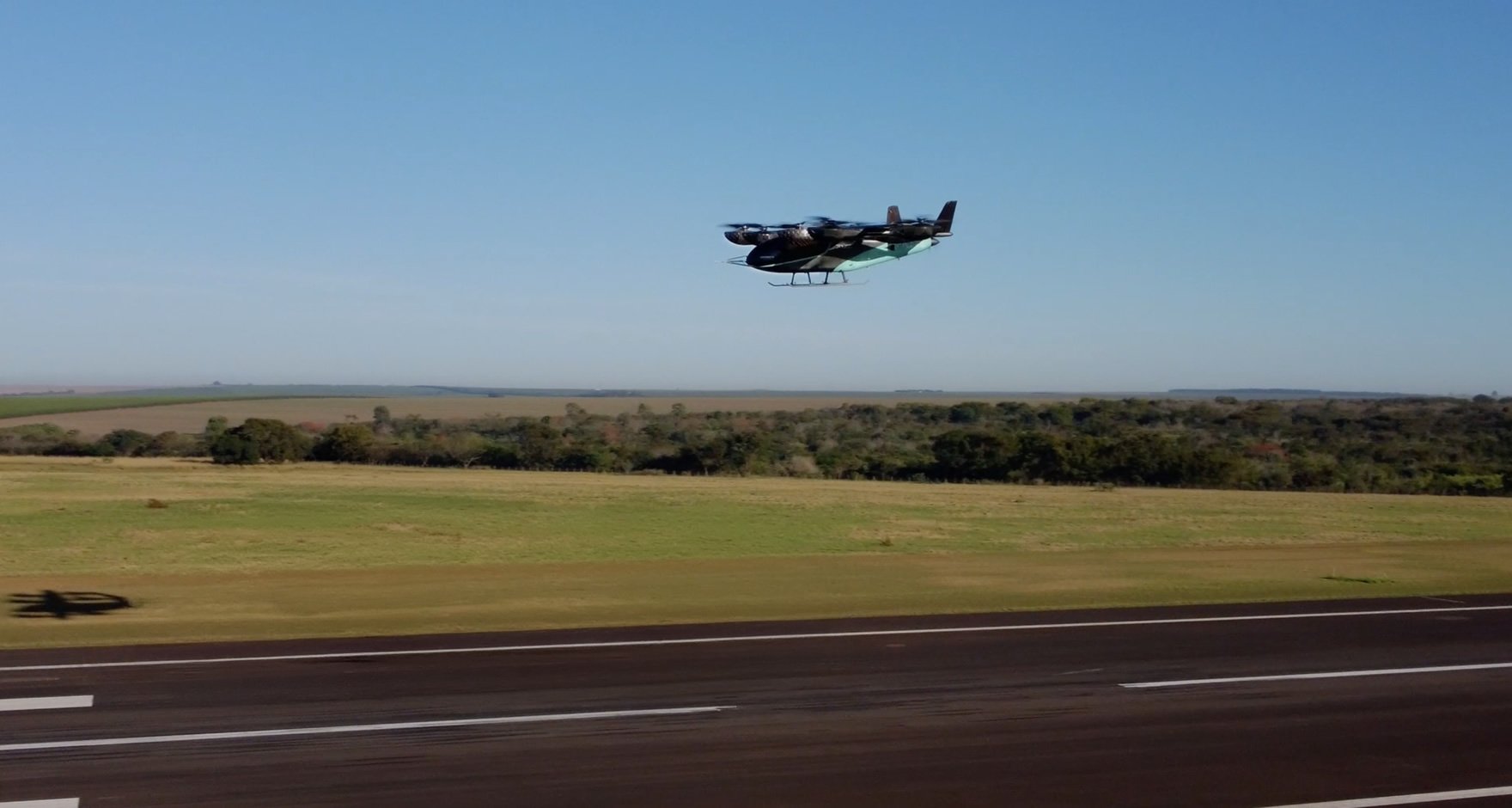
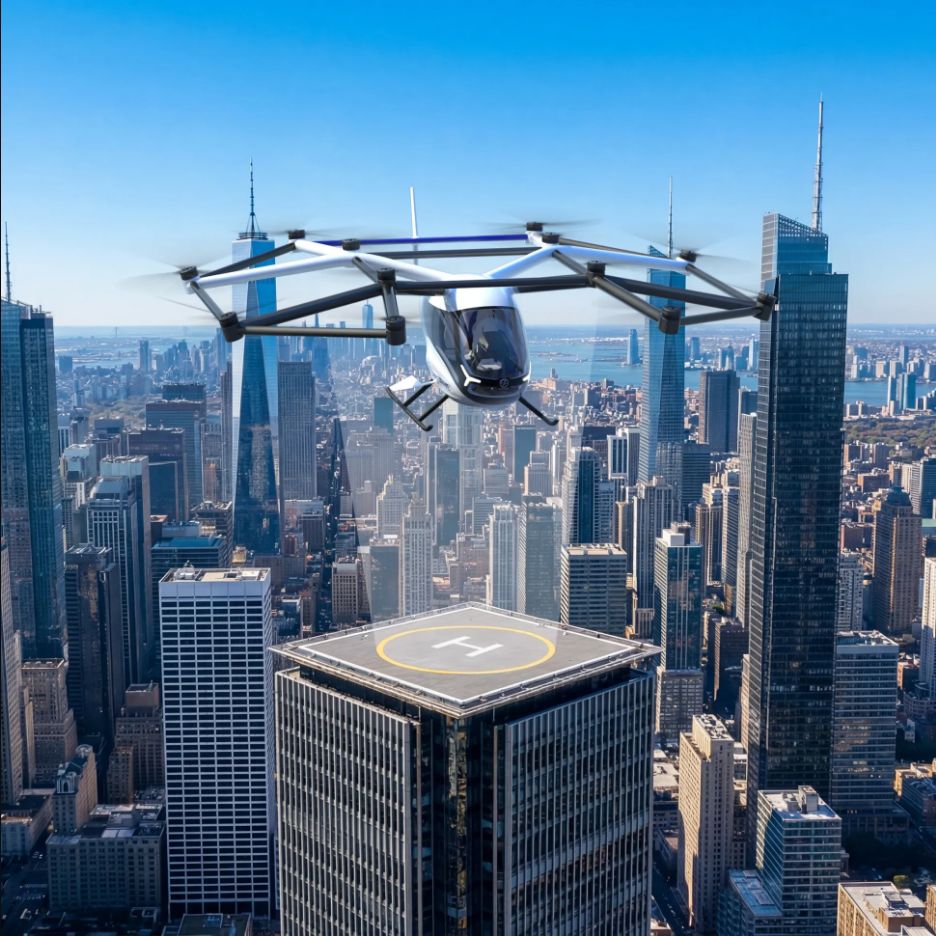
Image: Joby Aviation’s official photograph of its aircraft over Tampa on 29 October 2026, ahead of the 30 October eIPP launch. It is not a photograph of BETA’s CX300.
Reviewed developments appear here when available. Browse news coverage and the certification tracker for further evidence.