The CAA’s consultation reply recommends Powered Lift and Multicopter categories, with a 1,200 kg eligibility threshold for discretionary non-CMPA assessment. Legislative implementation remains ahead.
28 Oct 2026 — CAP3318 version date 1,200 kg — proposed common non-CMPA eligibility threshold 2028 — CAA framework objective, not a service guarantee
The proposed framework would determine how new VTOL designs enter maintenance, training and operational oversight.
Final legislation, compliance guidance and commencement dates.
The UK Civil Aviation Authority has published its response to consultation on legislation for new VTOL aircraft. CAP3318 is dated 28 October 2026 and describes the authority’s proposed direction across aircraft classification, continuing airworthiness, pilot licensing and operations.
The CAA recommends replacing its proposed Non-Conventional Helicopter category with Multicopter, alongside Powered Lift. The distinction follows whether forward-flight lift comes from rotors or non-rotating aerofoils, rather than whether an aircraft can make a controlled emergency landing.
Part B retains complex motor-powered aircraft (CMPA) treatment as the default. It proposes a common 1,200 kg maximum-takeoff-mass eligibility threshold for considering non-CMPA treatment of Powered Lift and Multicopter designs, replacing the earlier 600 kg threshold for Non-Conventional Helicopters.
Eligibility would initiate an application and risk assessment. It would not automatically exempt a lightweight aircraft. The CAA also proposes accommodating recreational training; other commercial flights would remain within the CMPA framework. Systems, failure modes, pilot competence, maintenance and third-party exposure would inform the assessment.
Part E proposes allowing powered-lift aircraft to use operating sites on a basis comparable to helicopters, subject to site selection and suitability. Downwash, obstacles and third-party risk still need consideration.
Its proposed energy-planning approach links final-reserve requirements to the intended landing mode: vertical landing or, where the aircraft is capable of it, a fully wing-borne landing. Operators would start with a basic scheme; more tailored schemes would require evidence and CAA approval.
The reply sets out policy proposals rather than enacted requirements. The CAA plans an opinion and instruction document, legislative action and further consultation on compliance material. Its end-of-2028 objective concerns the framework and operational systems; it does not guarantee commercial service by that date.
For developers and operators, the next decisive evidence is the final legal text, accompanying guidance and commencement arrangements. None of these consultation documents issues an aircraft Type Certificate.
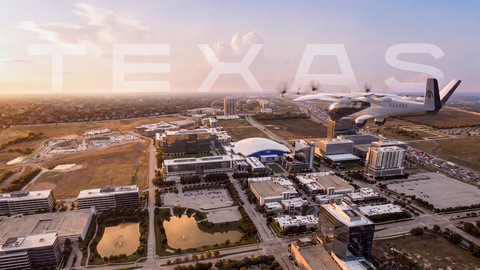
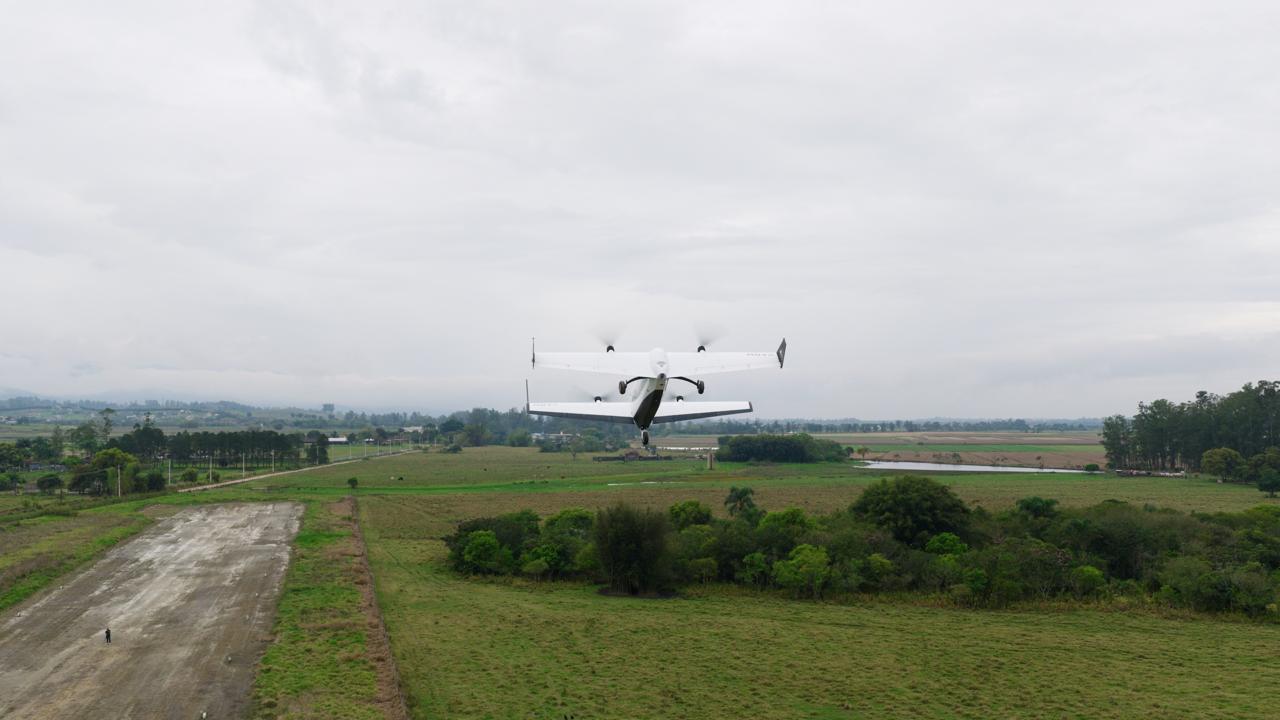
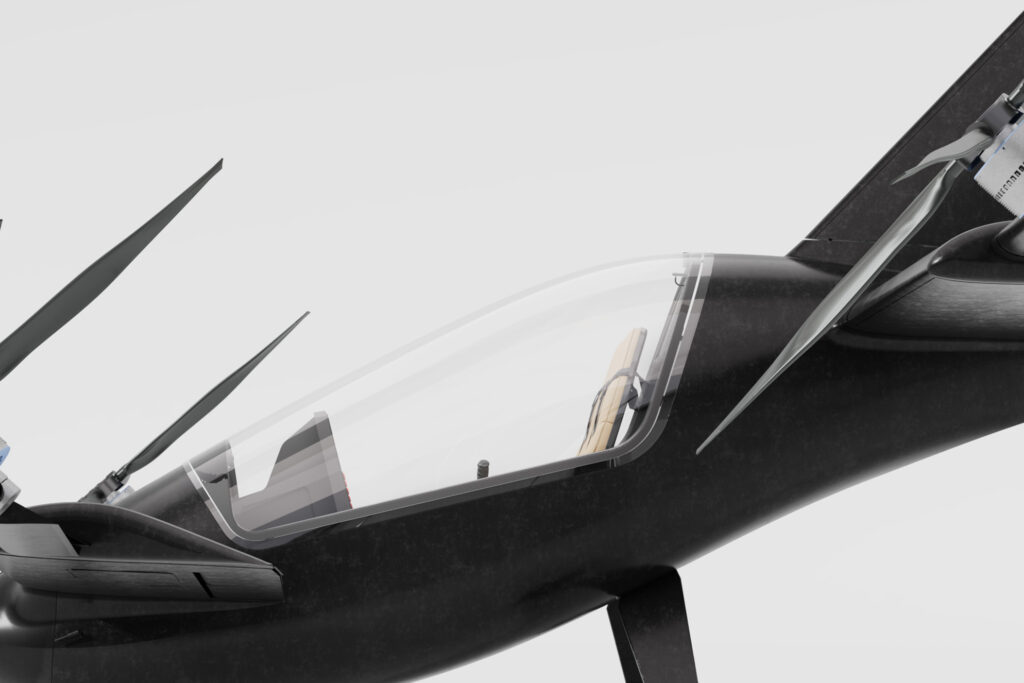
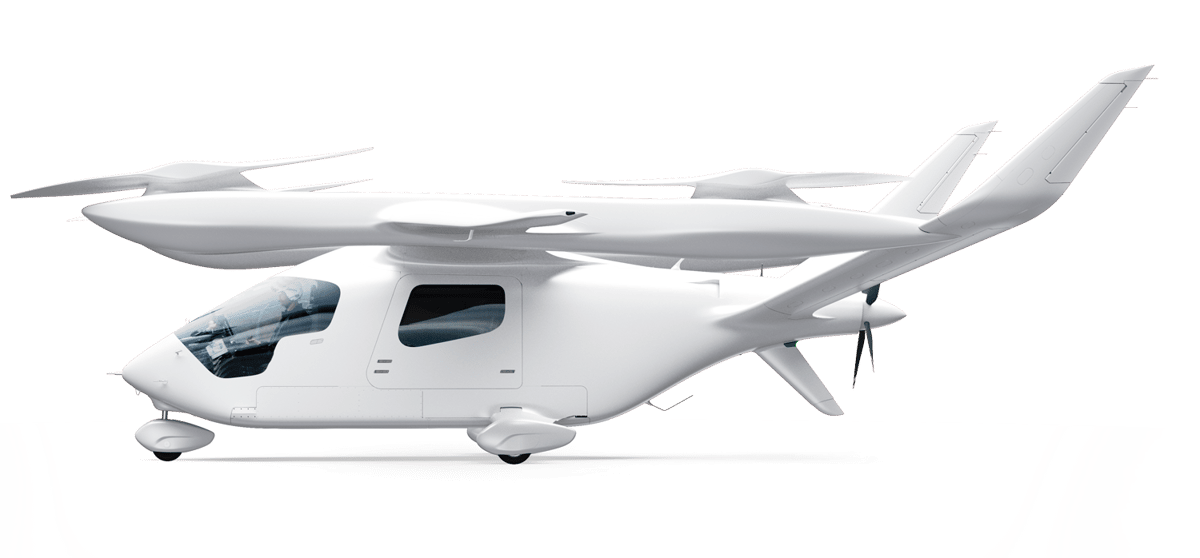
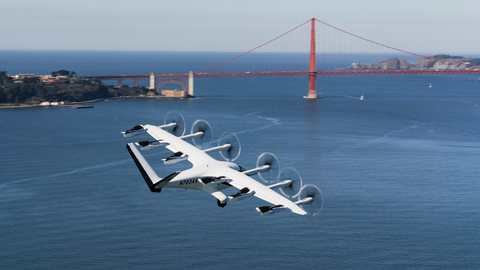
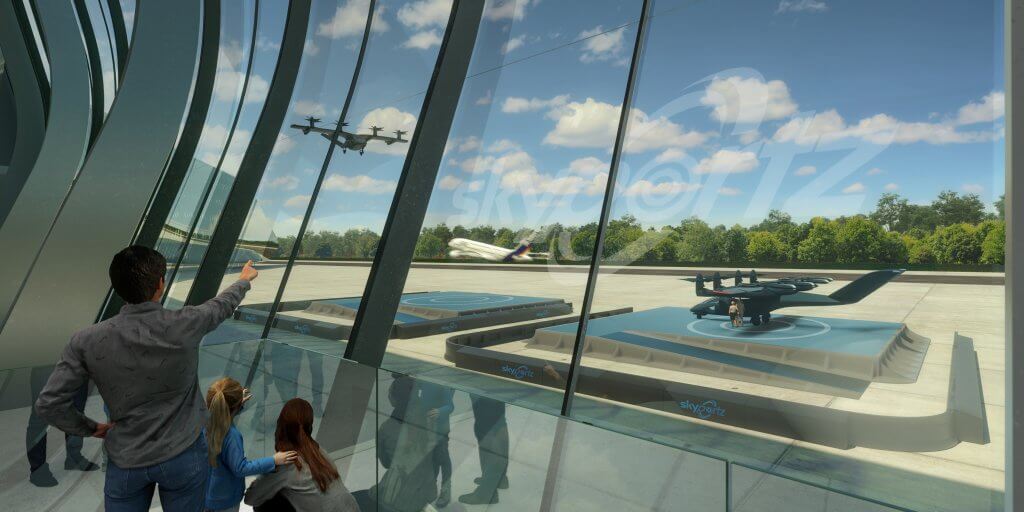
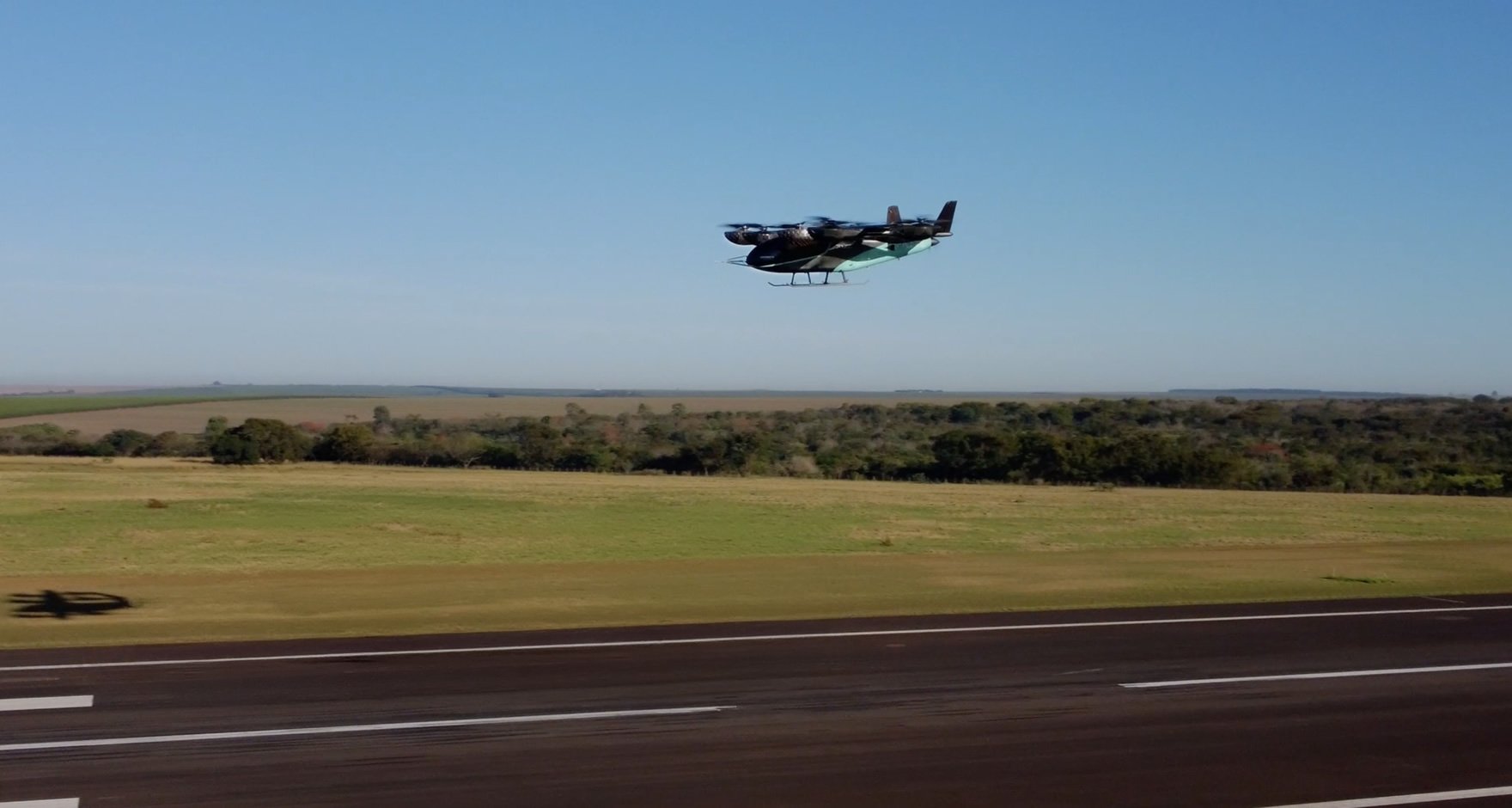
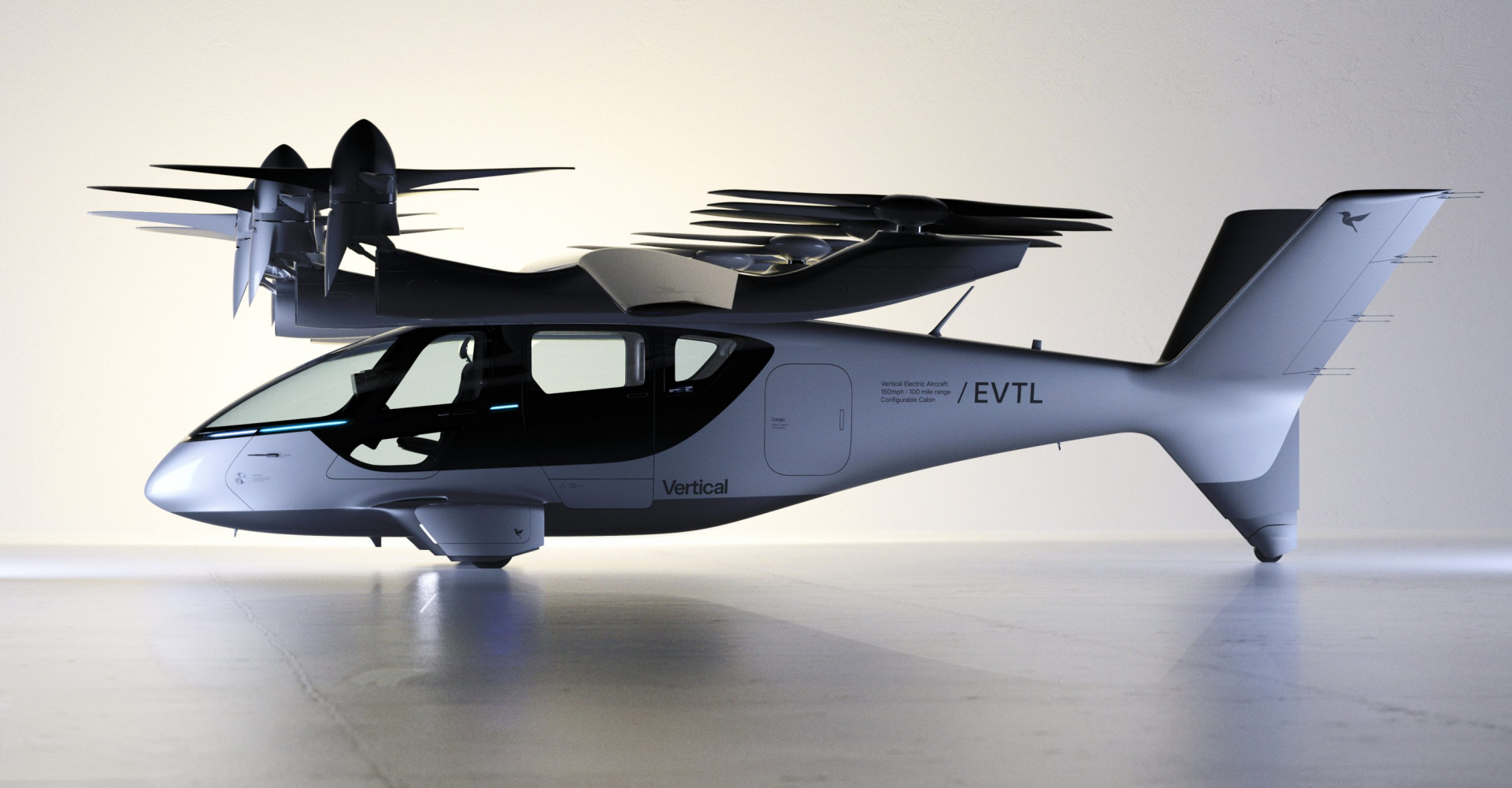
Illustrative image: Vertical Aerospace’s official Valo studio/show-model image. CAP3318 does not approve this aircraft; the image is not a photograph of a CAA certification event.
Reviewed developments appear here when available. Browse news coverage and the certification tracker for further evidence.