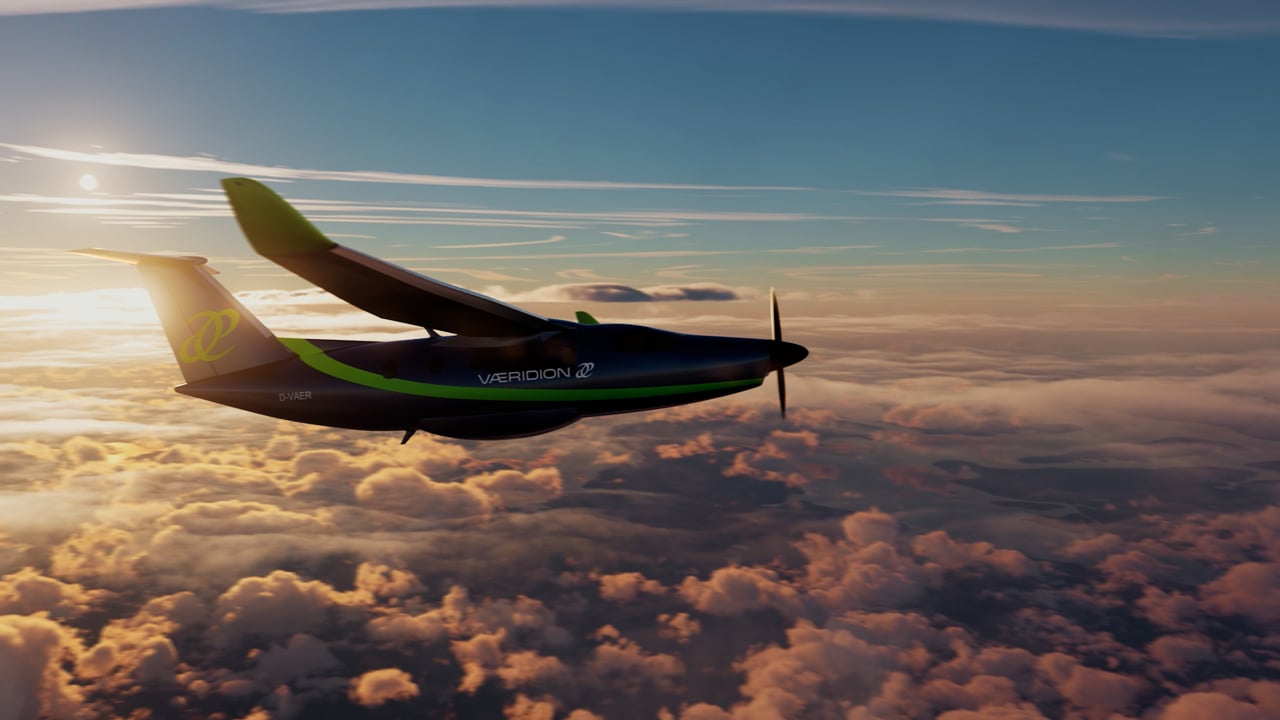
Conventional runway aircraft: two independent electric engines coupled to one centreline tractor propeller.
Propulsion Unit Count
2
Redundancy Approach
Manufacturer-described failure-decoupling clutch isolates a failed engine. One propeller and shared drive hardware remain common dependencies; system safety and compliance are not proven by motor count.
Range / Speed
Company targets: 400 km plus commercial IFR reserves; 190 KEAS / 235 KTAS at ceiling. Nine passengers plus two pilots.
Seat Count
9
Last Updated
October 5, 2026
Company reports PDR complete and two EASA pre-application contracts concluded. Drive hardware and full-scale ground-test integration remain development work; no aircraft first flight or issued Type Certificate was established in this review.
Mature drive and high-voltage systems through full-scale Copper Bird ground testing and Critical Design Review, then substantiate flightworthy hardware and first flight.
The Microliner is a clean-sheet battery-electric regional runway aircraft. VÆRIDION publishes nine passenger seats plus two pilots and an EASA CS-23 pathway. PropulsionWatch places it in Development, with pre-application certification work alongside design maturation.
Two independent electric engines drive a single centreline propeller. DSD’s scope includes drive hardware and a clutch intended to disconnect a failed engine. The company places modular batteries in the wing; the Explorer’s battery markers are conceptual volumes, not pack counts or installation drawings.
Published metric dimensions are 23.99 m span and 13.51 m length. Range, speed and MTOW are design targets; no certified performance is implied. Useful load is not normalised as payload because it includes more than passenger cargo.
VÆRIDION reported PDR completion in June 2026. Its July DSD announcement describes detailed design, manufacturing and testing toward full-scale Copper Bird integration. A second EASA PAC was reported complete in July for high-voltage storage, EWIS and distribution.
PAC activity aligns certification approaches before formal testing and compliance. It does not establish an issued Type Certificate or completed aircraft flight-test campaign.
The company targets regional passenger and freight missions and service by 2030. June announcements describe more than 100 new letters of intent; these are prospective commitments rather than deliveries or unconditional orders.
The shared propeller and drive mechanism need safety substantiation alongside independent engine lanes. Wing-integrated batteries couple energy storage with structural loading, thermal safety, maintenance and high-voltage routing. Remaining gates include integrated ground tests, design maturity, flight testing and formal regulatory compliance.
October 5, 2026