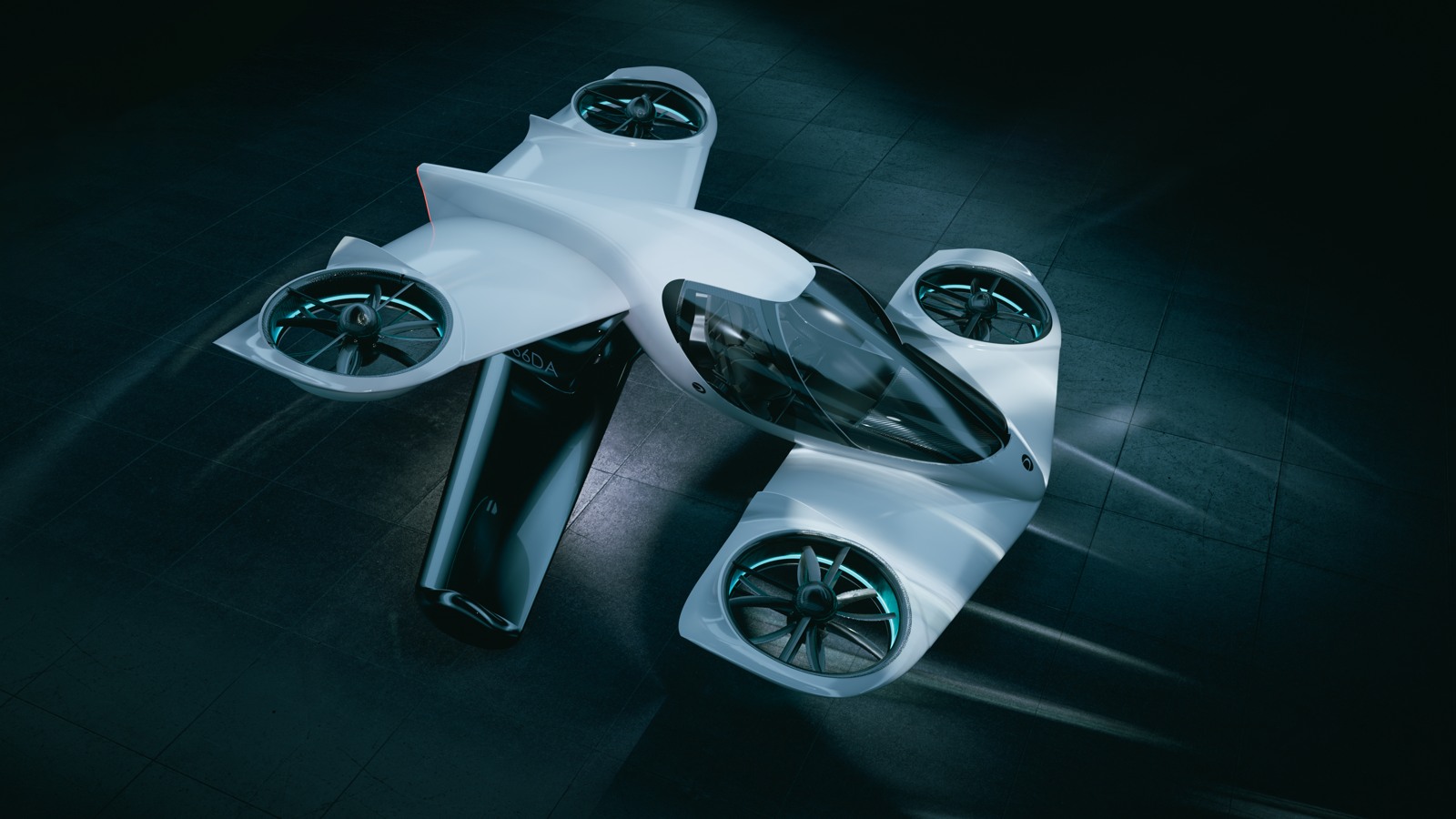
Two-seat tandem-wing concept with eight vertical and two horizontal ducted fans; planned battery-electric personal aircraft.
Propulsion Unit Count
10
Redundancy Approach
Public component counts do not establish electrical independence or validated degraded-flight capability.
Range / Speed
Company targets: 120 mph top speed, 100 miles point-to-point range and 25-minute fast charging; mission assumptions and approved limits remain unestablished.
Seat Count
2
Last Updated
October 27, 2026
Doroni's September 2026 TLG Aerospace partnership supports structural, aerodynamic and certification engineering for H1-X under a proposed MOSAIC route. The full-scale engineering model is separate from earlier H1 experimental flight evidence. H1-X approval is not established.
Complete configuration engineering and flight-test articles, substantiate the applicable Part 22 path and demonstrate aircraft compliance.
H1-X is Doroni's two-seat battery-electric personal aircraft concept. The current design combines tandem wings, enclosed lift fans and dedicated horizontal propulsion.
Image: Official Doroni H1-X concept image. The pictured design is separate from earlier H1 experimental flight articles.
The current manufacturer page lists eight vertical and two horizontal ducted fans. A digital co-pilot and a ballistic parachute are proposed features; their presence in a presentation does not establish validated flight-critical performance.
Range, speed, recharge and redundancy claims remain manufacturer targets subject to the final battery, cooling and aircraft configuration.
Doroni presented a full-scale H1-X engineering model in March 2026. Its September TLG partnership covers configuration design, loads, structural analysis, CFD, flight mechanics and certification data.
The website's earlier H1 test flights and experimental airworthiness milestone must not be read as H1-X approval. The TLG page carries a 28/29 September metadata/dateline discrepancy; the evidence is recorded at month precision.
The manufacturer targets personal ownership and initial deliveries in 2028. These are company plans. Aircraft eligibility, pilot privileges, land-use permissions and approved operations remain distinct requirements.
The immediate gates are engineering definition, physical test articles and compliance evidence. MOSAIC does not automatically approve the aircraft, its co-pilot system or unrestricted takeoff from residential sites.
Doroni — H1-X configuration and roadmap — reviewed 27 October 2026. Current concept has eight vertical and two horizontal ducted fans, two seats and company delivery target 2028. Earlier H1 flight/experimental certificate must not be transferred to H1-X.
Doroni — TLG Aerospace engineering and certification partnership — reviewed 27 October 2026. Page metadata says 28 September 2026 while release dateline says 29 September; exact publication date omitted. Structural, aerodynamic and certification planning for H1-X; no final aircraft approval.
FAA — Light-sport accepted consensus standards — reviewed 27 October 2026. FAA acceptance for statements/certificates on or after 24 July 2026, including F3840-26 powered-lift and referenced functional standards.
FAA — Powered-lift Part 22 accepted means of compliance — reviewed 27 October 2026. Official accepted-MOC table. F3840 title includes multicopters but FAA acceptance is for powered-lift. Simplified-flight-control declaration eligibility must follow the FAA's stated limitations.
October 27, 2026